










Losing more ground in the fight against climate change, humanity is heading for a hotter world than experts projected last year — and the United States is a big reason for that, a new United Nations report says.
If all the countries do what they promise to reduce heat-trapping emissions, Earth will likely still warm another 2.2 degrees Fahrenheit (1.2 degrees Celsius) above current temperatures, according to Wednesday’s update of climate calculations by the United Nations Environment Programme. That’s about two-tenths of a degree Fahrenheit (0.1 degrees Celsius) more than last year’s projections by the same science team.
“This is a worse outcome than expected last year, as a result of the formal withdrawal of the United States of America from the Paris Agreement and revised estimates of historical emissions,” the report said. The report also blames the United States for increased emissions last year, saying all the other top 20 major economies reduced their carbon pollution or at least slowed the growth in how much carbon dioxide was spewed from the burning of coal, oil and gas.
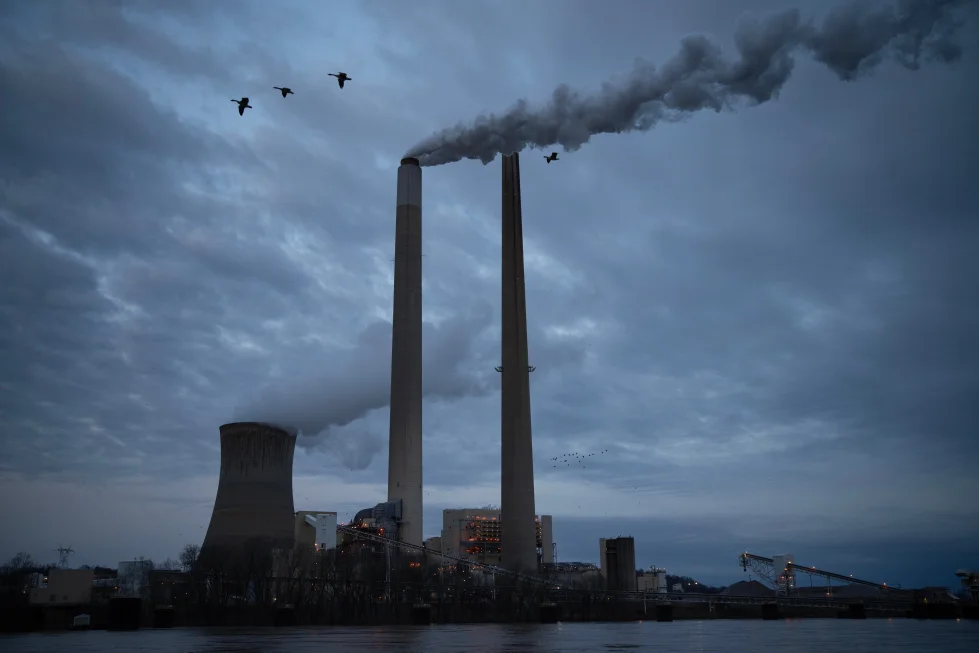
“In terms of magnitude, the increase in the United States of America (133 megatons of CO2 equivalent) far exceeded that of all other countries and was driven by increased electricity demand and a rebound of coal power generation,” the report said. The 124 countries that increased emissions — not counting the 63 that decreased like most European nations — added 189 million tonnes of carbon dioxide in 2025, and 70% of that increase came from the US, according to the report.
The United States is going “hell-for-leather trying to block renewables while actively promoting and subsidizing dirty coal — and its diplomacy is trying to make other countries also pull back on action. It is looking at the fire, denying there is a fire, and then pouring more petrol on it,” said Australian climate scientist Bill Hare, CEO of Climate Analytics that measures countries’ climate fighting plans. He wasn’t part of the UN report but like several other outside scientists said it was scientifically sound.

