










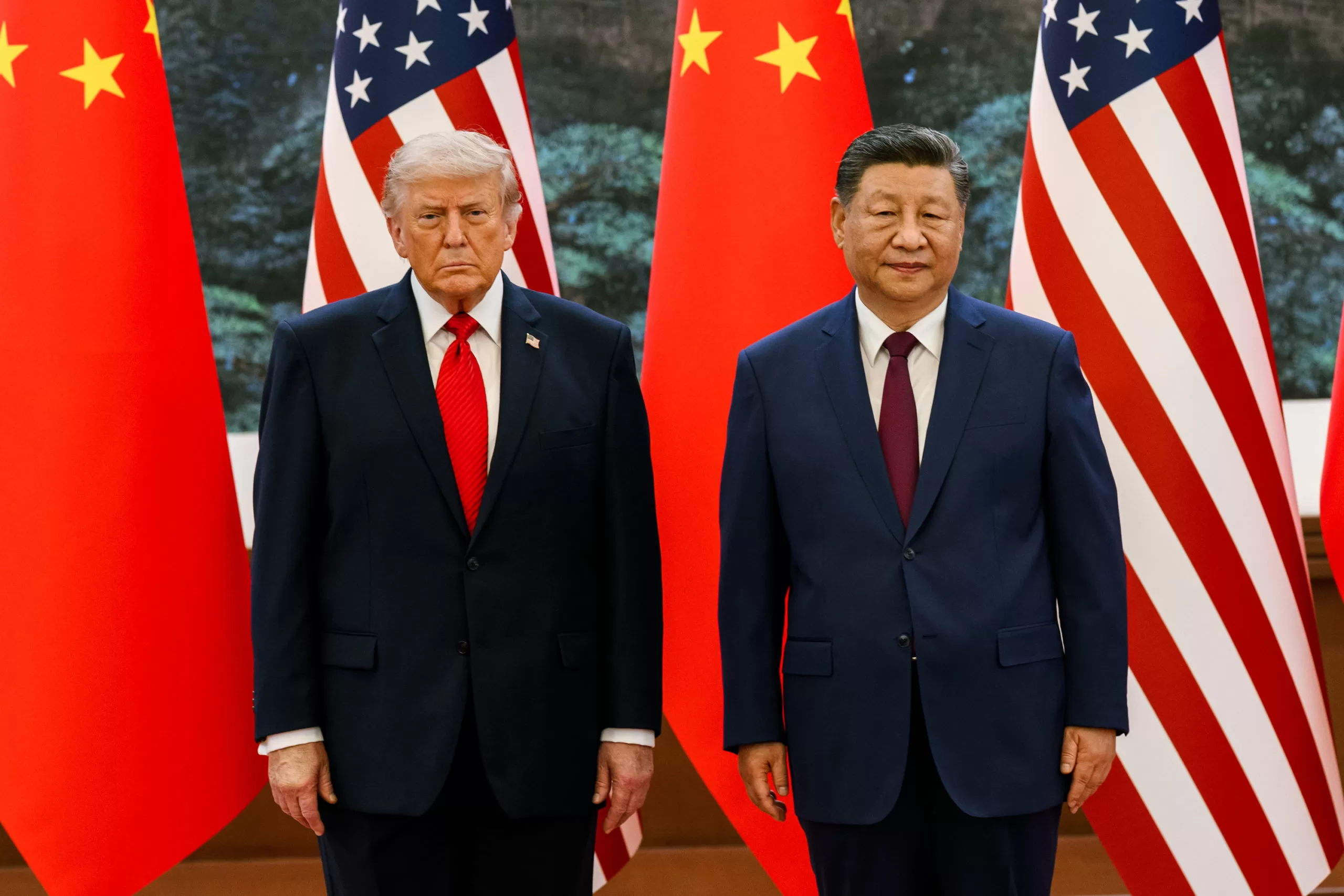
The US will remain reliant on China for rare earths well into the 2030s even as it rapidly builds its own mining and processing facilities, a stark imbalance facing President Donald Trump as he meets on Thursday with Chinese counterpart Xi Jinping.
Rare earths, which are among the 60 minerals considered critical by Washington, must be processed before they are turned into magnets and other materials used to make weapons, automobiles, computers and myriad other goods.
While US output of the two most-commonly used rare earths has more than tripled since Trump returned to office last year, the country can only meet 42% of its demand and within five years will still rely on imports for nearly a quarter of its demand, according to data from Benchmark Mineral Intelligence, a minerals consulting firm.
China, the world’s dominant rare earths miner and refiner, last year agreed to delay restrictions on exports until November 10.
A potential extension of those export delays is on the agenda for Xi and Trump when they meet in Washington. The White House had set its own January 2027 deadline to block imports of Chinese rare earths, a goal that will be all but impossible to meet.
“The goal isn’t for the US to replace China as the dominant global supplier,” said Coco Zhang, an analyst at ING.
“The more realistic objective is to build a meaningful alternative supply chain that can protect strategic sectors during periods of geopolitical disruption.
“Trump has made rare earths a national security priority since returning to office, pouring billions of dollars into MP Materials, USA Rare Earth, Energy Fuels and others in an attempt to loosen China’s grip.
While those investments have started to bear fruit, the country’s ongoing need for imports underscores Trump’s weak bargaining position with Xi and the broader complexity of creating a rare earths industry from scratch after the US all but abandoned the sector in the late 20th century.

