

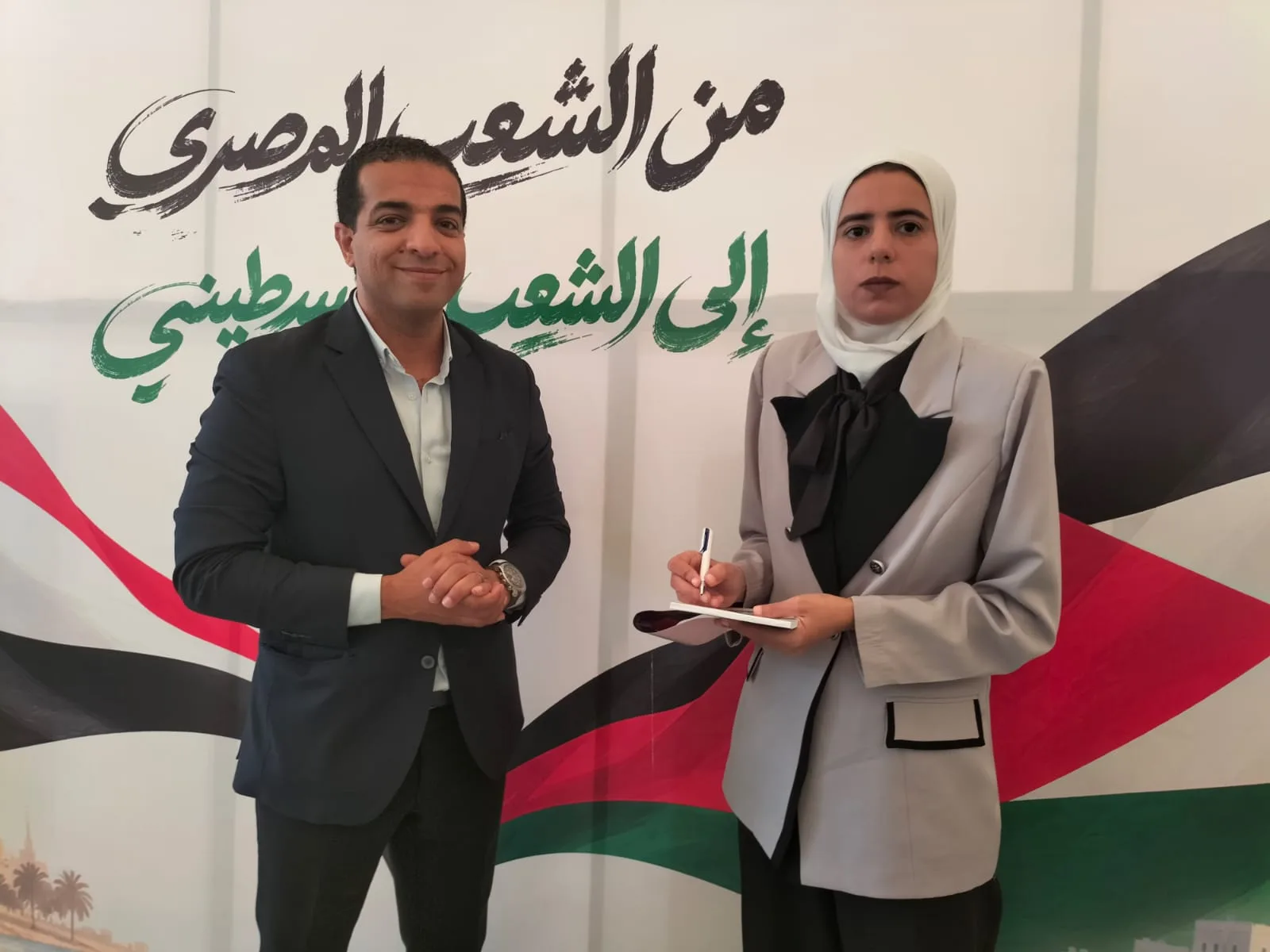



Ibrahim Negm
A quarter of a century has passed since two hijacked planes tore through the World Trade Centre and reshaped the moral and political architecture of our age.
This week, families in New York, Washington and Shanksville will read aloud the names of the 2,983 people killed that morning, observe seven moments of silence, and watch the Tribute in Light rise once more into the Manhattan sky.
For those of us writing from Cairo, the anniversary is not simply an American day of mourning. It is a moment to ask, honestly and without defensiveness, what the last twenty-five years have taught the world about violence, security and the faith that extremists tried to hijack alongside those aircraft.
The most consistent finding from a quarter-century of counterterrorism is also the most uncomfortable for policymakers who prefer decisive military solutions: Force alone does not end terrorism.
Foreign policy experts surveyed on this anniversary converge on a striking consensus — military and intelligence capabilities can eliminate individual terrorists, but they cannot eliminate the ideological, political and socioeconomic conditions that produce new ones.
Two costly wars, a global drone campaign, and trillions of dollars in security spending later, the honest verdict is that Afghanistan and Iraq demonstrated the limits, not the triumph, of hard power.
Multilateral co-operation, addressing governance failures, and a legally binding international definition of terrorism — something the world still lacks — matter more than another airstrike.
There is also a warning in this anniversary about what societies sacrifice when they trade liberty for the illusion of total security. Analysts now openly acknowledge that fundamental freedoms were trampled in the name of order across the post-9/11 world, and that this erosion did not deliver lasting stability.
Real security, the record shows, requires balance: Vigilance without permanent emergency, and co-operation without unilateralism that breeds fresh resentment.
No community has paid a longer, quieter price for that morning than ordinary Muslims, in America and far beyond it. The men who flew those planes invoked the language of my faith to justify mass murder, and in doing so, handed the world a distorted lens through which Islam itself would be viewed for a generation.
Twenty-five years on, American Muslims still describe feeling like perpetual suspects, even as they have built mosques, entered public office, and worked to correct the record their attackers wrote in blood.
Hate crimes against Muslims spiked more than sixteenfold in the year after the attacks, and discrimination — in workplaces, in schools, at airports — has never fully receded. Surveillance of mosques, travel bans, and the collapsing of “Muslim” and “terrorist” into a single category in public discourse were not merely policy failures; they were a second injustice layered atop the first, this one inflicted on over a billion people who had no part in the crime.
For Muslims and for Muslim-majority societies like Egypt, the honest response to this anniversary cannot be defensive silence, nor can it be collective apology for crimes we did not commit.
It must be the harder work of reclaiming religious authority from those who weaponised it – reasserting, through scholarship, education and public communication, that the classical Islamic tradition condemns the killing of innocents unequivocally, and that al-Qaeda’s theology was a rupture from that tradition, not an expression of it.
Genuine global security in the next twenty-five years will not come from more walls, watchlists or wars. It will come from serious investment in governance, development and interfaith understanding – the root causes neglected the first time around. As the names are read again this September 11, the truest tribute to those who died is not another cycle of suspicion, but the patient, unglamorous work of building the just and inclusive peace that violence, whoever commits it and in whatever name, has always tried to destroy.
By Ibrahim Negm
Senior Advisor to the Grand Mufti of Egypt

