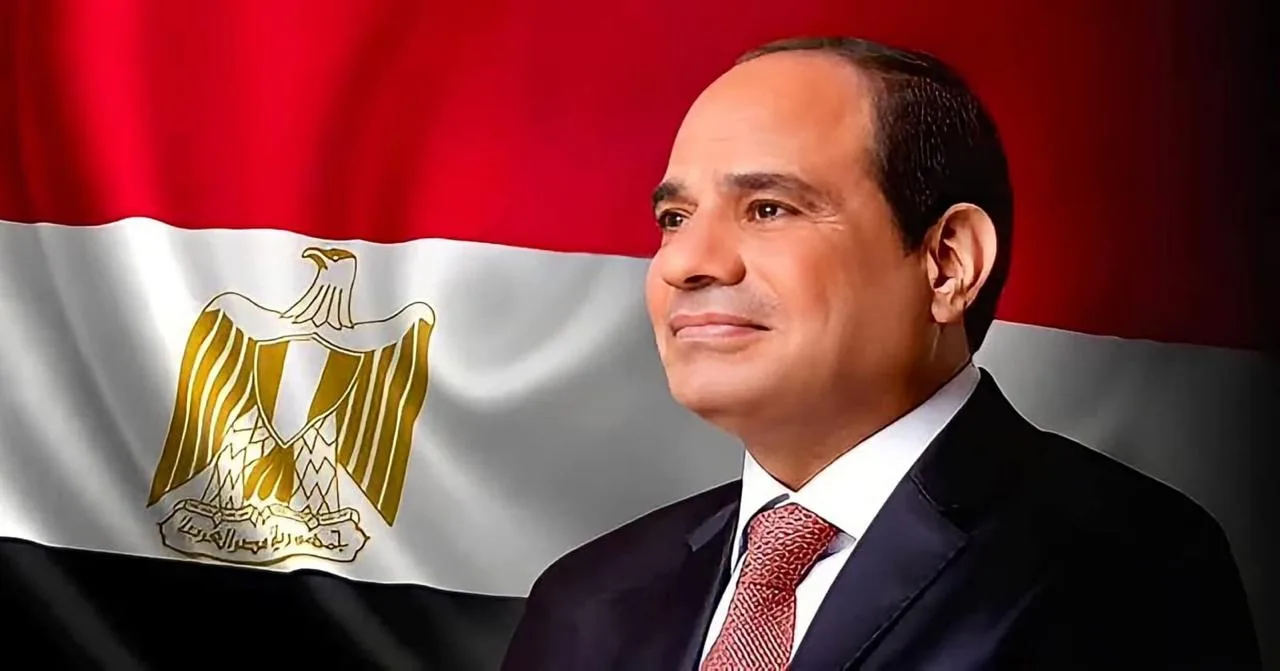





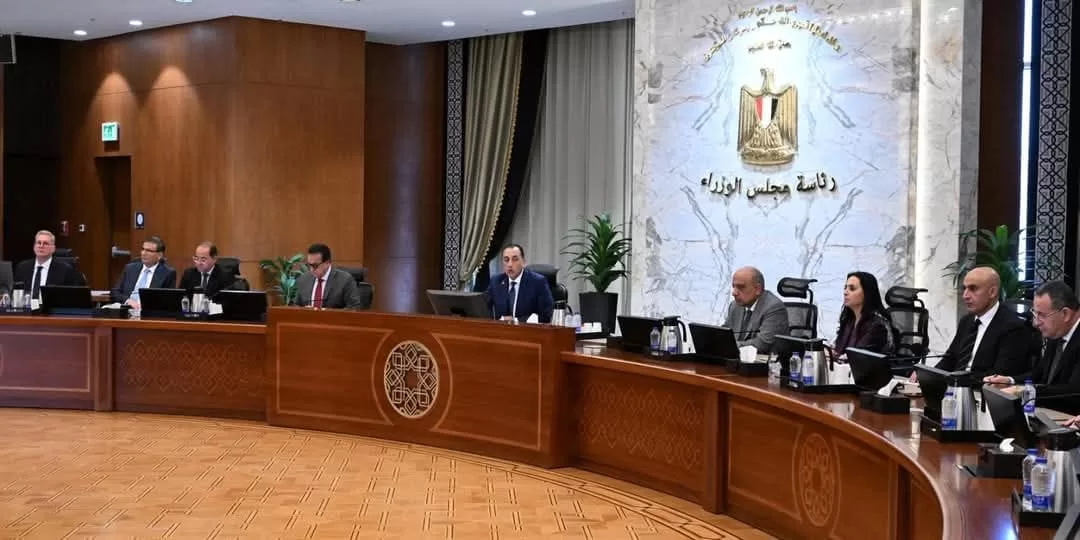
Egypt’s Prime Minister Mostafa Madbouly has stressed the government’s commitment to finalising the National Economic Transformation Programme in close coordination with the Central Bank of Egypt, describing it as an integrated framework for the country’s economic priorities in the coming phase, in implementation of the directives of President Abdel Fattah El-Sisi.
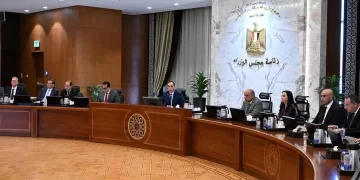
The meeting was attended by the ministers of Health and Population, Electricity and Renewable Energy, Finance, Social Solidarity, Agriculture and Land Reclamation, Education and Technical Education, Petroleum and Mineral Resources, Higher Education and Scientific Research and Acting Minister of Culture, Labour, Planning and Economic Development, and Industry, as well as the Deputy Minister of Finance for Fiscal Policies. The minister of Investment and Foreign Trade participated by video conference.
During the meeting, Madbouly said the programme aims to align economic, fiscal, monetary and sectoral policies, strengthen the economy’s capacity for sustainable growth and resilience, enhance productivity and competitiveness, and support sectors capable of creating jobs and increasing value added.
He noted that the government’s objectives extend beyond higher growth rates to translating macroeconomic stability into sustainable growth, stronger exports and improved living standards.
Particular emphasis will be placed on five sectors; namely industry, agriculture and food processing, tourism, information and communications technology (ICT), and energy security, with the expansion of private investment serving as a central priority.
For his part, Minister of Planning and Economic Development Ahmed Rostom presented the programme’s implementation status and proposed timetable.
He said recent months had focused on reviewing previous initiatives and programmes, consulting ministries and relevant entities on the programme’s pillars, and verifying detailed data following preparation of its initial draft.
The final drafting phase is now under way ahead of submission to the political leadership and its official launch.
Rostom said preparations included 11 meetings with relevant ministers and more than 34 technical meetings addressing economic structure, productivity, public finance, financing capacity, external indicators, global challenges, human capital, demographics and institutional reform.
The programme is based on strengthening stability and crisis resilience, empowering a productive and competitive private sector, creating jobs and improving quality of life. It also builds on the National Dialogue, the national narrative and structural reforms, while prioritising economic, sectoral and human-centred objectives.

