







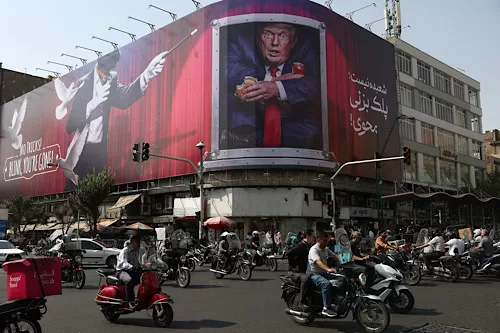
The US launched new air strikes on Iranian targets on Tuesday, in a move that threatened to reignite the six-month-old conflict that has driven global energy prices higher and weighed heavily on President Donald Trump’s popularity at home.
The strikes followed a weekend exchange of fire — the first since July — and after two tankers were hit on Monday leaving the Strait of Hormuz, the global oil supply waterway that Iran has effectively closed to shipping. Brent crude futures , already up 2 per cent on the day, jumped almost 2 per cent more on the reports.
Tehran remained defiant, warning that it would prevent oil being exported from the Gulf, despite a threat by Trump to hit Iran “hard” in response to the renewed Iranian strikes, and a warning from US Treasury Secretary Scott Bessent that Washington was about to impose new sanctions.
Trump has repeatedly vowed over the course of the conflict to unleash new attacks on Iran but has not always followed through. Bessent last week said he would significantly escalate economic sanctions against countries that do business with Iran, though Washington has not revealed specifics about that plan.
Neither threats of strikes nor new economic sanctions appear to have materially changed the position of Tehran, which has been under heavy economic sanctions for half a century.

