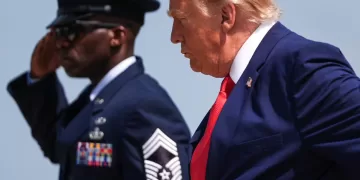








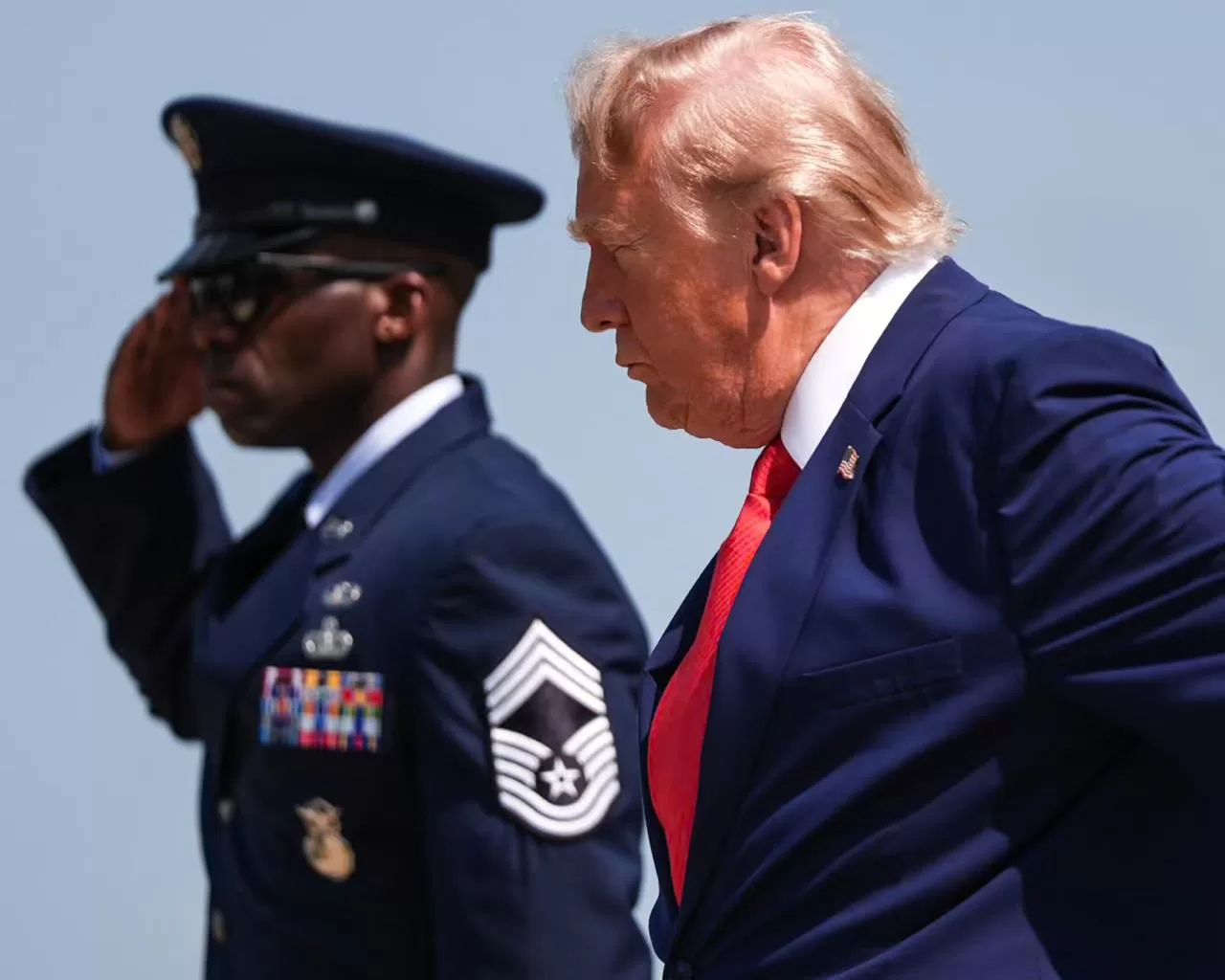
Donald Trump has said he is close to deciding whether to launch “a massive attack” against Iran, on a scale larger than strikes already witnessed during the months-long conflict with Tehran.
Speaking to the Axios news site, the US president said: “I am considering a massive attack. Bigger than ever before. I am close to making a decision. We are all set for it.”
Trump made his remarks on Thursday as oil prices once again surged past the symbolic $100 for a barrel of Brent crude, the international benchmark, and amid indications the price could go higher still.
He acknowledged that such a decision would have consequences but said he had not yet made a final determination. Israel “would join in two minutes if I ask them to”, he added, before saying: “We don’t need anybody.”
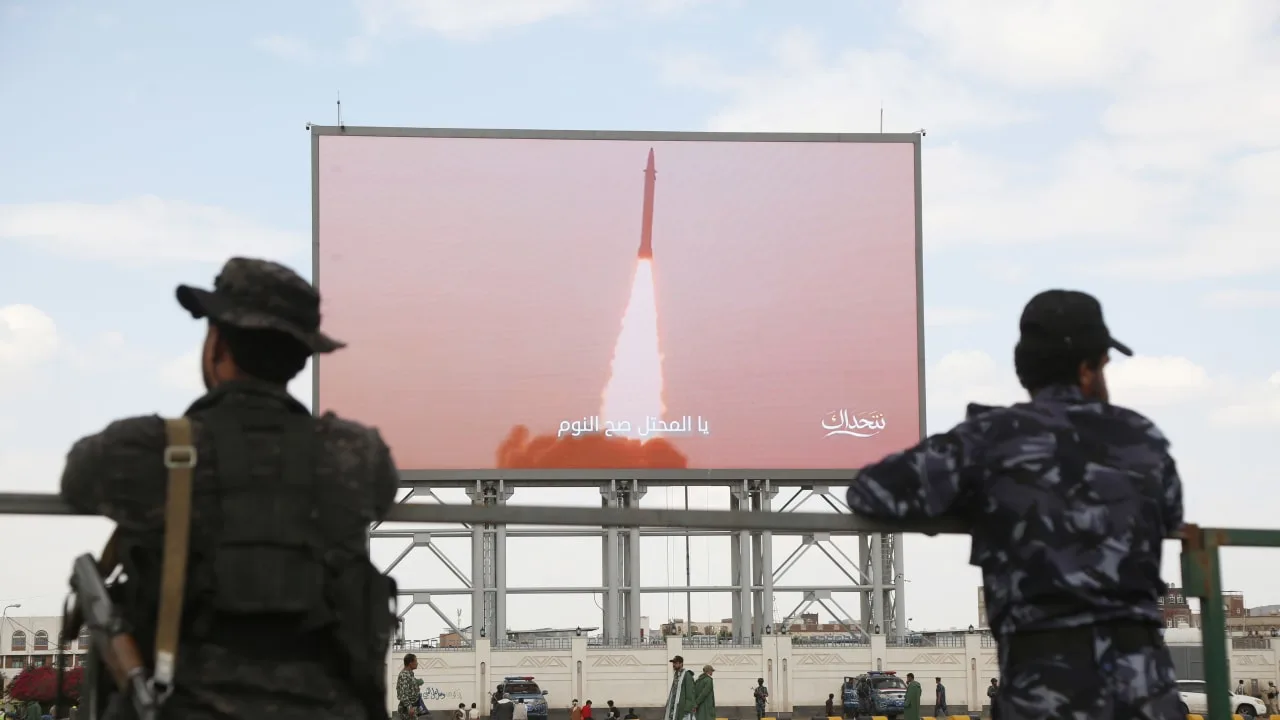
Trump’s comments followed the earlier threat of “major military punishment” against Iran and the Houthis, after the Iran-backed Yemeni militia’s attacks on two Saudi Arabian oil tankers in the Red Sea.
Underlining the sense of a region increasingly approaching an abyss, the UN secretary general, António Guterres, told the security council that the Middle East was being pushed to the “edge of the unimaginable” amid mounting fears over the trajectory of the conflict.
“The situation is getting out of control. It is teetering on the edge of the unimaginable. The region is being pulled into an ever-widening circle of confrontation. One crisis feeds another. One escalation triggers the next,” Guterres told a security council meeting.
“As this dynamic spreads, the political objectives are becoming increasingly obscured by the confrontation itself.”
The UK announced it was temporarily withdrawing diplomatic staff from Iran on Wednesday, and the German military announced on Thursday that it would withdraw two vessels from the Red Sea.
And as Israeli cities opened bomb shelters, the US state department warned Americans living in the region that flights may be cancelled.
In a separate development, Trump clarified on Thursday that an announced agreement that the US would help Saudi Arabia with its civilian nuclear programme would require the kingdom to normalise relations with Israel through the Abraham Accords, a move Saudi Arabia has long resisted until there is demonstrable movement on Palestinian rights and statehood.
It emerged later that Trump had not spoken to Saudi Arabia about the new condition.
The Houthi attacks threatened the safety of a second major maritime route connecting the Suez canal to the Red Sea and Gulf of Aden. They also came amid reports that Iran had sent military advisers and drone parts to the Houthis 10 days ago.
Quoting four sources, including two Iranians, Reuters reported on Thursday that Iran had transferred Islamic Revolutionary Guard Corps personnel and military-related equipment on a flight from Tehran to Yemen on 13 July, as Tehran was calling for the Houthis to blockade the Bab el-Mandeb strait.
Ships had begun turning back from sailing through the narrow strait this week after the Houthis announced a blockade of Saudi ports, most notably the Red Sea port of Yanbu, which Riyadh has been using to ship oil to Asia during the conflict that has all but halted shipping through the strait of Hormuz.

