










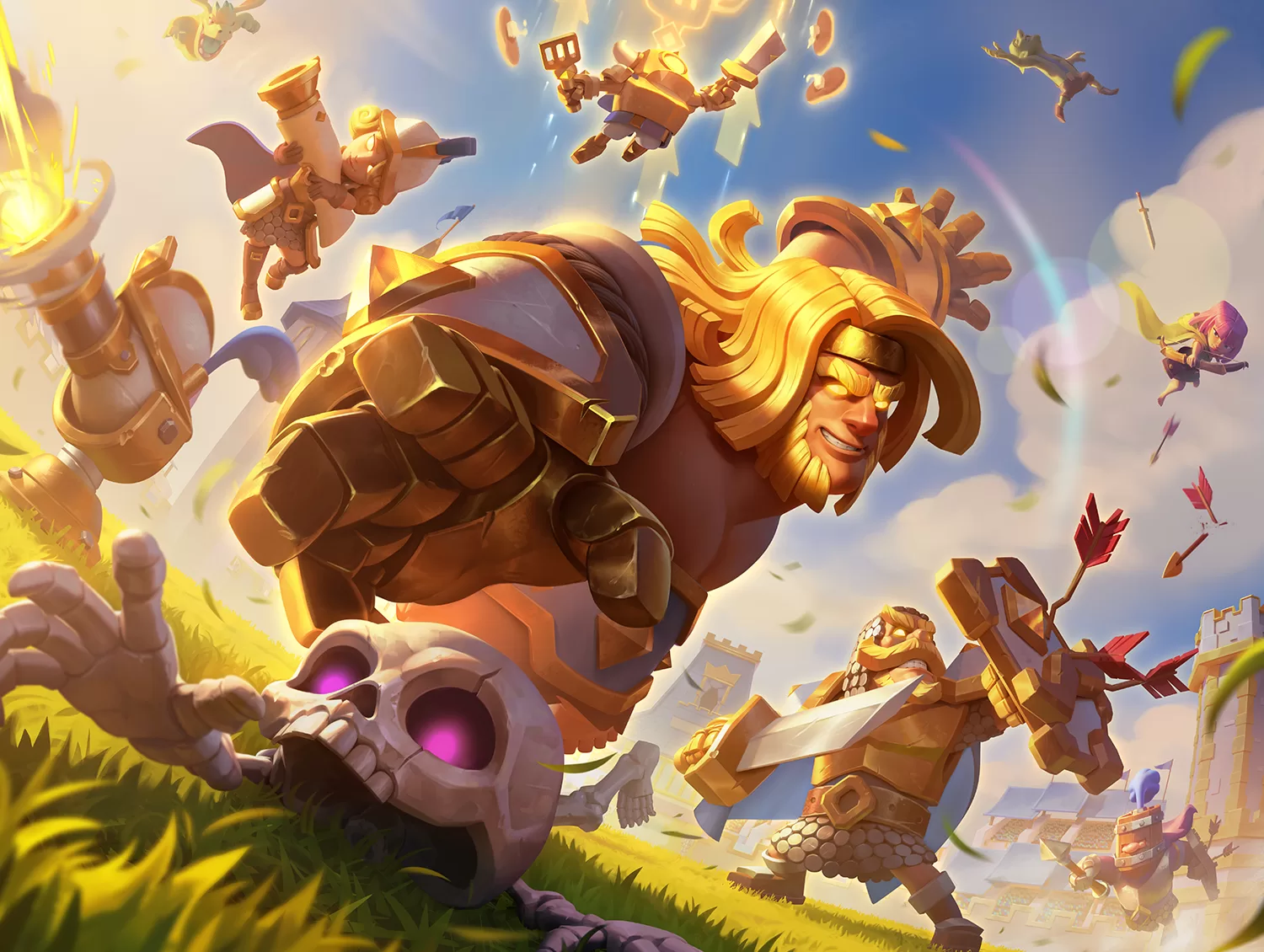
When Clash Royale is mentioned, many imagine fast-paced battles and card-level duels. But beneath its surface lies a world of mind-reading and a community that shapes its evolution. This article peels back those layers and shows why Clash Royale is more than just swipe-to-drop; it’s a living strategy ecosystem. Every few matches, players adapt. The more one plays, the more patterns appear. In exploring these patterns and cultural dynamics, this piece offers a fresh lens on Clash Royale.
The invisible chessboard: psychological layers in battles
At first sight, Clash Royale is a card and elixir game. In a real sense, it is a psychological struggle. A veteran player perceives the arena as a chessboard, and he or she foresees some of the moves. For instance:
- Bait and timing: A player may hold back a spell like Log or Zap, forcing the opponent to waste a counter early, then punish with a heavier card.
- Tempo control: Deploying troops not because they’re powerful, but to force the opponent’s hand and steal momentum.
- Psychological pressure: When the result is close, a slip or a drop that is delayed can be the difference.
These mental games without speaking cause every duel to be a question of patience, vision, and emotional control, and it is discovered that the duel is terminated long before the first card has been placed. These layers may demonstrate that Clash Royale is not only about powerful cards but also about the possibility of analyzing the opponent. Numerous gamers resort to the assistance of professionals who offer clash royale accounts like https://skycoach.gg/clash-royale-boost/accounts?preset_id=497 to enhance their competitiveness.
Meta flux: why decks rise and fall
Among the most engaging features of Clash Royale, the meta and tactics are constantly evolving. The winning deck today might be gone tomorrow.
Developers balance cards through buffs and nerfs to keep the arena unpredictable. RoyaleAPI tracks these shifts and regularly reports which cards are rising or falling. Community experiments also reshape the game: an overlooked combo in a tournament can spark a new meta within days. Seasonal events revive forgotten cards and inspire creative builds.
Because the meta evolves nonstop, successful players stay flexible. Those who rely on one comfort deck often struggle once balance changes hit.
Boosting: advancement or shortcut?
Boosting, or paying or requesting another person to play on your account to play faster, is one of the most discussed questions about Clash Royale.
Increasing may be of various types:
- Account login boosting (someone plays your matches)
- Duo boosting in 2v2
- Coaching mixed with play
While boosting gives quick results, it comes with risks, account bans, mismatched skill levels, and loss of personal progress. Many boosted players later find themselves stuck, unable to maintain their rank.

Still, boosting reflects a modern gaming truth: time is limited, and players seek to experience top-tier gameplay without endless grind. The divide between those who climb through effort and those who pay for progress remains a defining tension.
Community and culture: more than matches
Competition is not the only thing that makes Clash Royale successful:
- Clans: They are not just donation centers, but also strategic groups and amiable tussle zones.
- Content creators: YouTube and sites like ImmortalBoost share deck guides and challenge breakdowns.
- Tournaments: Community events and The Clash Royale League will give the game long-term esports credibility.
- Memes and lore: The community is adding jokes and creativity, theories about the origins of cards.
Clash Royale is not only a game to many people but also a language. Balance changes are discussed and bemoaned by players as they make the game what it is.
The ethics and future of fair play
Fairness is a constant challenge. Boosting and uneven matchmaking often spark debate.
- Account equity: Facing overpowered, boosted opponents frustrates casual players.
- Detection: The game relies on reports and behavioral patterns to flag suspicious accounts.
- Future fixes: Developers may introduce verified coaching systems or flexible ranking models to reduce the appeal of illicit boosting.
- Community respect: Authentic growth still earns the most admiration.
Fair play keeps Clash Royale’s competitive spirit alive. The game’s balance depends not only on mechanics but trust among its players.
Advice for aspiring players
To enjoy Clash Royale and improve naturally:
- Master fundamentals: Timing and knowing counters matter more than rare cards.
- Follow meta updates: Track trends on RoyaleAPI to keep decks relevant.
- Practice smart: Use clan wars and friendly battles to test strategies safely.
- Study pros: Watching top matches reveals elixir management and comeback tactics.
- Set steady goals: Aim for consistency rather than chasing the highest trophies.
Small, steady progress leads to mastery without shortcuts.
Final say
Clash Royale is not just a phone card battle game but a game of living mind that runs on psychology and community. Growth is in strategy and creativity, and boosting can provide shortcuts. Those who climb by learning patterns and adjusting to the meta often find deeper satisfaction than those who buy progress.
Every match tells a story of risk and clever prediction. And that’s what keeps Clash Royale not just alive, but endlessly fascinating.

