





The resignation of the information minister and initiatives by the French president were not enough to break the ice in the Saudi-Lebanese relations. At the same time, the dominance of Hizbollah of the Lebanese political scene remains a stumbling block in Lebanese foreign relations.
For many analysts, Saudi rage over comments by Lebanon’s Information Minister George Kordahi on the war in Yemen was just a pretext to vent their anger with the increased influence of the Iran-backed Hizbollah.
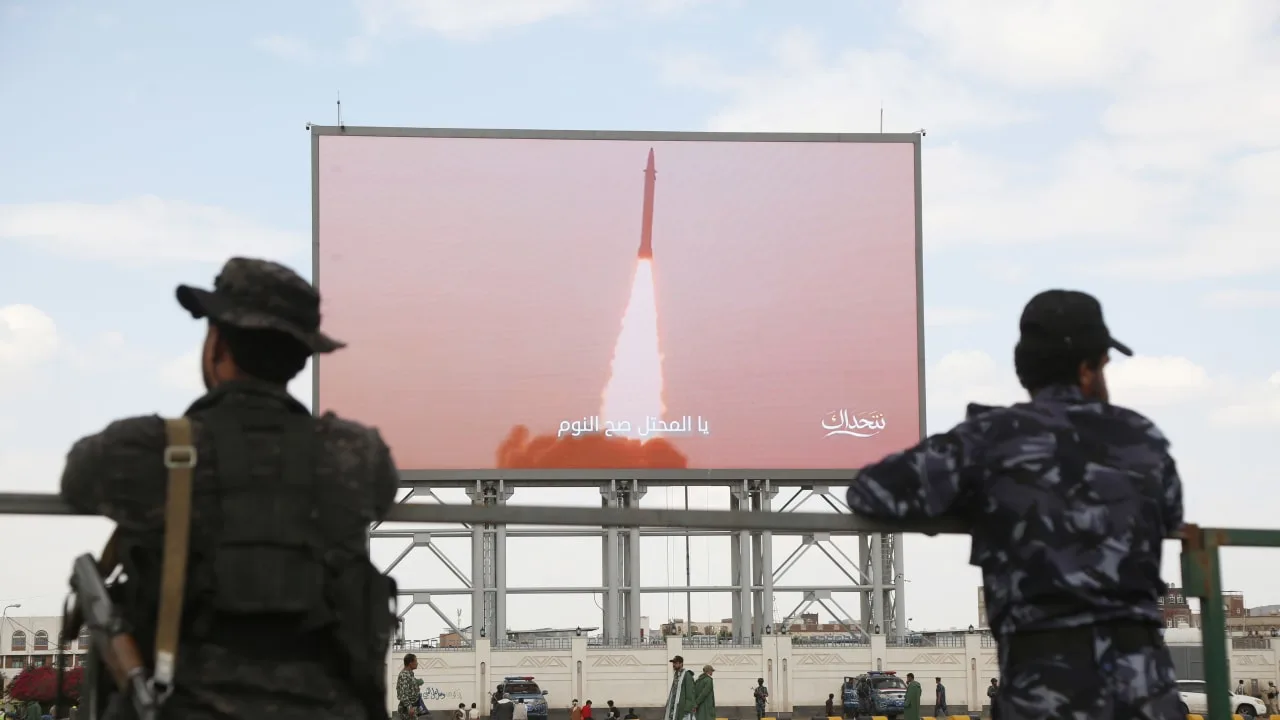
During a mock parliament streamed online days after the nomination of Kordahi as information minister, he fielded questions from an audience of young people from the region. In one answer, he called the war in Yemen “absurd” and said the Iran-backed Houthi rebels had attacked no one and had the right to defend themselves.
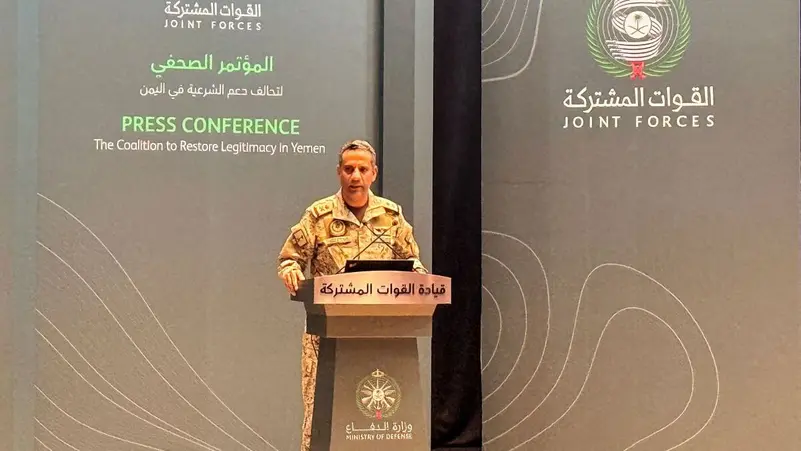
Although the online programme was recorded about a month before Kordahi’s nomination, Saudi Arabia responded with punitive measures that included recalling its ambassador and expelling the Lebanese envoy. It also banned all imports from Lebanon, which is experiencing its worst economic crisis in decades, while other Gulf countries followed suit in recalling their diplomats from Beirut.
In his statements after his resignation, Kordahi, a TV host-turned-politician, said he was putting the country before personal interest to help end a diplomatic row with Saudi Arabia that was brought on by his comments.
Kordahi, who was named by a mainly Christian party allied to Hizbollah, said he had quit before Emmanuel Macron’s visit to Saudi Arabia in the hope that the French president would help lighten the crisis triggered by his critical remarks.
During his visit to Saudi Arabia, Macron announced that the Saudis agreed to do more to help the Lebanese people and to resolve a diplomatic row between Beirut and the Gulf states, and jointly push to have Lebanese government up and running.
However, a French proposal to have Lebanese Prime Minister Najib Mikati visit Jeddah for a three-way meeting with Macron and Prince Mohammed was rejected.
A joint Saudi-French statement said they agreed to a “joint-mechanism” for transferring humanitarian aid to Lebanon, as well as the need to restrict weapons to legitimate state institutions, which can be understood as a veiled reference to Hizbollah.
Still, no one can expect a breakthrough in the Lebanese-Saudi relations after the resignation of Kordahi as the reason for the Saudi frustration is still there. The Kordahi standoff was not the first as Riyadh had already banned the Lebanese fruit and vegetable imports to the kingdom due to drug smuggling. The ban on Lebanese imports is a major blow to a country, whose main trading partners are in the Arab Gulf. The ban also deals a body-blow to Mikati’s new government as it struggles to take Lebanon out of a devastating economic crisis.
The Saudis think it pointless to deal with the government in Beirut after so much drift toward Iran. In its struggle to push back Hizbollah, Riyadh’s strongest weapon is the economy. However, piling pressure on the Lebanese economy, which is already on the brink of collapse, can even bring more problems to both countries.
Still, the biggest Lebanese dilemma is the sectarian division, where one sect carries weapons and serves another country’s agenda.


Discussion about this post