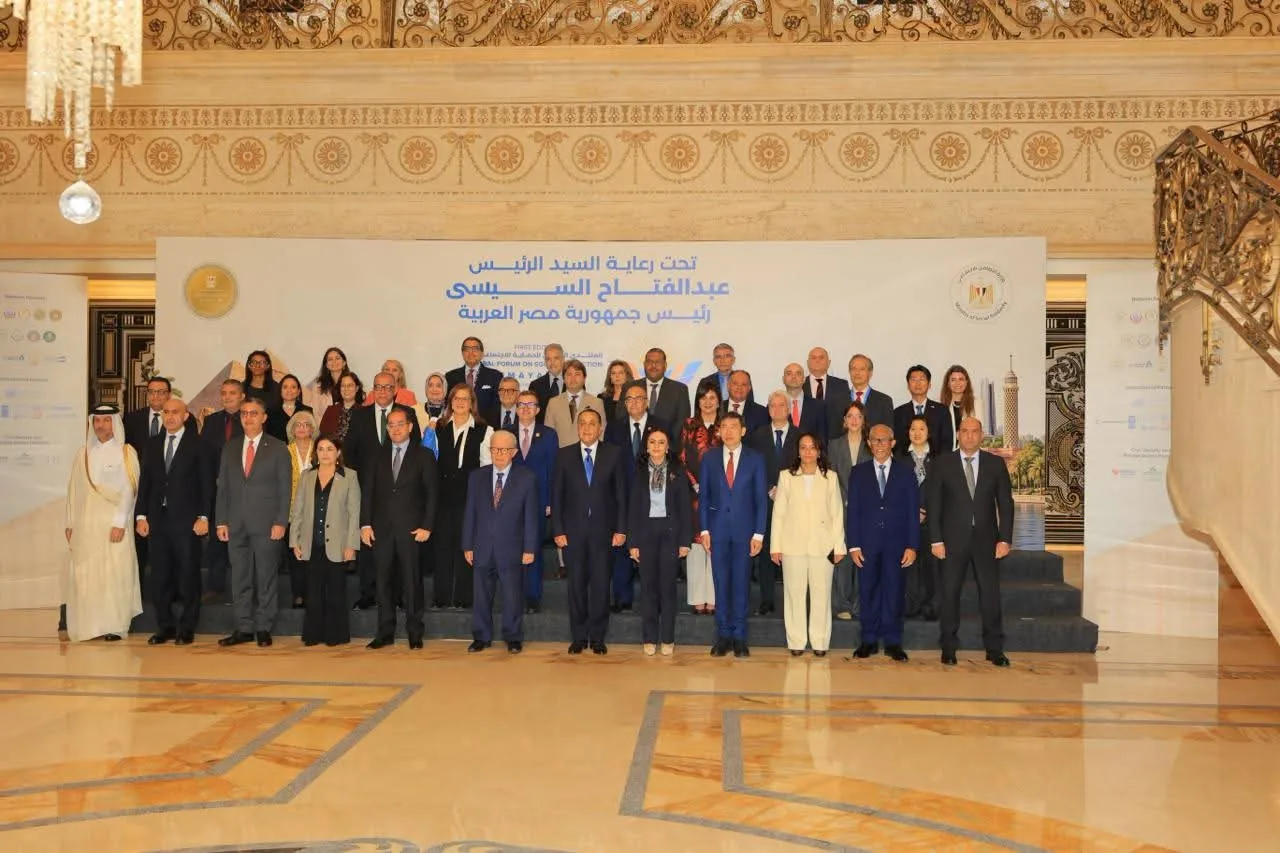









Egypt highlighted its social protection efforts during the first edition of the International Social Protection Forum which was held in New Capital last week.
Held under the title, “Social Protection in a Changing World”, the forum, organised by the ministries of Foreign Affairs, and Social Solidarity, brought together around 400 regional and global partners.
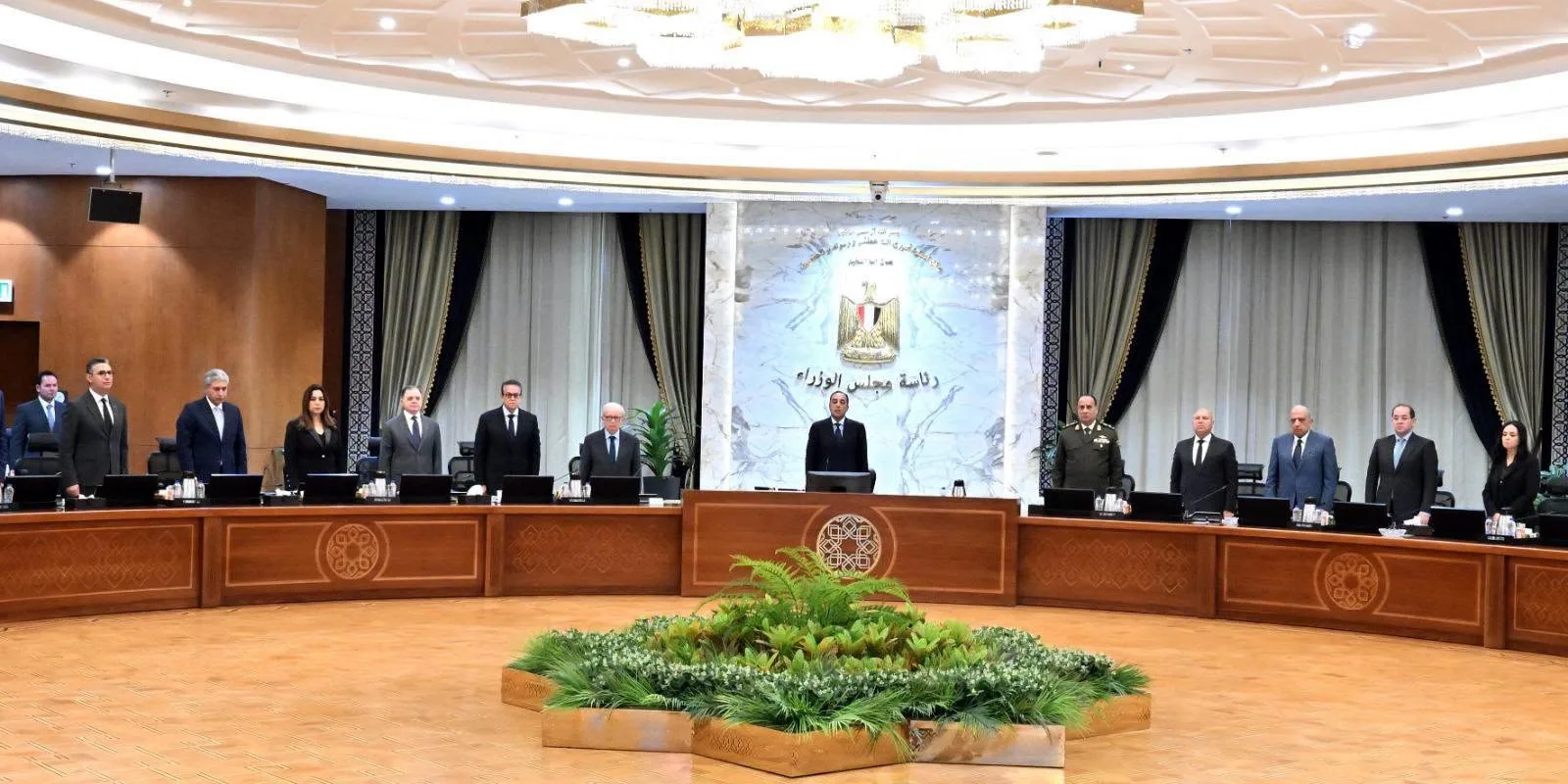
“Rapid economic, social and technological changes have intensified the challenges facing societies and reviving questions about justice, fairness and the right to a dignified life,” Prime Minister Mostafa Madbouly said.
Social protection systems, he added, should mitigate poverty and economic risks, while addressing the conditions that leave people vulnerable.
He noted that Egypt’s development strategy over the past few years linked infrastructure development and institutional reform with investment in health and education, stronger social protection, and wider economic opportunities.
Economic reforms, he added, must go hand in hand with measures that protect those most in need, help them withstand shocks and give them a greater role in development.
The International Social Protection Forum aimed to develop integrated social protection systems and discuss sustainable financing and effective governance.
It also aimed to advance digital transformation and the use of technology in service delivery and support a gradual transition from protection to production.
Observers called for assessing local social protection programmes based on measurable improvements, including reduced poverty, better food security, higher school enrolment and wider access to healthcare.
Leading economist Rashad Abdo underscored the importance of raising income and launching protection programmes for relieving economic pressures on middle- and low-income individuals.
“These improvements cannot, however, happen unless they are accompanied by tighter market regulation, higher productivity and broader social insurance coverage,” Professor Abdo The Egyptian Gazette.
“The success of social protection systems should be based on their ability to help families move away from reliance on state assistance towards securing stable sources of income,” he added.
He called for building societies that protect people’s dignity during crises and help them participate in the economy and earn a living.
Nevertheless, Foreign Minister Badr Abdelatty highlighted during the forum the highly complex crises facing governments, particularly in developing countries, where economic hardships overlap with rising geopolitical tensions and expanding armed conflicts.
These developments, he said, have disrupted supply chains, driven up food and energy costs, increased debt burdens and placed additional strains on national resources, putting mounting pressure on the fiscal space available for social spending.
The foreign minister called for stronger dialogue with international financial institutions, development banks, think-tanks and research centres to find innovative, sustainable funding solutions for social protection programmes.
He also called for helping developing countries to secure the necessary resources to implement these programmes without placing additional burdens on their economies.
Meanwhile, financial markets expert Hanan Ramsis urged a change in perspective as far as social protection is concerned.
This protection, she said, should be viewed as an investment in human capital rather than a financial burden on the state.
“Training needs to be linked to productive financing and employment opportunities, while ensuring that training programmes are aligned with labour market needs, particularly for young people in rural areas,” Ramsis told this newspaper.
She cautioned against terminating assistance before beneficiaries are economically and financially independent.
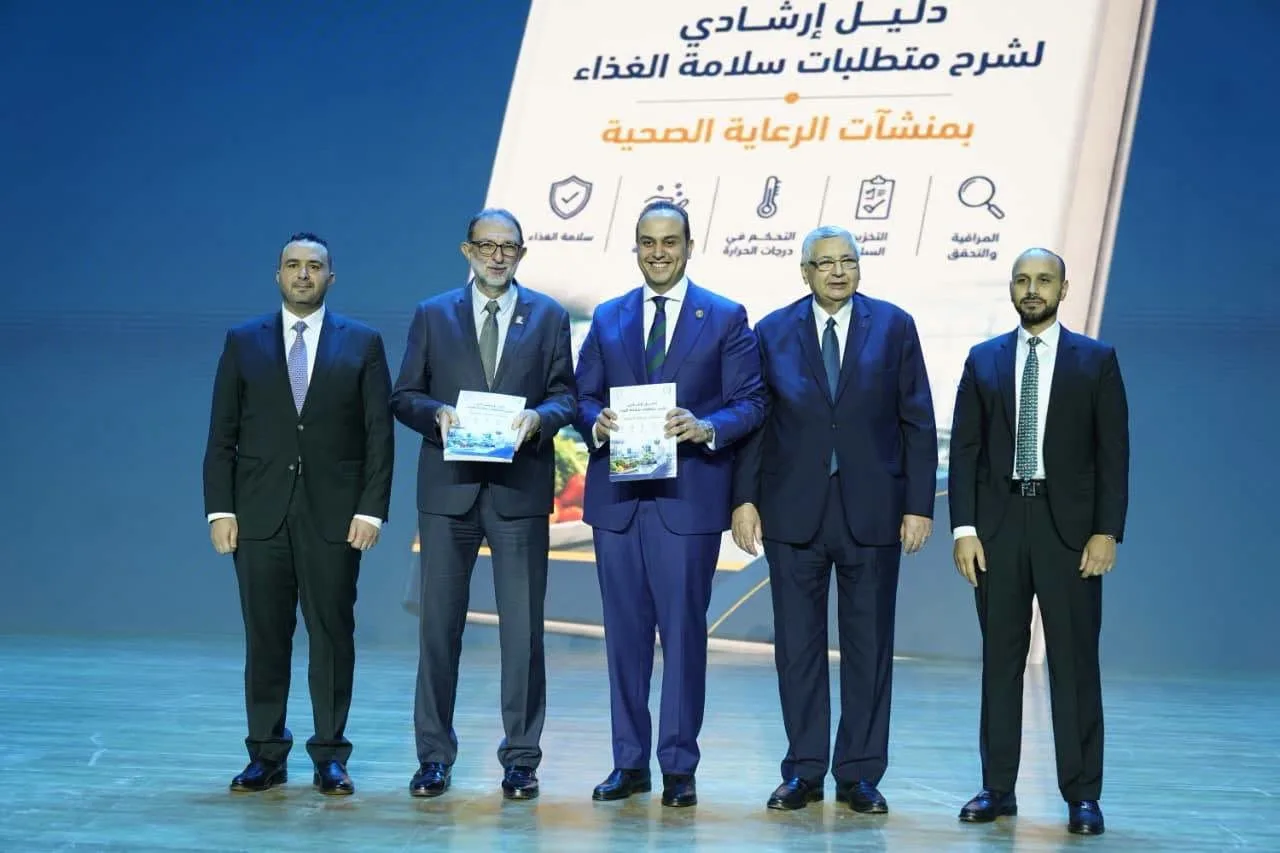
Social Solidarity Minister Maya Morsy launched Egypt’s National Social Protection Framework report during the two-day forum which ended on Tuesday.
The framework aims to ensure that eligible households can access assistance when needed and help families improve their incomes through training and employment.
Success, Minister Morsy said, should be measured by the number of families that escape poverty with dignity and achieve financial independence.
The report outlines 16 areas for reform under five strategic priorities, including protection at every stage of life, better economic opportunities and higher incomes, and the inclusion of vulnerable groups.
They also cover crisis preparedness, inter-agency coordination, digital services, stronger governance and sustainable financing.
The framework brings together 45 core and supplementary programmes under four categories, namely conditional assistance, unconditional assistance, social services and labour market policies.
It classifies these programmes according to international standards and outlines each programme to help government agencies coordinate their efforts and meet people’s needs at every stage of life.
“The reforms place particular emphasis on women’s economic empowerment and the needs of people with disabilities,” Minister Morsy said.
“Social protection is a shared responsibility across all ministries,” she added, commending development partners.
She revealed that the government would regularly update the framework and publish an annual report on national social protection efforts.
In June this year, President Abdel Fattah El-Sisi directed the government to establish a unified social protection programme to bring state support for vulnerable groups.
This month, the Ministry of Social Solidarity said payments under the Takaful and Karama programme reached EGP4 billion for 4.7 million families.
She noted that over 2.2 million families did not need the programme any more after their financial conditions had improved.
The Takaful and Karama programme was launched in 2015, resting on the 2025 Social Security Law which makes cash assistance a legal entitlement for eligible households.
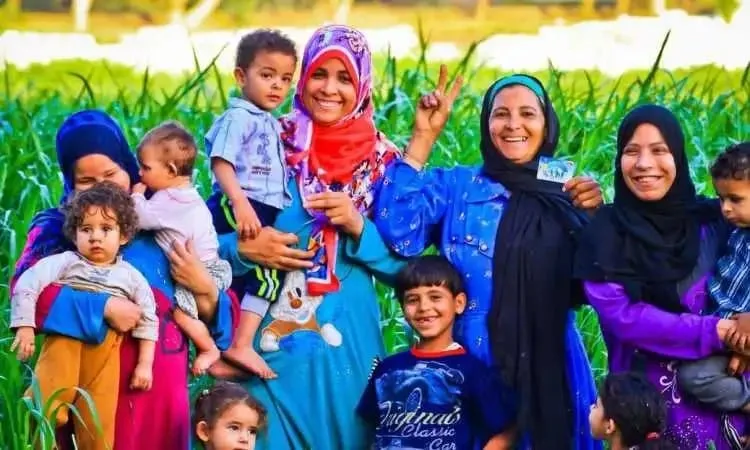
Participants in the International Social Protection Forum discussed a wide range of issues, including new financing mechanisms, targeted cash transfers for early childhood and nutrition, and support linked to education.
They also discussed the care economy, older people and people with disabilities, rural livelihoods, the green economy, decent work and how social protection systems can adapt to future shocks.
UNICEF Representative to Egypt Natalia Winder-Rossi called for integrating crisis preparedness into the design of social protection programmes.
She highlighted the need for operational and financing mechanisms that allow the rapid expansion of coverage and assistance levels, while prioritising children and ensuring their continued access to education, healthcare, protection and psychosocial support.
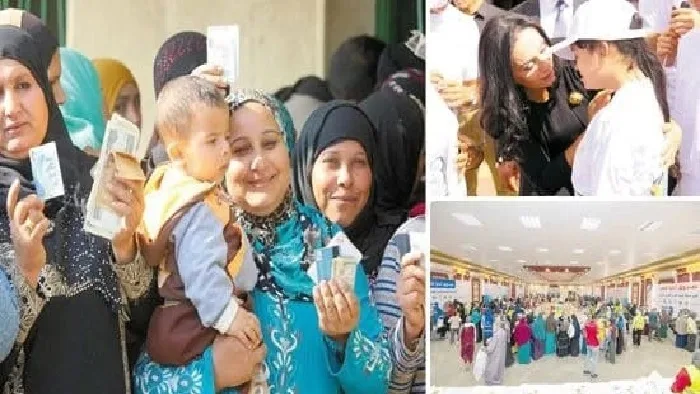
Rita Sciarra, Inclusive Growth Team Leader at the United Nations Development Programme, stressed the importance of supporting small and medium-sized enterprises and providing financing and jobs for the most vulnerable groups.
The forum is expected to be held regularly in Egypt every two years, with its website giving experts and specialists the chance to propose topics for its next edition.
Minister Morsy described the event as an Egyptian initiative backed by international partnerships.