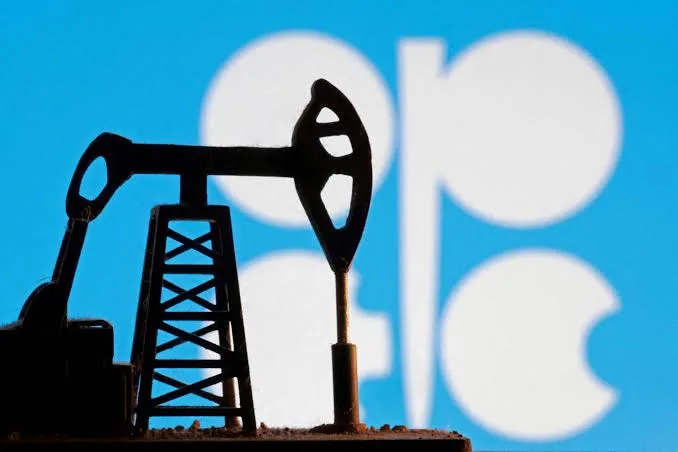




The Trump administration encouraged Venezuela and Iraq to consider leaving OPEC earlier this year and prevented Venezuela from paying its annual membership dues to the group, according to ten people familiar with the matter.
The previously unreported moves targeted two of OPEC’s five founding members, marking an unusually direct challenge to an organisation President Donald Trump has long accused of keeping oil prices artificially high.
US officials were pushing for greater oil production and investment in both countries at the time, and some worried OPEC production limits could eventually constrain those ambitions, according to people familiar with the discussions.
The US pressure on Venezuela went far enough that Saudi Crown Prince Mohammed bin Salman intervened this summer, persuading the Trump administration not to press the issue further, two people familiar with the matter said.
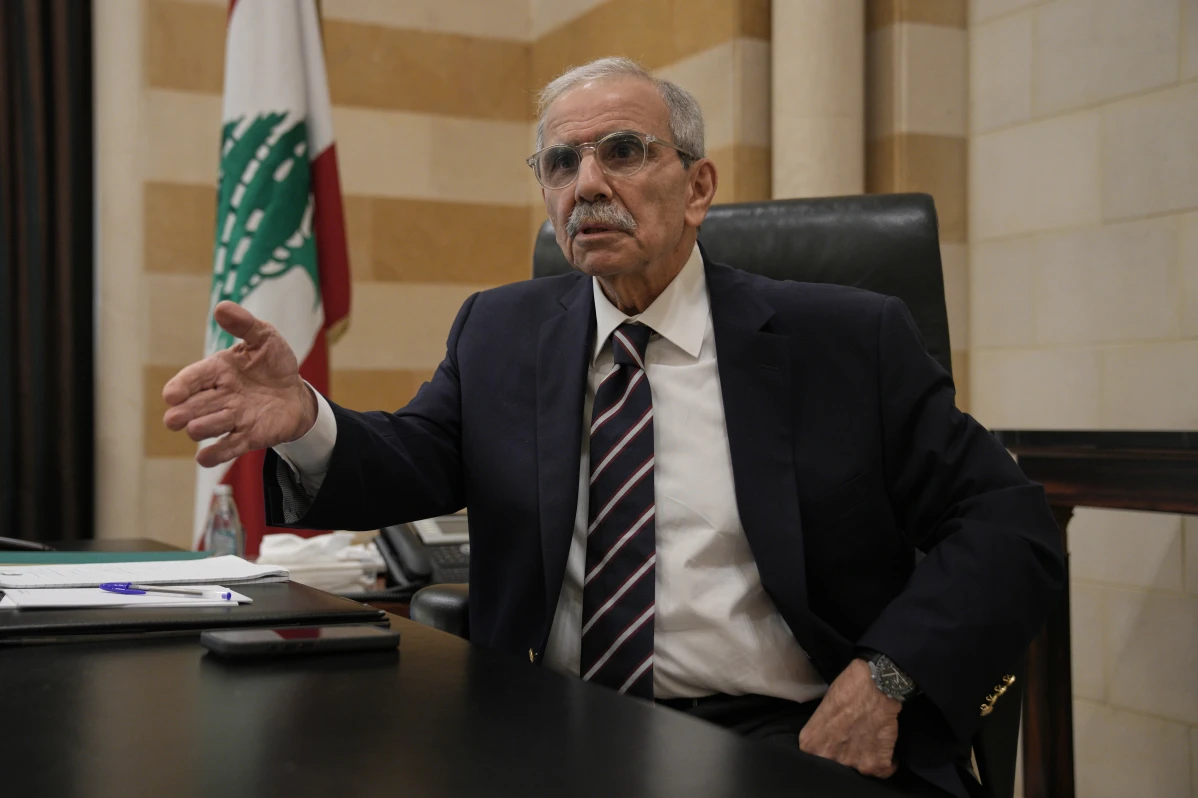
In Iraq, Prime Minister Ali Faleh al-Zaidi raised the possibility of leaving OPEC at a government meeting this summer after discussions with US officials who encouraged the idea, two people familiar with the matter said.
Iraq’s oil ministry pushed back, persuading al-Zaidi to keep Iraq in the group and consider seeking a higher production quota instead, the people said.
The United States has powerful leverage over both countries.
The US controls Venezuela’s access to state funds following the January ouster of Nicolas Maduro, while Iraq’s oil revenues continue to pass through an account at the Federal Reserve Bank of New York, a relic of the 2003 Iraq War.
The US State Department did not answer questions about whether it had prevented Venezuela from paying its OPEC membership fee.
But it confirmed Washington has the power to decide on Venezuela’s use of state funds, now held in a US-controlled account set up after Maduro’s removal.
“The Department receives disbursement requests from the interim Venezuelan government and reviews the requests, including against a list of approved and prohibited uses of the foreign Government Deposit Funds,” a State Department official told Reuters.