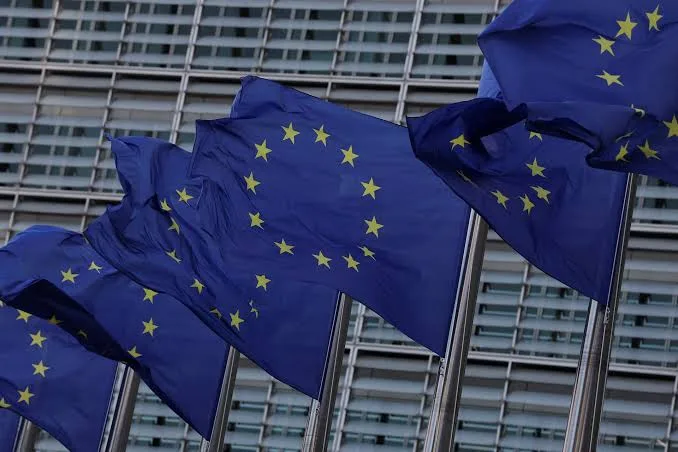









European Union leaders will clash on Thursday over the bloc’s nearly €1.6 trillion ($1.76 trillion) budget proposal for 2028 to 2034, hoping to narrow differences in pursuit of a deal in December, diplomats said.
Diplomats said they expected governments to forcefully state their positions on key issues including financial support for Ukraine as Russia’s 4-1/2-year-old war there continues.
The EU’s 27 member countries hope the meeting paves the way for Chairman and EU Council President Antonio Costa to bring a new budget proposal in the coming weeks and for members to agree on it at a summit on December 17 and 18.
At Thursday’s meeting, one diplomat expected “leaders to be yelling, complaining, showing they are willing to fight. They need that first. They need a breakdown, blood on the walls, before they can get to an agreement.
“While the budget only starts in 2028, leaders want to have a deal by year-end because next year there are elections in France, Italy, Poland, Greece, Estonia, Finland and Slovakia which could complicate negotiations.
The seven-year budget requires unanimous approval from all 27 member states.
“I don’t think the real negotiations will happen until we have a gun to our head, normally that’s how it is, and when we have a real, real deadline,” another diplomat said.
Under the latest proposal that Costa presented this week, the seven-year budget totals €1.582 trillion ($1.74 trillion), which includes €140 billion to repay pandemic-era borrowing.
The biggest line item is around €740 billion to support European farmers and help the poorest regions of the EU catch up to the richer ones.
At Thursday’s meeting, leaders must also sort out how to continue financing Ukraine.
The 2028-2034 budget includes up to €100 billion for Ukraine, mainly for defence and budget support, an amount that diplomats say falls well short of the country’s needs.
The talks will also cover aid to Kyiv in 2027 because a proposed loan intended to raise funds for Ukraine would be borrowed against the EU’s current budget, which expires at the end of next year.
The EU wants to borrow €45 billion and lend it to Ukraine, only to be repaid when Russia pays war reparations to Kyiv.
In 2027, non-EU countries like Britain, Norway, Japan, Switzerland or Canada will provide another €25 billion for Ukraine.
The combined €70 billion would cover the funding gap that Ukraine faces next year.
One of the fights on Thursday will be over whether all member countries should contribute to the €45 billion loan to Ukraine. Slovakia, the Czech Republic, Hungary and Bulgaria object, but Germany and several other countries have made participation a condition of a broader budget deal.