






Egypt’s reaffirmation of its “unwavering commitment” to the security, stability, unity and territorial integrity of Libya is more than diplomatic courtesy. It restates a principle long guiding Cairo’s approach to its western neighbour, that Libya’s stability is inseparable from Egypt’s own.
President Abdel Fattah El-Sisi’s meeting with Libyan Prime Minister Abdul Hamid Dbeibeh, attended by Prime Minister Mostafa Madbouly and Head of the General Intelligence Service Major General Hassan Rashad, signalled talks spanning economics, security and politics. Trade, investment, energy and reconstruction headed the agenda, alongside regional coordination for peace and stability.
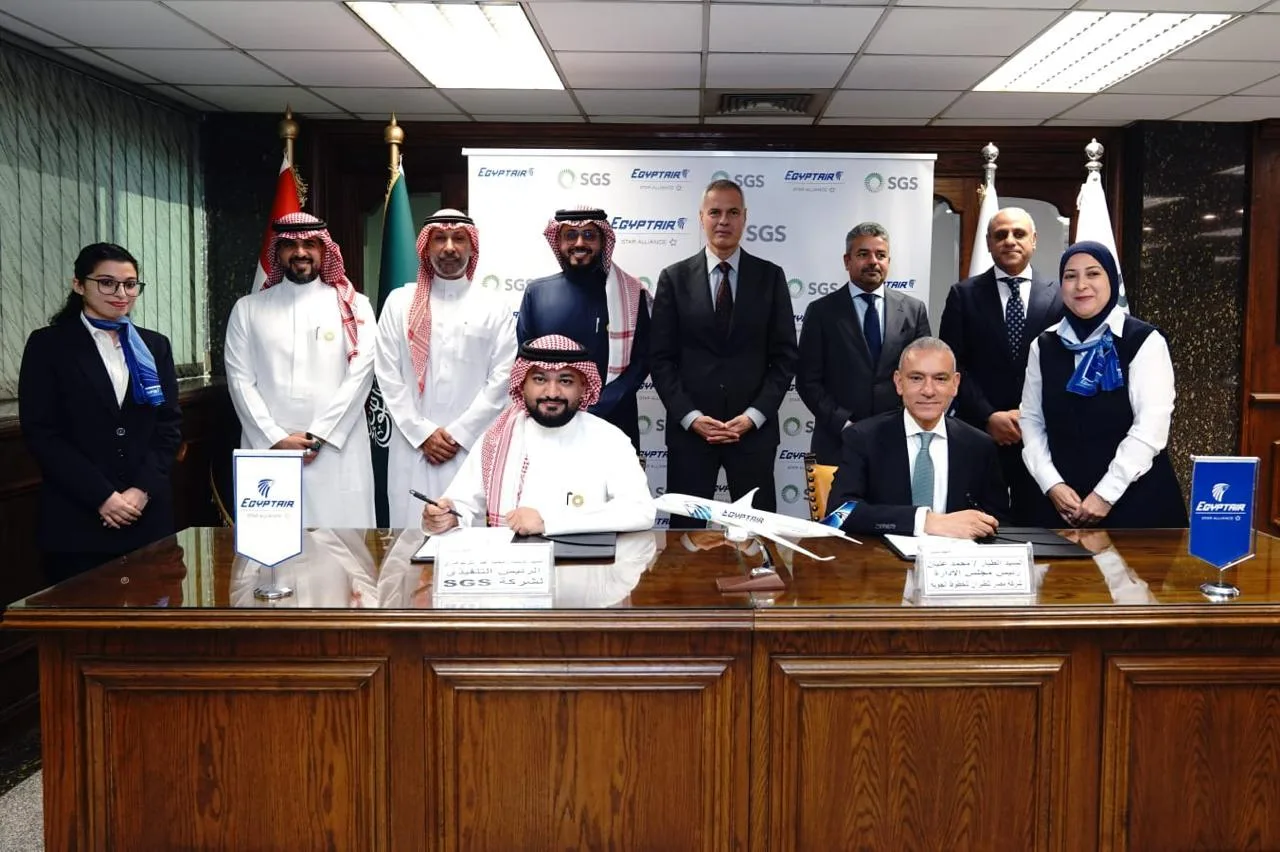
The agreements signed, covering fisheries, natural gas infrastructure, petroleum refining, scientific research, labour affairs, training, small and medium-sized enterprises, media co-operation and government communication, suggest a relationship moving beyond headline sectors towards the institutional links that make cooperation durable.
Yet signatures are the easy part. What has too often been missing is follow-through. Abdel Muttalib Thabet, Libya’s permanent representative to the Arab League, made the point plainly: priorities must now move “from principles to tangible projects”, with clear timetables so citizens see results. That is the right test, and both governments should accept it.
The most pressing results are the most human. Dbeibeh raised entry visas, residency permits, the status of Libyan students and border entry. President Sisi’s directive that these be addressed positively, and the agreement that the interior ministries coordinate to resolve them quickly, are welcome. But such pledges will be judged at the border and the consulate counter. Thabet’s call for easier procedures for students, patients and businesspeople, and for a joint consular mechanism for humanitarian cases, deserves serious consideration.
Institutions matter as much as intentions. Thabet urged the Joint Higher Committee to reconvene regularly, backed by a permanent follow-up committee to report on progress. Without a mechanism that tracks implementation, even well-drafted agreements risk fading once the cameras leave.
The reopening of the Egyptian embassy in Tripoli shows what direct engagement can achieve. It should be the model for a more continuous relationship, in reconstruction, oil production and refining, electricity interconnection, and the freer movement of goods and investment.
Thabet noted that what brings the two countries together is far greater than any differences between them. Geography and history have made them partners; only deliberate effort will make that partnership productive.

