










For years, this lush Palestinian city was an oasis of calm in the occupied West Bank.
Jericho’s warm weather drew tourists year-round and its perch low in the Jordan Valley kept it somewhat isolated from the violence elsewhere in the territory.
But that relative peace was shattered this week when Palestinians said Israeli settlers who had newly infiltrated the outskirts of Jericho shot and killed a 72-year-old woman during clashes with local youth.
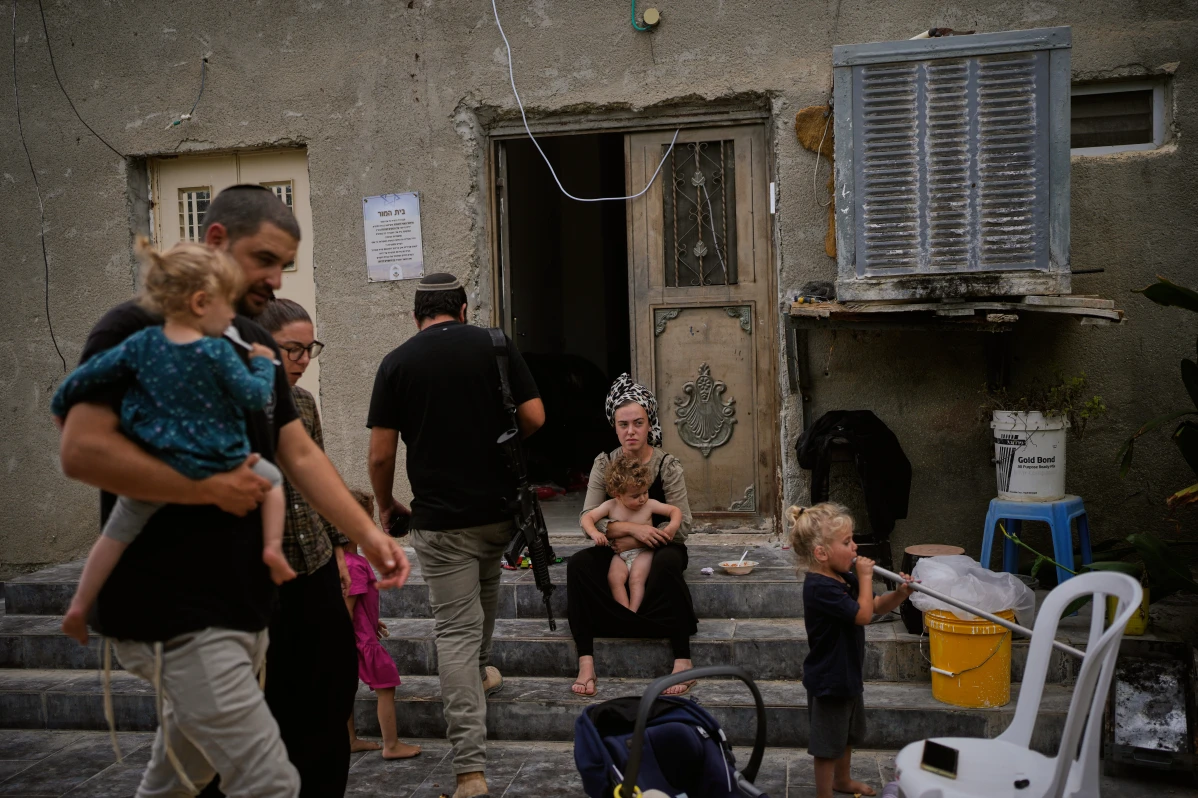
The killing late Monday of Fadda Fheidat came just days after the settlers had seized a cluster of Palestinian homes they said they purchased — a claim that rights groups and Palestinian residents contest.
The takeover was the first time in decades that Israelis had settled within a residential neighborhood around a major Palestinian city.
And now, as armed settlers patrol their streets, Palestinian residents say the violence has raised fears that a new phase of settlement expansion is reaching West Bank cities once considered safe from encroaching settlers.
Israel has occupied the West Bank since it captured the territory, along with east Jerusalem and the Gaza Strip, from Jordan and Egypt in the 1967 Mideast war.
Since then, it has built a network of settlements for more than half a million Israelis on land Palestinians seek for a future independent state.
The international community overwhelmingly considers the settlements illegal. But Prime Minister Benjamin Netanyahu’s right-wing government has approved more than 100 new settlements during its tenure.
Settlers have also erected unauthorised outposts, which they’ve used to attack Palestinian shepherds, rampage through communities and drive people from their homes.
The seizure of the homes in al-Duyuk al-Tahta followed a similar pattern, residents and rights groups say, starting with the construction of a new outpost nearby in 2024.
The neighbourhood lies just outside Jericho’s city limits, near a prized archaeological site that Israel has invested in developing as a tourist destination.
“We are writing a new chapter of Jewish life. We have returned home,” Israel Ganz, who heads the local council governing Israeli settlements in the area, declared on social media after the settlers moved in on Nov. 4.
The Israeli rights group B’Tselem described the settlers’ arrival as the latest in a series of increasingly bold and largely unchallenged efforts to drive Palestinians from their land. It warned of “a reality similar to Hebron – the only city where Israeli settlers have for decades lived under military protection in the heart of a built-up Palestinian urban area.
The settlers’ arrival introduces a permanent Israeli presence “with increased military deployment, restrictions on Palestinian movement, and settler militia violence and intimidation, which will affect the lives of tens of thousands of Palestinians,” the group said in a statement.
A major turning point came in February when settlers from the nearby outpost, emboldened by Israeli demolition orders for several houses on the edge of al-Duyuk al-Tahta, drove trucks and tractors into the community and spent nearly eight hours ransacking and bulldosing homes, Palestinian residents said.

