








Houthi attacks on Saudi infrastructure are adding to concerns about US President Donald Trump’s proposed nuclear power pact with the kingdom, weeks before US senators are due to vote on whether to block the agreement.
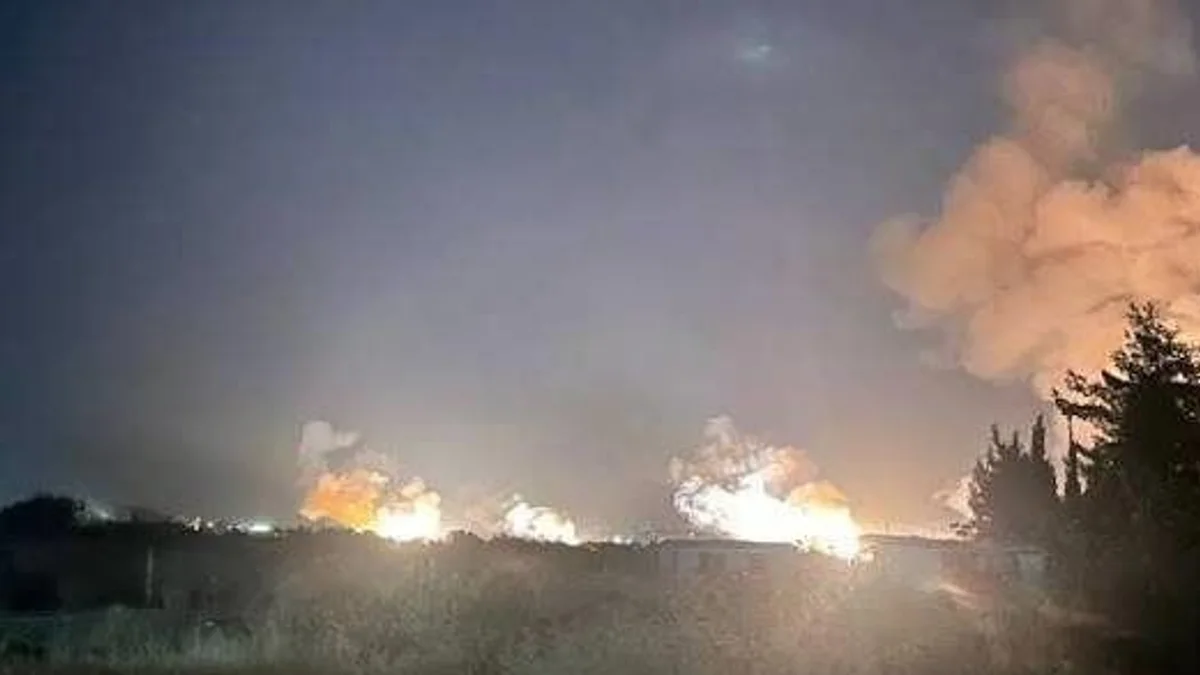
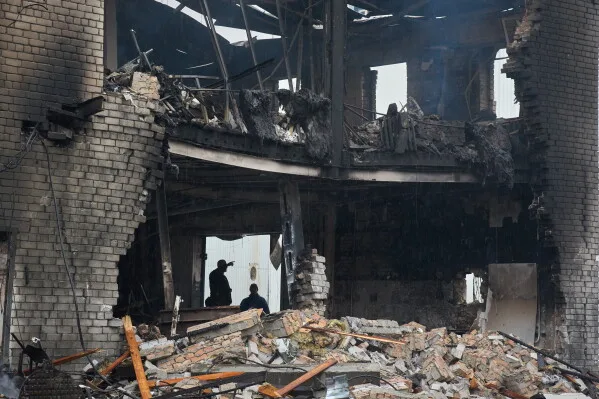
Yemen’s Iran-aligned Houthis have intensified drone and missile strikes on Saudi airports, oil facilities and office buildings, raising questions about Riyadh’s ability to secure nuclear plants that would be built under the pact.
The US Senate will vote as soon as the week of November 30 on a resolution of disapproval of the proposal, known as a 123 Agreement, Republican and Democratic Senate aides familiar with the timing said.
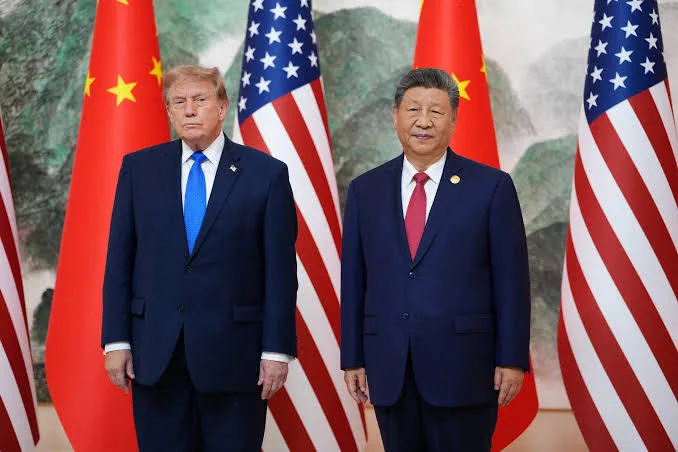
Trump, who surprised members of Congress in July by announcing the deal, submitted it to Congress in August.
Concerns rose because the agreement did not address whether Saudi Arabia would join the “Abraham Accords” to normalise ties with Israel and did not require tough measures like snap inspections of the proposed nuclear plants.
Worries about the deal have focused mainly on the possibility that Saudi Arabia one day could build a nuclear weapon, but the Houthi campaign has fueled worries that militants could strike or seize nuclear facilities.
The Houthis escalated their threats on Friday, saying they would attack Saudi Arabia’s Red Sea ports and warning everyone nearby to stay away.
Henry Sokolski, executive director of the Nonproliferation Policy Education Center, and Sharon Squassoni, a research professor at George Washington University, wrote in the National Interest that the US should demand safety plans.
“The last thing Washington should do is to build a bomb starter kit in Saudi Arabia, only for the Yemenis—or some other hostile group—to take it over,” they wrote.
The Saudi embassy in Washington did not respond to a request for comment.The Senate aides said they did not know whether the resolution to block the pact would garner the simple majority needed to pass the Senate, where Trump’s Republicans still have a 53-47 seat majority.
However, some Republicans have joined Democrats in requesting more information on the nuclear proposal.
