





Minister of Foreign Affairs, International Co-operation and Egyptian Expatriates Badr Abdelatty has reaffirmed Egypt’s commitment to protecting intellectual property rights as a cornerstone of economic development, innovation, creativity, private investment and entrepreneurship.
He also stressed the importance of striking a balance between the development of artificial intelligence (AI) and the protection of creators’ rights.
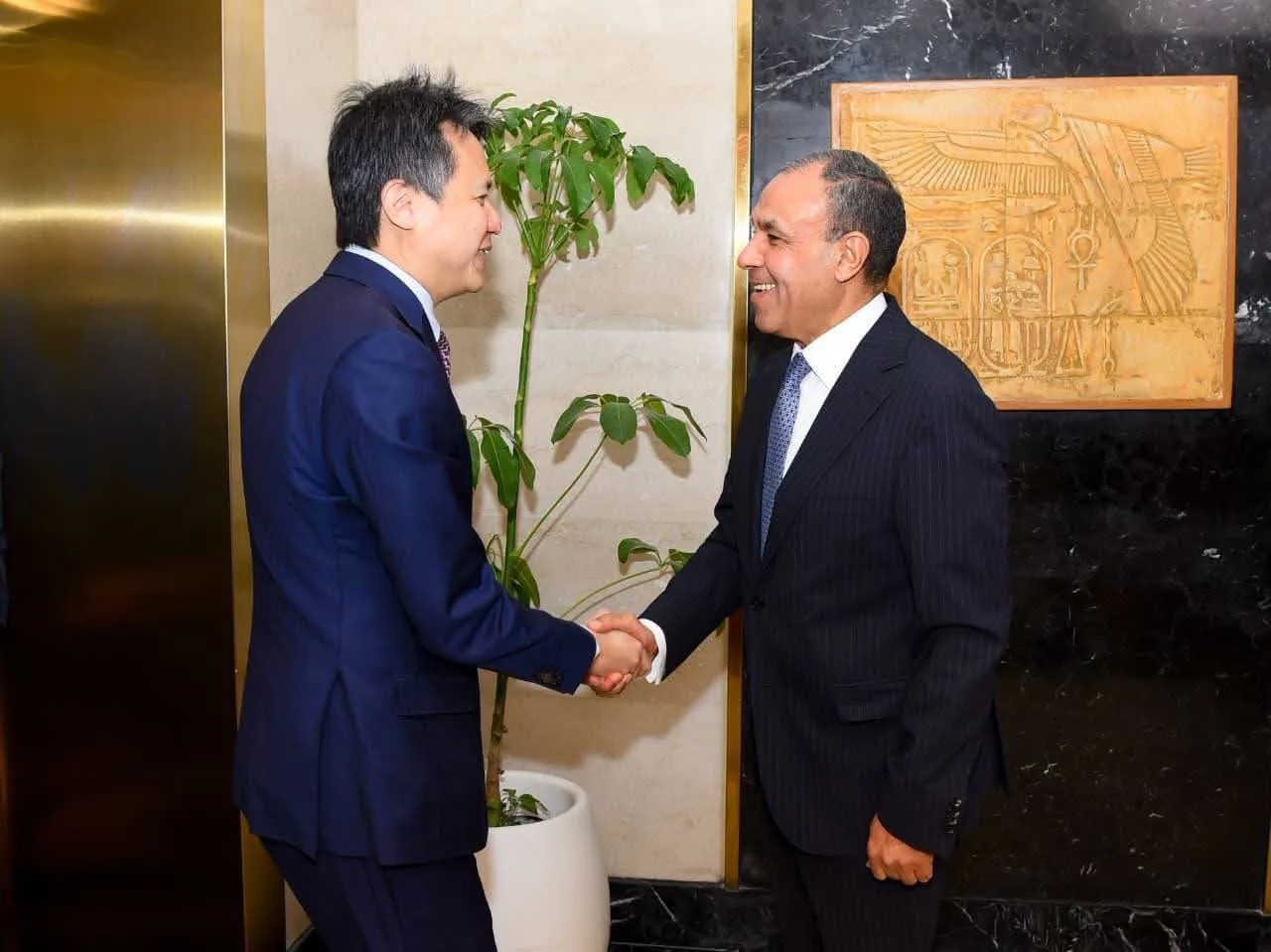
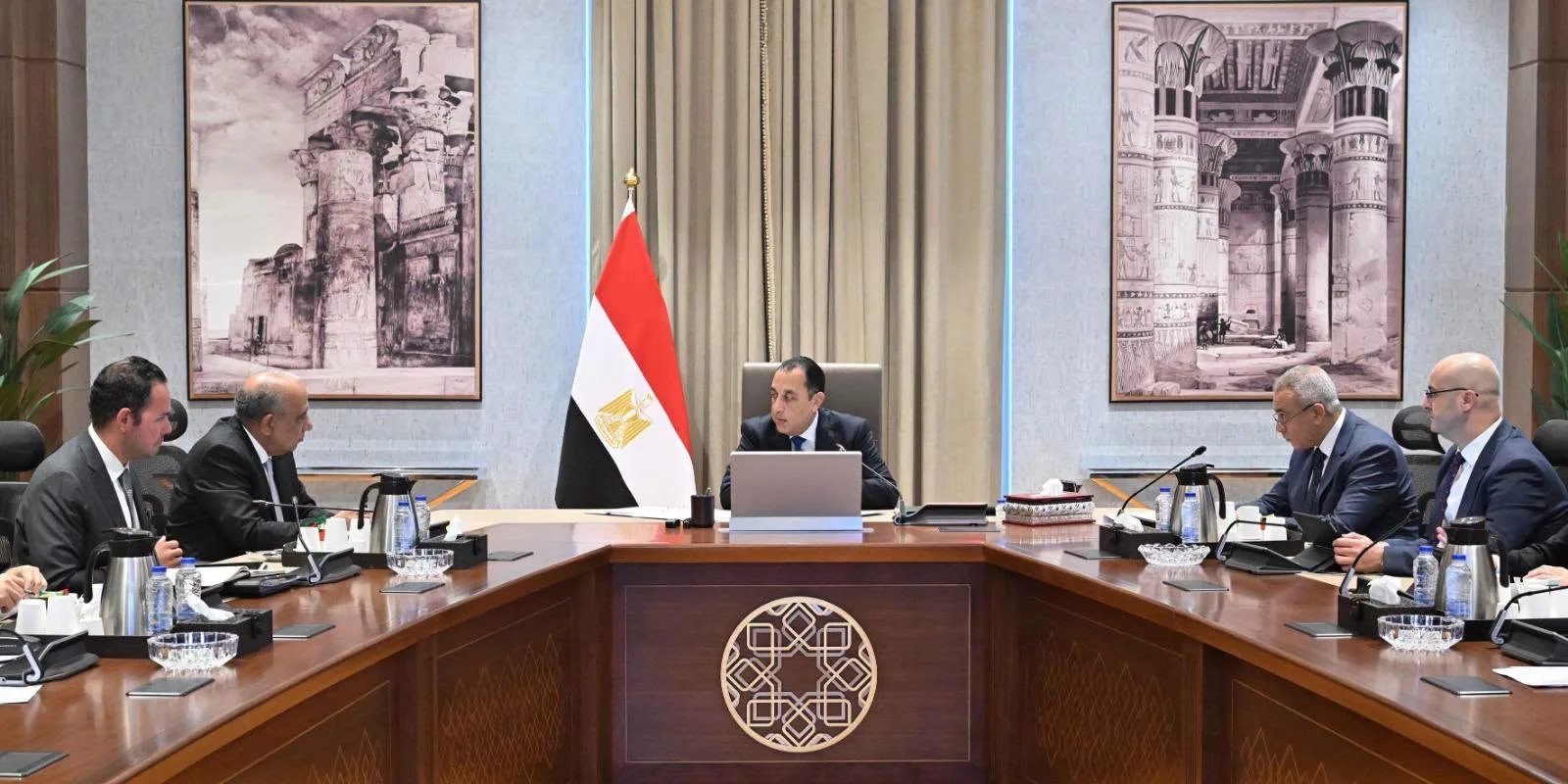
Abdelatty made the remarks during a meeting on Monday with World Intellectual Property Organisation (WIPO) Director General Daren Tang, attended by Head of the Egyptian Intellectual Property Authority Hisham Azmi.
Foreign Ministry Spokesman Ambassador Nader Zaki said Abdelatty expressed Egypt’s keenness to expand co-operation with WIPO in light of the challenges posed by technological advances, particularly AI.
The minister cited traditional kilim weaving and talli embroidery as examples of Egypt’s rich cultural heritage, emphasising the role of intellectual property protection in preserving such traditional crafts and enhancing their economic and cultural value.
Abdelatty reviewed progress in implementing the National Intellectual Property Strategy 2022–2027, which includes establishing a unified governance framework, reforming legislation, setting up the Egyptian Intellectual Property Authority and forming a committee to review relevant laws.
He also proposed co-operation through the biennial Alamein-Africa Forum, which brings together African leaders, businesses and financial institutions.
For his part, Tang praised bilateral co-operation and Egypt’s progress in the Global Innovation Index, highlighting its top ranking in Africa and its position among regional leaders in compliance with intellectual property regulations.
He also commended Egypt’s economic and structural reforms, particularly the state divestment programme, which he said had helped empower the private sector and attract investment.
Tang affirmed WIPO’s readiness to consider Egypt’s proposal for trilateral African co-operation in training and capacity building on AI governance.

