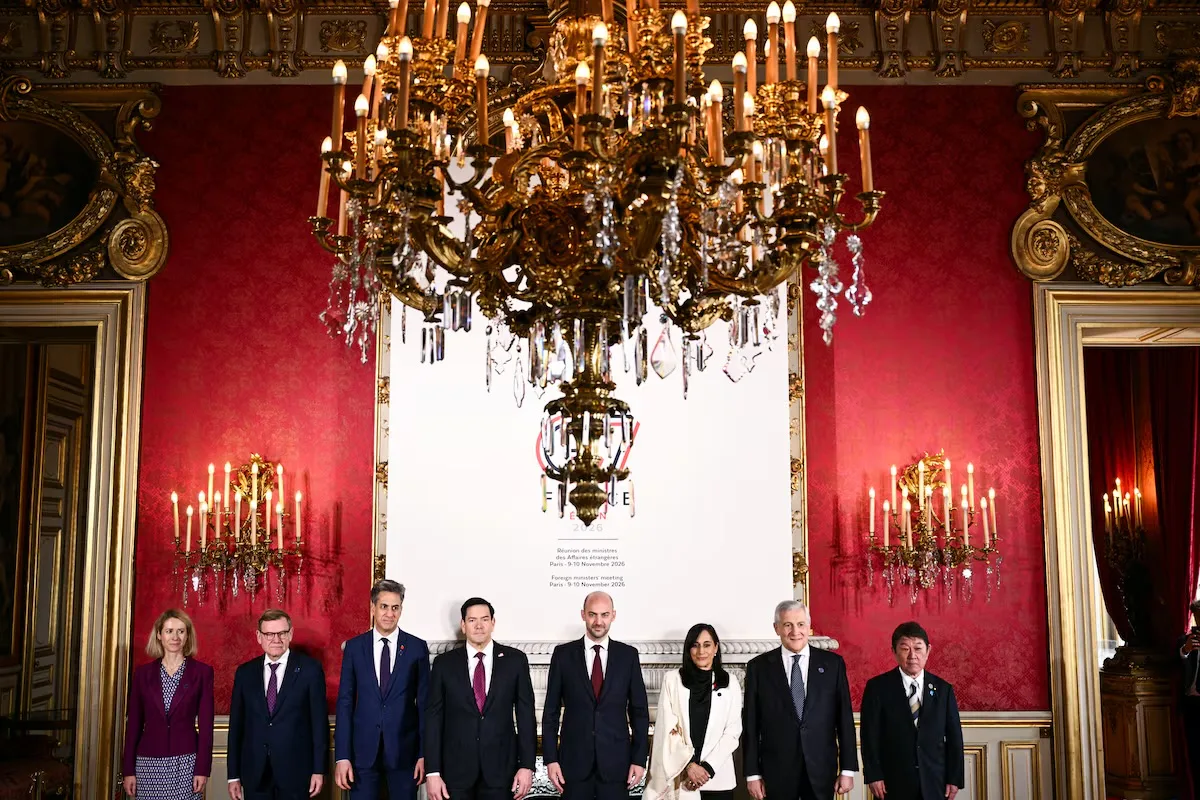




G7 foreign ministers gathered in Paris on Monday aiming to gauge whether a US midterm defeat for President Donald Trump alters the administration’s approach to Ukraine, the Middle East and ties with its closest allies, four G7 diplomats said.
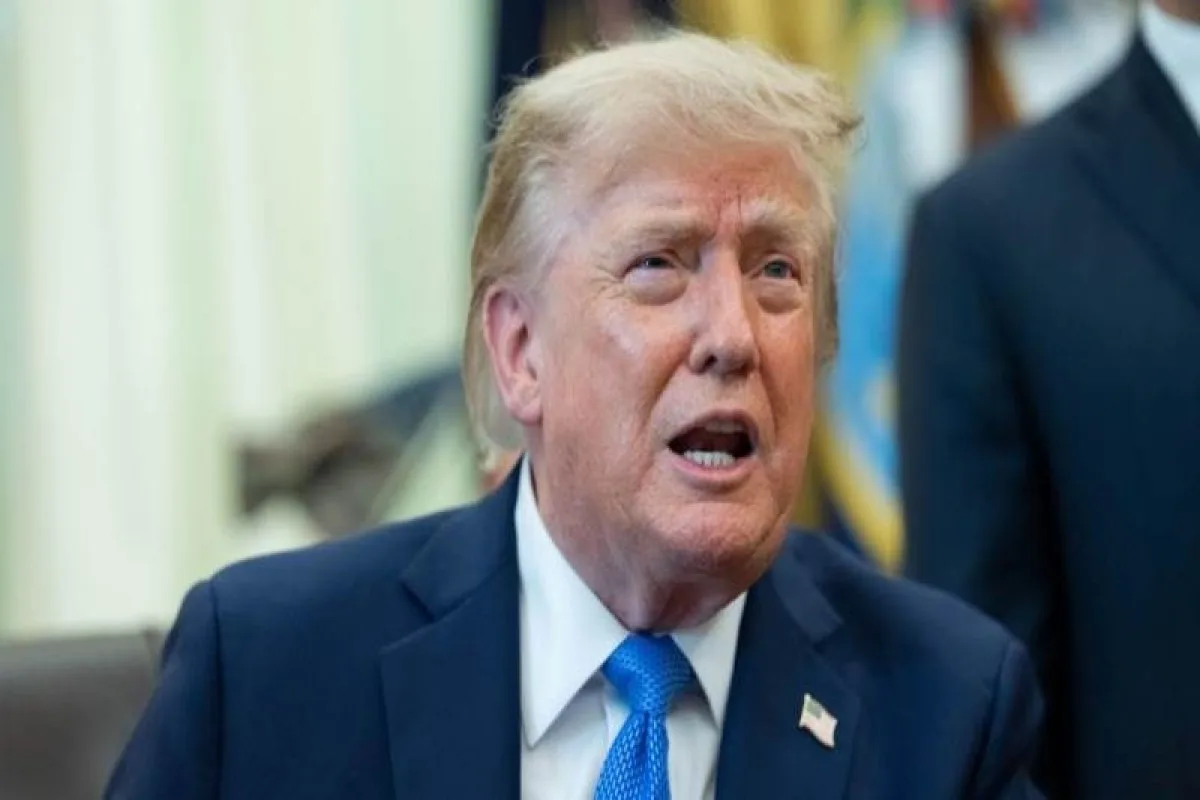
The diplomats signalled the Democrats’ gains could narrow the White House’s room for manoeuvre, but warned against expecting a return to traditional US multilateralism while foreign policy remains very much under Trump’s control.
The meeting, moved at short notice from Marseille to Paris for security reasons after weeks of protests across France, will see US Secretary of State Marco Rubio, viewed as a potential 2028 presidential contender, make his first appearance before allies since the elections.
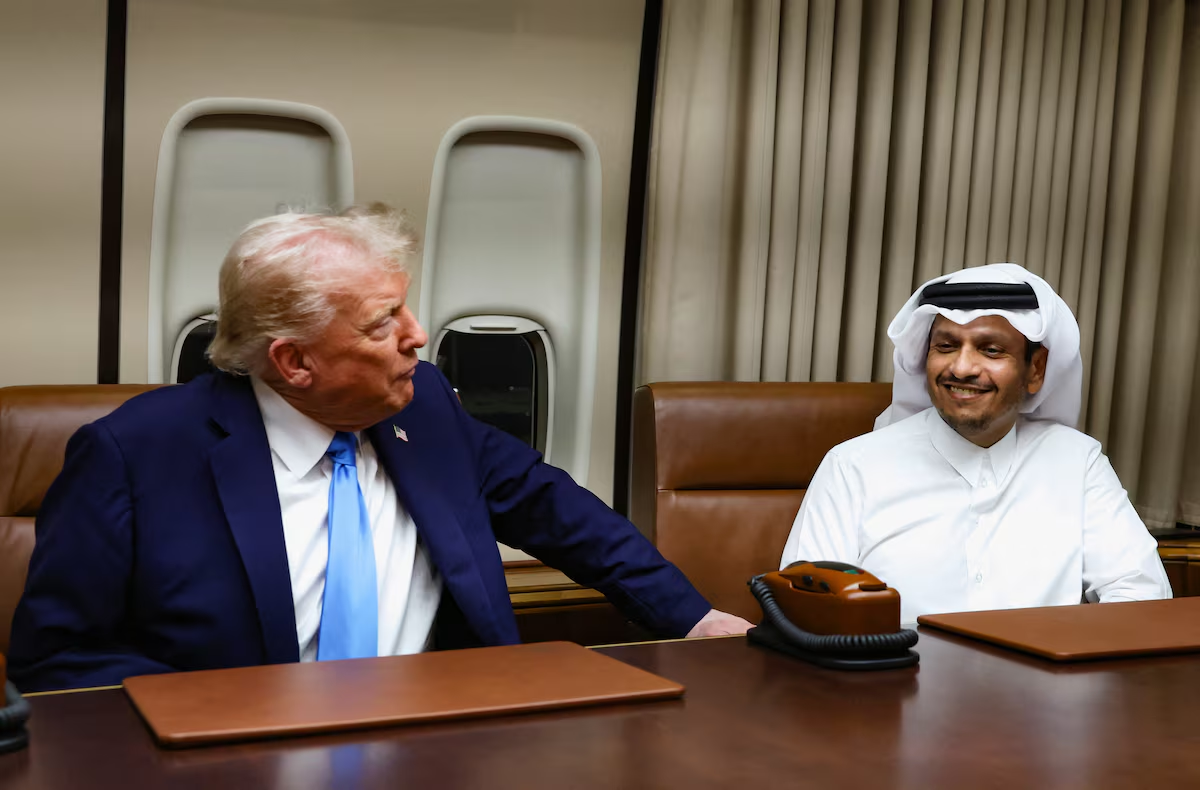
Iran is expected to feature prominently in discussions. Washington’s G7 allies have repeatedly voiced scepticism over the war and fear further US military action could worsen rather than resolve the crisis.
Speaking on his way to the French capital, Rubio downplayed the chances of a deal with Iran, one of the issues that saw voters turn against Trump.
“I wouldn’t say we’re on the verge of a breakthrough,” he said, adding sometimes leaders had to press on with unpopular policies because it was the right thing to do.
“Right now, it’s not been very productive because Iranian demands are simply not just unacceptable but in some cases outrageous, ridiculous and really not realistic.”
The G7 comprises Britain, Canada, France, Germany, Italy, Japan and the United States, as well as the European Union. Ministers from Ukraine, Saudi Arabia, Egypt, South Korea and Brazil are also attending.
Ukraine is also likely to top the agenda, with the ministerial meeting coming ahead of trilateral discussions on Tuesday in Abu Dhabi between Ukraine, Russia and the United States. Officials from France, Britain, Germany, NATO and the European Commission will also be in the Emirati capital, France’s Foreign Minister Jean-Noel Barrot said on Sunday.

