






President Abdel Fattah El-Sisi has called for accelerating economic reforms, diversifying financing sources and reducing public debt, while ensuring continued spending on essential services and social protection.
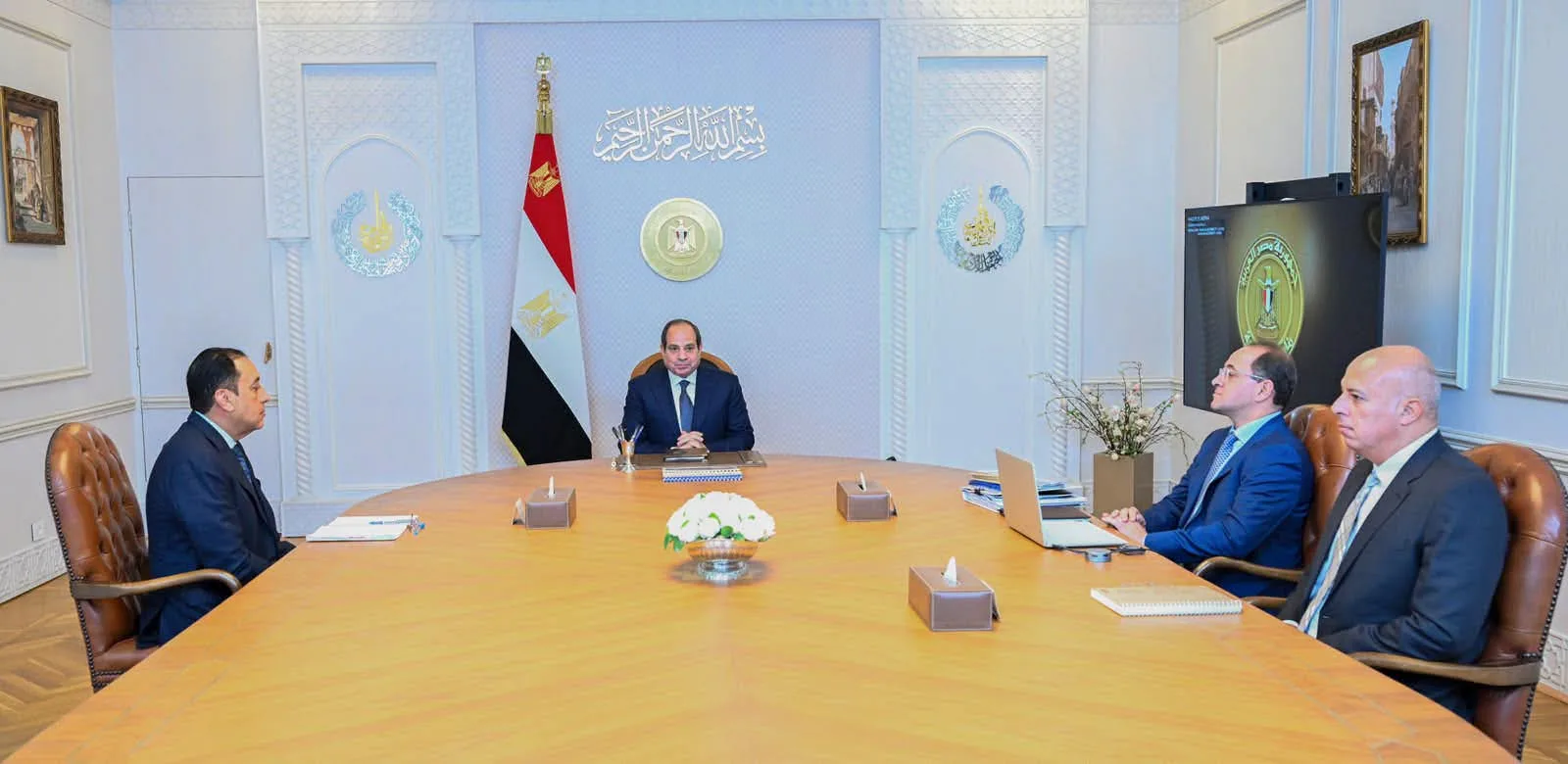
Sisi made the remarks during a meeting on Monday with Prime Minister Mostafa Madbouly and Finance Minister Ahmed Kouchouk to review key economic and fiscal indicators and government efforts to address geopolitical challenges.
Presidency Spokesman Ambassador Mohamed El-Shennawy said the meeting reviewed fiscal policies aimed at stimulating growth, reducing debt and consolidating social protection.
Kouchouk outlined measures to attract investment through tax, real estate and customs incentives, diversify financing instruments and introduce innovative solutions to create a more attractive environment for private investment and sustainable growth.
Sisi stressed the need to pursue economic reforms according to clear timelines and performance indicators, with effective follow-up on national development plans.
The meeting also reviewed low-interest financing initiatives for private-sector companies, aimed at boosting their role in various economic sectors and supporting investment and employment.
Kouchouk said the government was seeking to attract investors interested in long-term bonds, adding that swapping part of the national debt for investments and high-quality assets would ease financial burdens and channel resources towards development priorities.
Sisi stressed the importance of diversifying financing sources and instruments and offering more flexible options to attract new categories of investors.
The meeting also examined a proposal to channel part of the surpluses and funds held by state entities into government securities.
Kouchouk said this would reduce the budget’s reliance on domestic and external borrowing, particularly high-cost international debt instruments.
Maintaining financial surpluses would also help reduce public debt and the budget deficit, while creating greater fiscal space to improve essential services, advance human development, particularly in health and education, and enhance social protection, he added.

