




By Ibrahim Negm
Last week in Baku, I took part in a session on faith-led action and spiritual diplomacy. I left convinced that a sound fatwa is an instrument of peacebuilding, and that its capture by unqualified people is among the gravest
threats to social peace.
A fatwa is a reasoned religious opinion issued by a qualified Muslim jurist, known as a mufti, in answer to a specific question. It may concern
medical ethics, finance, or life as a citizen beside neighbours of other faiths. Few forms of religious speech shape conduct so directly. From a trained scholar who weighs facts, purpose and consequences, it is a barrier against strife. From an unqualified voice, it can ignite what diplomacy struggles to extinguish.
The Islamic scholarly tradition understood this long ago. Issuing fatwas was never open to all comers. Scholars built a rigorous system of
documented sources, peer-attested qualifications, rules of legal reasoning, and
a duty to understand the real situation before ruling. A fatwa is a trust, answerable to God and to people, not a comment posted to win followers.
Our era has removed the barriers to entry. Anyone can address millions and claim the title of mufti without knowledge, method or
accountability. These self-appointed figures have hijacked religious discourse
online.
They offer instant verdicts instead of careful understanding, because algorithms reward noise over rigour. In their hands, the fatwa stops being a remedy for wounds and becomes fuel for polarisation.
I said in Baku what I repeat here: extremism is not an excess of religion. It is religiosity without knowledge, without method and without
mercy. Extremist rhetoric shows zeal without jurisprudence and texts torn from context.
Violent groups routinely lean on a purported fatwa to give their actions religious cover. Stripping away that cover with authentic knowledge works better than confronting violence after it occurs.
Artificial intelligence adds a further risk. It can generate a religious-sounding answer in seconds, yet it cannot be held to account or bear
the weight of a ruling that touches a human life. Seekers are left scattered among conflicting voices, unsure whom to trust. That is the religious face of a fragmented world.
Bans will not meet this challenge. Qualified, trustworthy voices that speak plainly and stand behind what they say will. That is why the General Secretariat for Fatwa Authorities Worldwide matters. It builds the capacity of
muftis and fatwa institutions around the world through specialised training, exchange of expertise and a shared methodology. Its guidebook for establishing fatwa institutions will be followed by four regional forums. It rests on partnership and respect for each country’s fatwa authority; no single model is imposed.
This is peace infrastructure: a trained mufti can calm a local dispute with a responsible ruling before it becomes a crisis. I also commend
the efforts of His Eminence Professor Nazir Ayyad, the Grand Mufti of Egypt, in
consolidating moderation, strengthening co-operation among fatwa institutions, and presenting an image of Islam grounded in mercy and justice.
I closed in Baku with three commitments: treat religious institutions as partners in preventing crises, not guests invited after them;
invest in training scholars and in shared tools for verifying sources; and move from statements to joint, measurable projects that protect places of worship and serve those in need.
The Qur’an describes the Prophet Muhammad, peace be upon him, in these words: “We have sent you only as a mercy to all the worlds.” The measure of religious work is how far our mercy extends. A shared future is not announced
in communiqués.
It is built, one responsible fatwa and one trusted voice at a time.
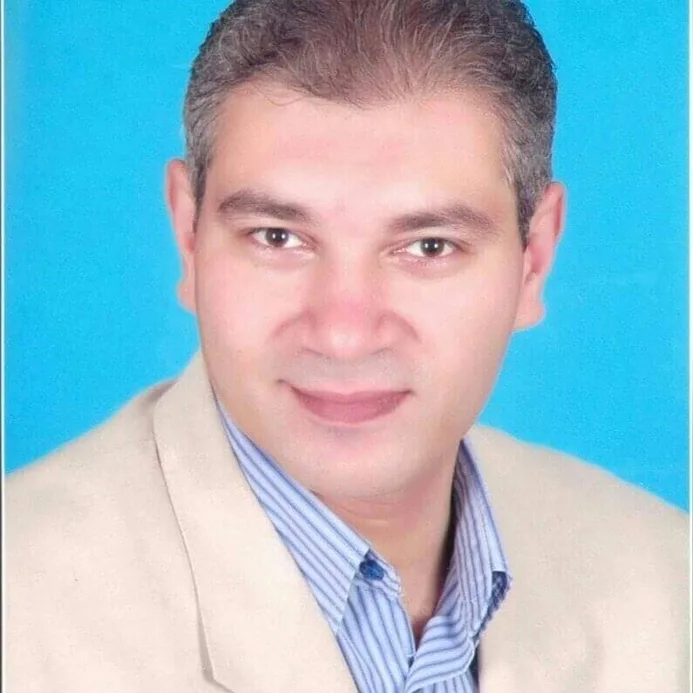
Ibrahim Negm
Senior Advisor to the Grand Mufti of Egypt

