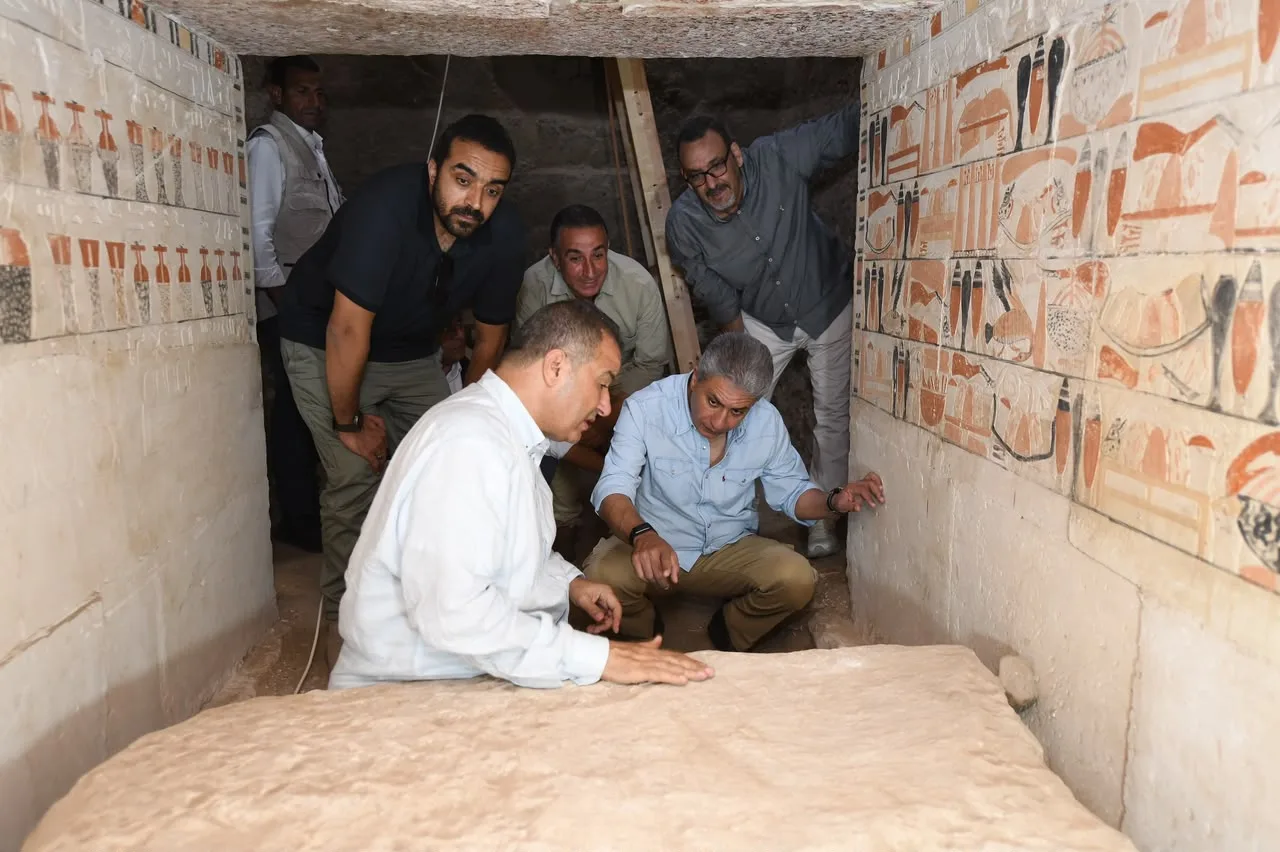






A tomb at the ancient Egyptian necropolis of Saqqara has yielded a rare mix of finds: two small wooden figures shown in a worshipping pose and bronze instruments that may have been used for medical purposes.
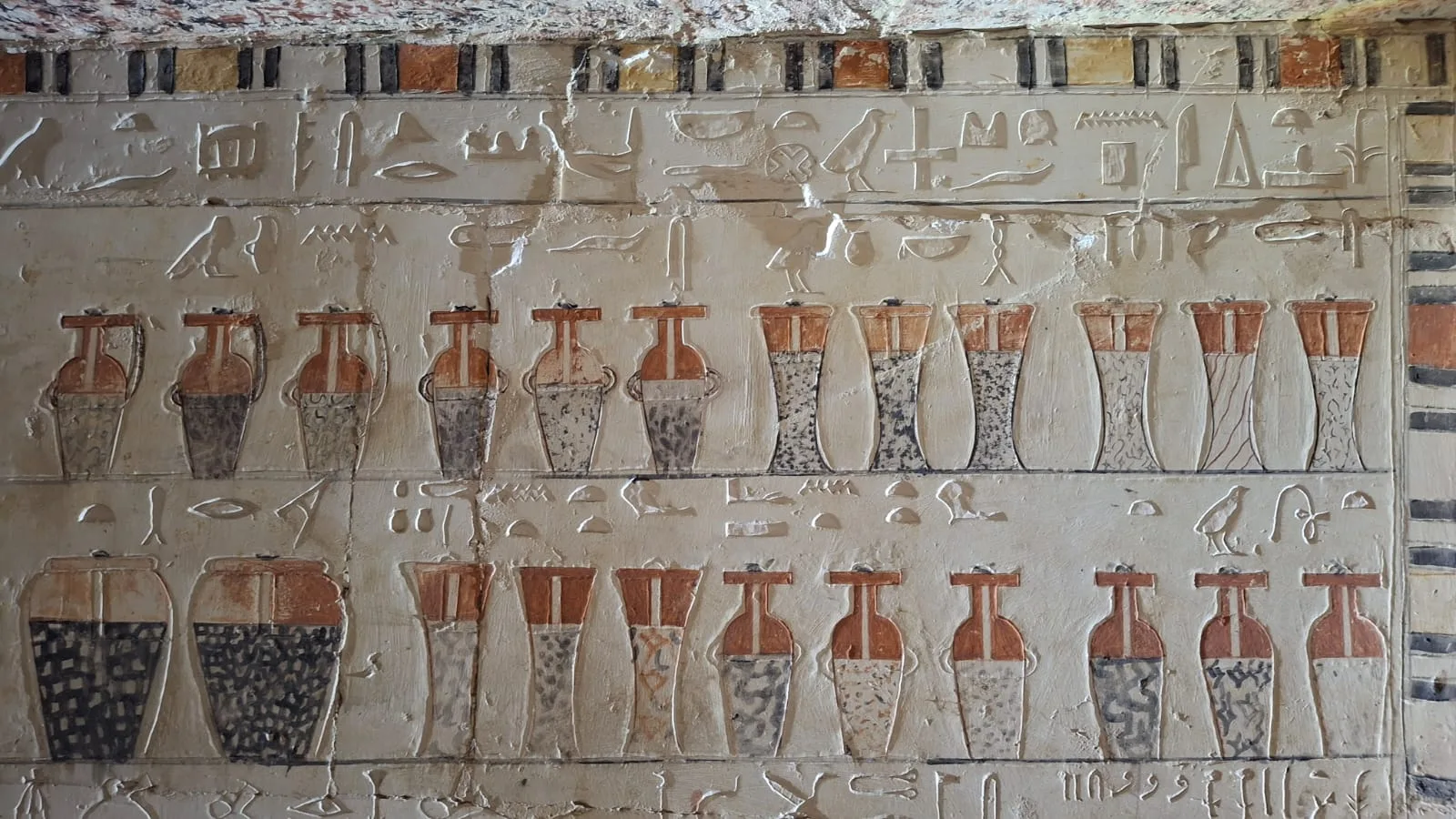
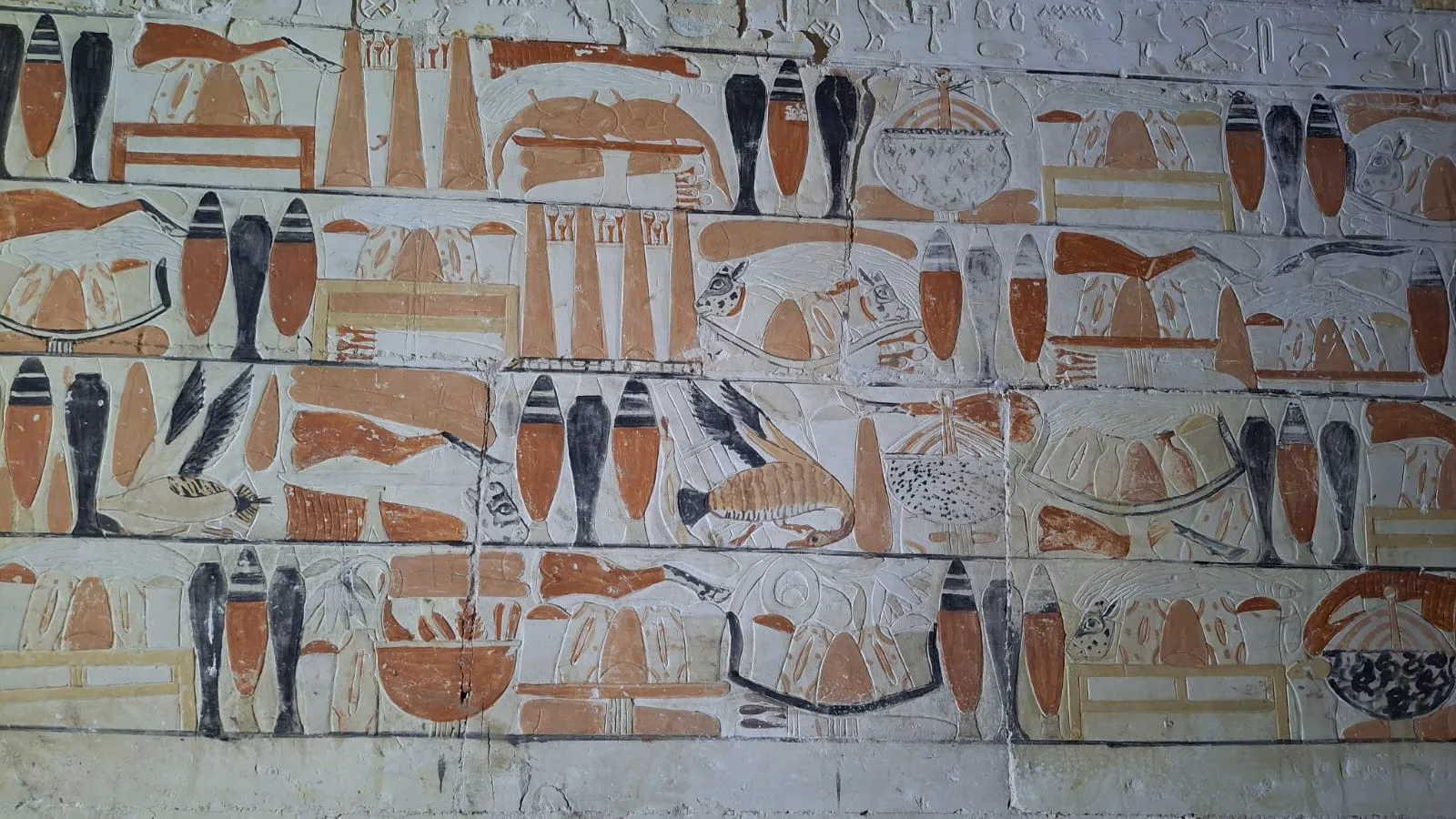
The burial chamber belonged to a man named Weni, whose inscriptions list an array of senior administrative and religious titles, Egypt’s Supreme Council of Antiquities said in a statement.
The discovery was made by an Egyptian archaeological mission excavating a mudbrick tomb structure northwest of the pyramid of King Merenre, part of the Saqqara necropolis south of Cairo.
Among Weni’s titles were mayor, overseer of every royal expedition, and treasurer of the King of Lower Egypt, according to the statement.
The bronze tools were found in the tomb’s burial shaft. Officials said their possible medical use was still under study. The inscriptions do not identify Weni as a physician, leaving researchers to investigate why the objects were buried with him.
A vaulted chamber directly above the burial room contained the two wooden figures, described by the antiquities authority as an unusual funerary find.
The excavation also uncovered a false door belonging to a woman named Sekhet Nebti, whose titles included “priestess of Hathor”, offering evidence of women’s religious roles during Egypt’s Old Kingdom.
A preliminary study of Weni’s skeletal remains suggests he was over 50 when he died and had advanced dental problems, as well as bone changes consistent with repeated physical strain, the statement said.
The findings may help researchers build a fuller picture of health and daily life in the Old Kingdom, as well as the design and use of its tombs. Archaeologists are continuing architectural, linguistic and scientific studies of the site and its artefacts.