






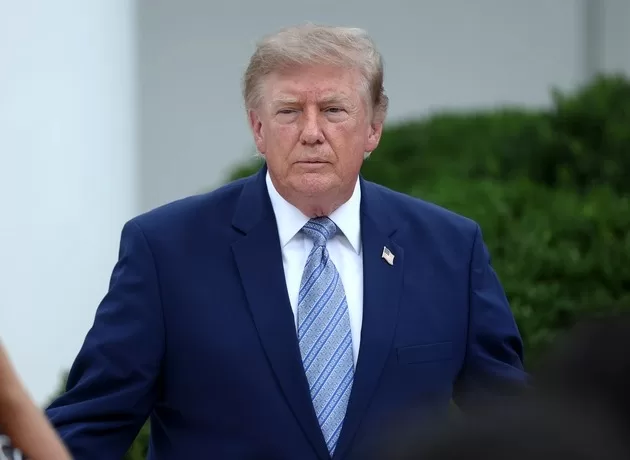
Support for the war against Iran, launched by US President Donald Trump and Israeli Prime Minister Benjamin Netanyahu in late February, has fallen, according to a poll released Tuesday.
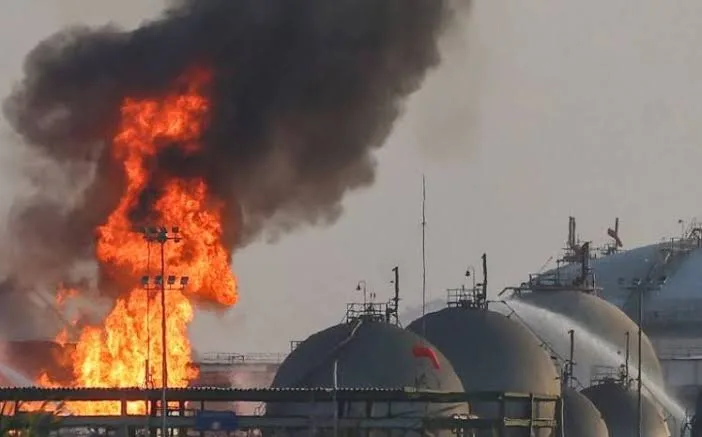
A Reuters/Ipsos survey conducted over four days and completed Monday found that public backing for US military action against Iran had dropped to its lowest level since the fighting began. The conflict prompted the closure of the Strait of Hormuz, a vital route carrying roughly 20 per cent of the world’s energy supplies, contributing to higher living costs worldwide. The issue is particularly sensitive in the United States as the country approaches next November’s midterm elections.
Only 31 per cent of Americans said they supported US military action against Iran, down from 37 per cent in a Reuters/Ipsos poll conducted in March and 34 per cent earlier this month. The decline was largely driven by weaker support among self-identified Republicans. About 69 per cent of Republican respondents backed the war, compared with 77 per cent in March.
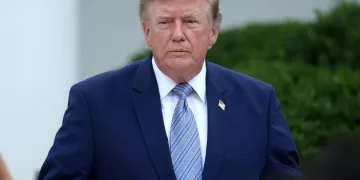
The prolonged conflict has also weighed on Trump’s public standing. For the second consecutive survey, just 33 per cent of respondents approved of the Republican president’s performance in office, the lowest rating recorded in Reuters/Ipsos polling during either of Trump’s terms.
Trump has argued that the war, which began with US and Israeli strikes on Iran on February 28, is necessary to prevent Tehran from developing a nuclear weapon. Although the fighting has eased in recent months, Iran has maintained a de facto blockade on regional oil exports, pushing US gasoline prices close to record highs.
Trump has pledged to intensify economic pressure on Iran. Treasury Secretary Scott Bessent said Monday that sanctions could be expanded to include countries doing business with Tehran, but he stopped short of imposing new penalties, an indication of the administration’s increasingly difficult position.
The latest poll found that 83 per cent of Americans believe the war will continue “for an extended period of time”, up from 80 per cent earlier this month.
Before the 2024 presidential election, Trump campaigned on promises to curb inflation and avoid prolonged military conflicts.
Six months into the war, US gasoline prices are more than $1 per gallon higher than they were before the fighting began. The increase is creating political difficulties for Trump’s Republican allies, who will defend narrow congressional majorities in the November 3 midterm elections.
Among independent voters surveyed, Democrats held a substantial advantage over Republicans when respondents were asked which party they would support in a congressional election held today: 33 per cent to 19 per cent.
The poll surveyed 1,215 US adults nationwide and had a margin of error of plus or minus 3 percentage points.

