



A 19-year-old star wrestler and two other young men were hanged in Iran this week, raising alarm among rights groups that a wave of executions may be underway as authorities facing relentless attacks from the US and Israel seek to squelch public dissent.
The three men are the first to be executed from among the tens of thousands who were arrested during a January crackdown on nationwide protests. Rights groups say more than 100 others could face death sentences.
The wrestler, Saleh Mohammadi, was hanged early Thursday morning — along with Mehdi Qasemi and Saeed Davoudi — in Qom, just south of the capital, Tehran, according to state media. They had been sentenced on charges of “moharabeh,” or “waging war against God,” for allegedly killing two police officers during protests in the city.
Amnesty International said the convictions of the three, and of others arrested during the protests, came in “grossly unfair trials” that used confessions extracted by torture.
The executions were “intended to instill fear in society and deter new protests” amid the US-Israeli war on Iran, said Mahmood Amiry-Moghaddam, director of Iran Human Rights, an Oslo-based group that has documented detentions.
Amiry-Moghaddam said he worries many more “executions of protesters and political prisoners may be imminent.”
Amiry-Moghaddam said his group has documented at least 27 death sentences that have been issued against people arrested during the protests. Another 100 face charges that carry the death penalty, and Iranian state media have aired hundreds of forced confessions to crimes punishable by death, he said.
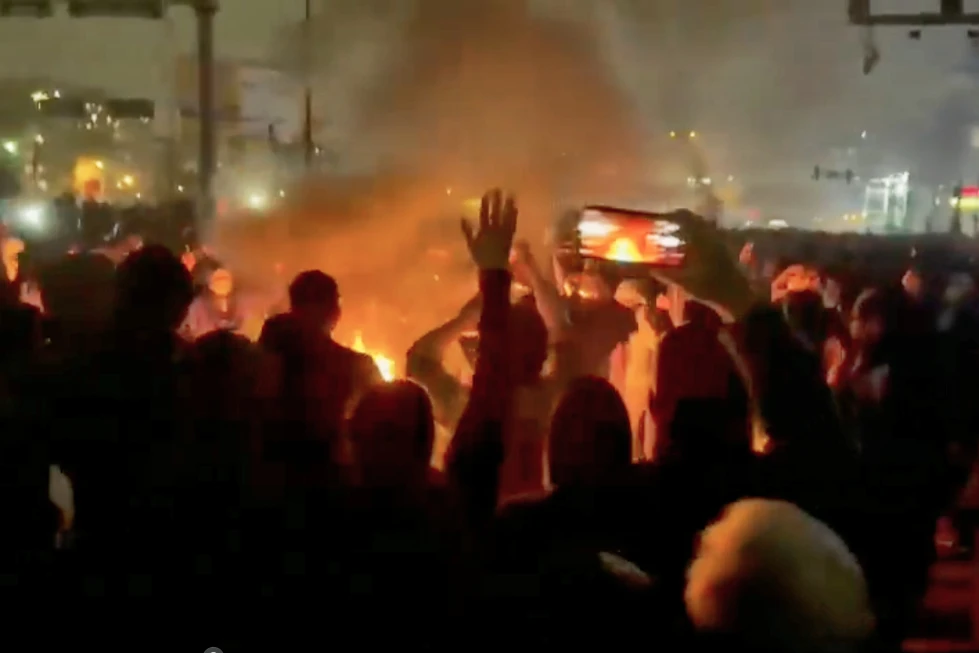
Nationwide protests that began in late December peaked in the first week of January, prompting the deadliest crackdown by Iranian security forces since the Islamic Republic took power in 1979.
A complete death toll has been hard to gauge because of internet restrictions by authorities. The US-based Human Rights Activists New Agency, which relies on a network of contacts inside Iran, said it confirmed that more than 7,000 were killed and that it was investigating thousands more. It said over 50,000 were arrested in just over six weeks. The government acknowledged more than 3,000 were killed.
At the height of the protests, Iranian authorities signaled that fast trials and executions lay ahead.
At the time, US President Donald Trump suggested military action might be an option to stop the deadly crackdown. But he soon announced that he learned that plans for executions were halted, signaling that a military operation was no longer on the table.
Just a month later, Israel and the US launched an intense airstrike campaign against Iran, pounding military installations and targeting the top political and security leadership of Iran. The security agencies believed to be responsible for the deadly crackdown on protesters are also being targeted.

