











By Dr Laila Abdel Aal Alghalban
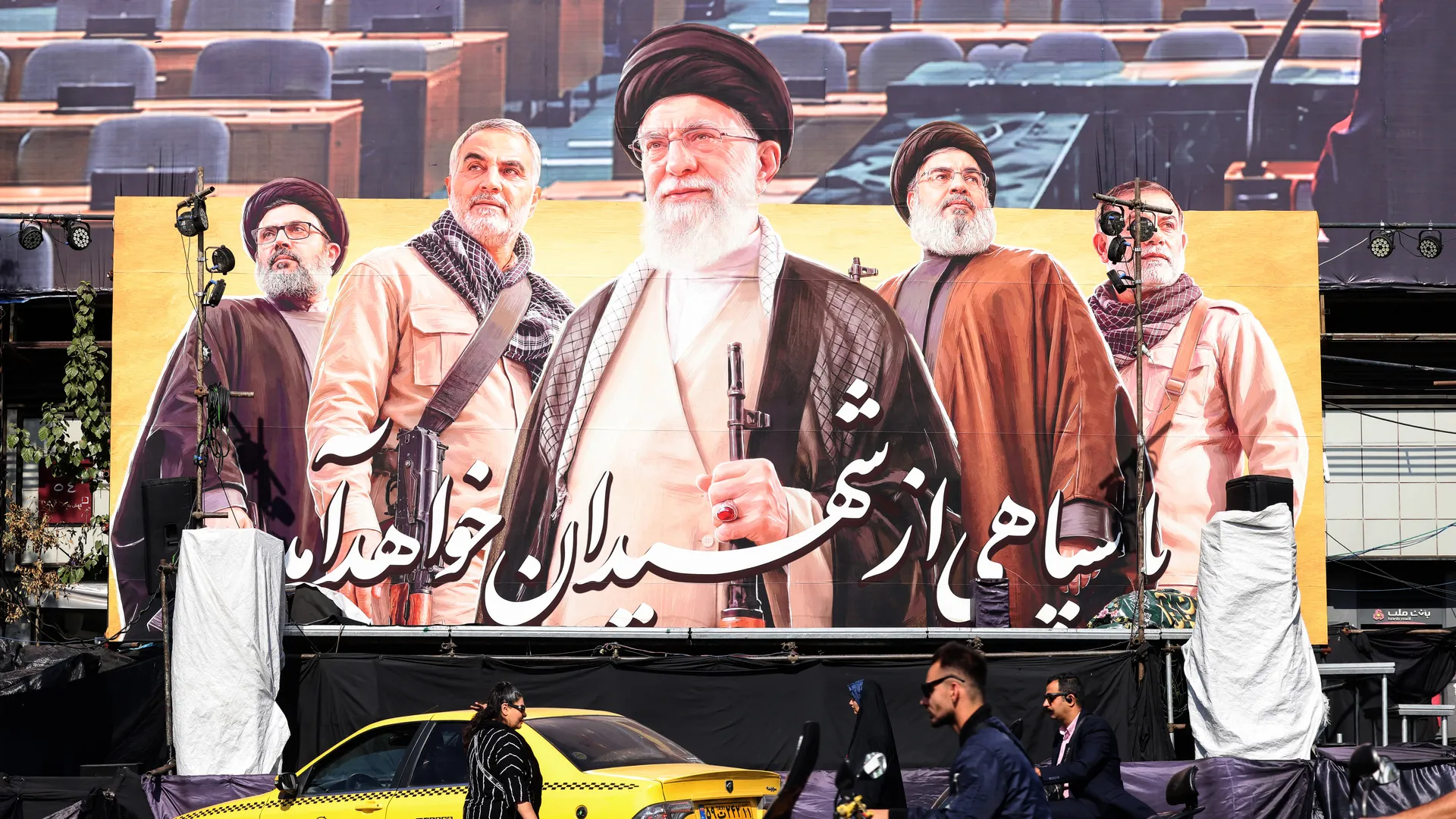
Political discourse is typically viewed as a site of power exercise where ideological messages are strongly conveyed. The notion of politics proves elusive, defined in diverse senses. An extremely general trend regards every single social practice, verbal and non-verbal, political. A more common trend sees political discourse as that one produced by politicians in political addresses, press releases, parliamentary debates, etc. It is not necessarily linguistic. When manipulated by a government, language has a crucial, unconscious influence on people’s political thought, creating a bundle of responses, assumptions and attitudes. that shape our experience when we use, read, or hear something related to that event. We represent events through the way language describes them. Accordingly, a given political event may have as many representation versions as the descriptions it receives conditioned by who describes, his/her ideological and political agenda, the target audience, etc. Paralinguistic features or body language may equally communicate. Nevertheless, since people can convey more than what they say, additional inferential work is needed, employing both textual and contextual aids to help the addressee have access to the addressor’s communicative intention.
Mythic thinking
One major characteristic of political discourse is that it is persuasive, whether by making the case or not making the case. It intends to make the audience believe and do something they otherwise might not have. Persuasion takes different forms. One common form is mythic thinking in which there is usually one and only one apparent cause of an event, hence it is unscientific as any event can be caused by a number of variables. Interestingly, mythic thinking enjoys wide support among audience members, especially the politically naive, as its premises and conclusions are not verified; they are taken for granted. However, in the digital age, people have become less vulnerable to mythic thinking campaigns, thanks to the new media and the multiplicity of platforms and institutions that provide diverse and sometimes opposing opinions and ideologies to those marketed by governments. The political scene is no longer constructed solely by the elite in power. Consequently, it is no wonder that demonstrations overwhelmed the whole world against the war on Iraq, for instance, regardless of the myth of weapons of mass destruction. Linguistically, socially-favoured or populist language is the main vehicle of mythic thinking promotion.
Audience awareness
Wallman-Bonilla proposes four kinds of rhetorical moves usually signaling audience awareness on the part of the addressor: naming moves which guide audience to take a stance, context moves that furnish the background information the addressor feels the addressees need to work out meaning, strategy moves that keep the audience’s interest and appeal to their emotions, and response moves that may explain the audience’s possible inquiries or concerns. Audience are of three groups: friendly, neutral and hostile. Persuading a hostile audience is the most difficult task. It is recommendable that the arguer anticipates the audience opposing views, as “no matter how reasonable and well supported your argument is, hostile readers or listeners may well refuse to accept your line of reasoning and cling stubbornly to their own opinions” state Daniels and Daniels.
Peripheral vs. central processing
Persuasive discourse is processed either peripherally or centrally. Audience, while processing peripherally, have little processing load and are concerned with the speaker’s style, look, posture and reactions. In central processing, by contrast, much processing resources must be there to distinguish between fallacious and sound arguments. Activating the appropriate route depends on the audience motivations. Attitude shift, due to peripheral processing is less stable and durable than attitude shift due to central processing. In peripheral route, attitude shift is not the result of weighing the pros and cons in the argument, nor checking its validity. Further, persuasion is successful when the opinions proposed are close to the respondent’s scope of acceptance. This explains why friendly and neutral audiences are more easily persuaded than hostile audience, since the persuader’s opinions are close to the hostile audience’s scope of rejection. Moreover, the more involved the audience, the higher the possibility they would to critically receive an opinion and even place it within the rejection scope.
Inoculation is a further factor of successful persuasion. It is explained in the weak attacks on audience members’ existing attitudes and beliefs. Inoculation is manipulated by some persuaders to get audience prepared for resisting unfavorable claims deliberately introduced by the persuaders to secure audience’s rejection of these claims.
Self-esteem and persuasion
Finally, because persuasion poses a threat to the individual’s freedom and autonomy, self-esteem is a key construct in this regard. High self-esteem individuals examine the persuasive messages by looking for their pros and cons, whereas low self-esteem ones find it difficult to do that, and alternatively adopt the view proposed by the persuader.
Drop in the ocean
This is a drop in the ocean of language processing. Hope to follow up on this mysterious issue in the future..
By Dr Laila Abdel Aal Alghalban Professor of linguistics Faculty of Arts Kafr el-sheikh University
Email: [email protected]

