






Iran’s foreign minister arrived in Oman on Saturday to discuss arrangements for the safe passage of ships through the Strait of Hormuz, Iranian state media said, with Washington seeking a public pledge of free, secure transit.
US President Donald Tump said on Friday the US and Iran had agreed to continue talks despite an escalation of hostilities this week, while also declaring an end to the ceasefire reached between the two sides. No attacks were reported on Friday or early Saturday, however.
Iran’s semi-official Tasnim news agency said on Saturday that Foreign Minister Abbas Araqchi had arrived in Oman. The country is helping to mediate an end to a war that has spread insecurity in the Gulf and raised prices around the world since the U.S. and Israel launched airstrikes on Iran on February 28.
CBS News and its UK partner the BBC both reported that US Vice President JD Vance, Secretary of State Marco Rubio, special envoy Steve Witkoff and Trump’s son-in-law Jared Kushner were expected to lead negotiations on Saturday with Araqchi.
Reuters was not immediately able to confirm the reports, which did not say whether they would be in Oman or attend virtually. Iran’s Fars news agency later cited a source saying no negotiations would take place until the US retreated from its positions.
Iran’s semi-official Tasnim news agency said on Saturday that Foreign Minister Abbas Araqchi had arrived in Oman. The country is helping to mediate an end to a war that has spread insecurity in the Gulf and raised prices around the world since the US and Israel launched airstrikes on Iran on February 28.
Araqchi accused the United States of violating the ceasefire agreement; the US revoked the license authorising the sale of Iranian crude on Tuesday after the vessels were hit.
“There can only be mutual compliance,” he wrote on X.
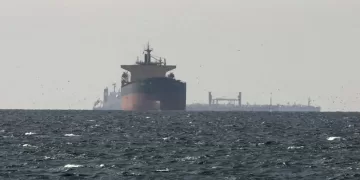
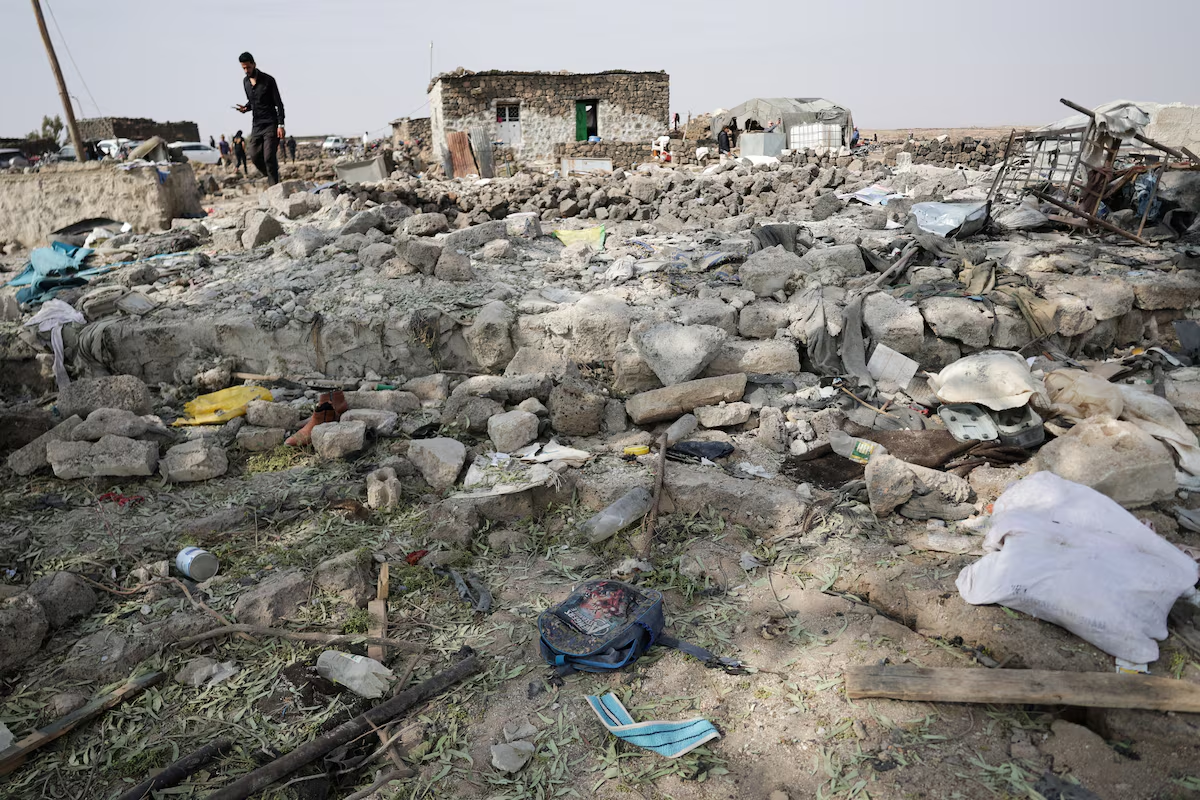
Three Qatari and Saudi commercial tankers came under fire earlier in the week, prompting the U.S. to hit Iranian sites, and Iran to respond with strikes on US military sites in Gulf states.
While Iran has not claimed responsibility for the ship attacks, analysts say Tehran uses such actions to gain leverage in negotiations.
Senior US officials told reporters on Friday that Iran had informed US officials that recent attacks on shipping in the strait were from an “errant part of their system”, comments that appeared to be aimed at calming tensions.
The flareup cast further doubt over the future of an interim agreement aimed at ending the conflict and pushed oil prices higher, a politically sensitive issue for Trump ahead of November congressional elections.

