




NEW YORK (Reuters) – A US judge questioned on Thursday the US government’s justification for blocking ousted Venezuelan president Nicolás Maduro from using the South American country’s funds to pay for his legal defence against US drug trafficking charges, but said he would not dismiss the case against him on that basis.
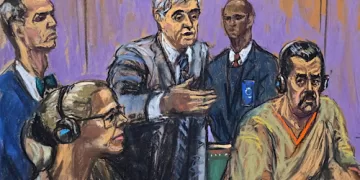
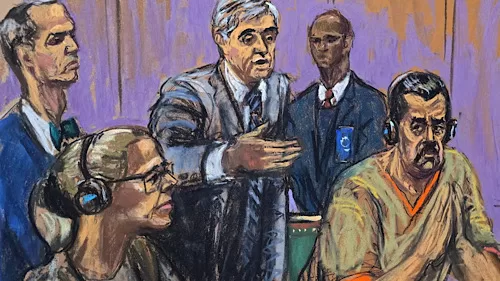
Maduro and his wife, Cilia Flores, wore beige prison garb to the hearing in Manhattan federal court more than two months after US military forces captured them in a surprise raid on Caracas and ferried them to New York.
Maduro, 63, and Flores, 69, have pleaded not guilty to charges including narcoterrorism conspiracy and are jailed in Brooklyn pending trial.
They had asked US District Judge Alvin Hellerstein to dismiss the charges, saying their inability to rely on Venezuelan public funds is interfering with their right to have a lawyer of their choosing under the Sixth Amendment of the U.S. Constitution.
Their lawyers have said Maduro and Flores cannot afford to pay their defense fees on their own.
Prosecutor Kyle Wirshba said the U.S. sanctions blocking the payments were based on existing national security and foreign policy interests. Hellerstein appeared skeptical of that argument, noting that the U.S. had relaxed sanctions on Venezuela since Maduro’s ouster.
“The defendant is here, Flores is here. They present no further national security threat,” said Hellerstein, a judicial appointee of Democratic President Bill Clinton. “The right that’s implicated, paramount over other rights, is the right to constitutional counsel.”
Pollack, who represented WikiLeaks founder Julian Assange, has said he wants to withdraw from the case if Hellerstein doesn’t dismiss the charges and the Venezuelan government cannot pay his fees. It was unclear how much Pollack is charging Maduro for his services. Pollack did not respond to a request for comment.
Earlier on Thursday, U.S. President Donald Trump told reporters that additional cases would be brought against Maduro, without offering details.

