




U.S. and Pakistani officials predicted that a long‑sought framework agreement to halt months of conflict between the United States and Iran would be signed on Sunday, though Tehran expressed uncertainty about the timing and hardline protesters in Iran voiced resistance.
President Donald Trump announced that the deal was slated for signing on Sunday, which also marks his 80th birthday. Pakistani Prime Minister Shehbaz Sharif said Islamabad was preparing for an electronic signing, to be followed by technical discussions in the coming week.
However, Iranian Foreign Ministry spokesperson Esmaeil Baghaei, speaking before Trump’s announcement, was quoted by state media on Saturday saying the signing would “not be tomorrow” but could take place “in the coming days.”
Iran’s Fars news agency, citing an informed source, reported on Sunday that Tehran had not yet reached a final decision on the framework agreement, noting that political, legal, and technical reviews were still underway among experts and senior officials.
Qatari negotiators traveled to Tehran on Sunday morning as part of ongoing efforts to complete the agreement, a source familiar with the situation told Reuters.
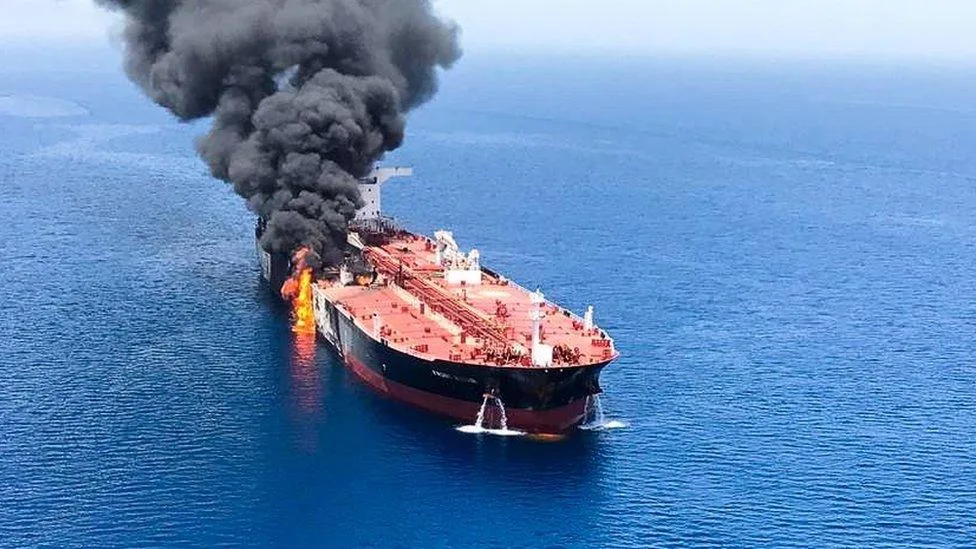
Trump wrote on Truth Social that once the framework is signed, the Strait of Hormuz—a crucial route for global oil shipments that Iran has blocked—would immediately be “open to all.”
Sources involved in the talks said that once the strait reopens, the United States would lift its naval blockade. Discussions over Iran’s nuclear program, which Trump has cited as a central justification for the war, would follow.
Although U.S. and Israeli airstrikes since February 28 have severely damaged Iran’s military‑industrial infrastructure and weakened its armed forces, analysts say the conflict has only strengthened the influence of the hardline Islamic Revolutionary Guard Corps.
At the outset of the war, Trump urged Iranians to rise up and seize control of state institutions.
Despite signs of progress toward an agreement in recent days, clashes have persisted as the U.S. military maintains a blockade of Iran and attempts to ease Iran’s control over the Strait of Hormuz, which previously carried 20% of the world’s oil shipments before the conflict.

