


The US is temporarily easing some sanctions on Russian oil shipments, reflecting global concerns over sharply higher crude prices due to supply shortages stemming from the Iran war.
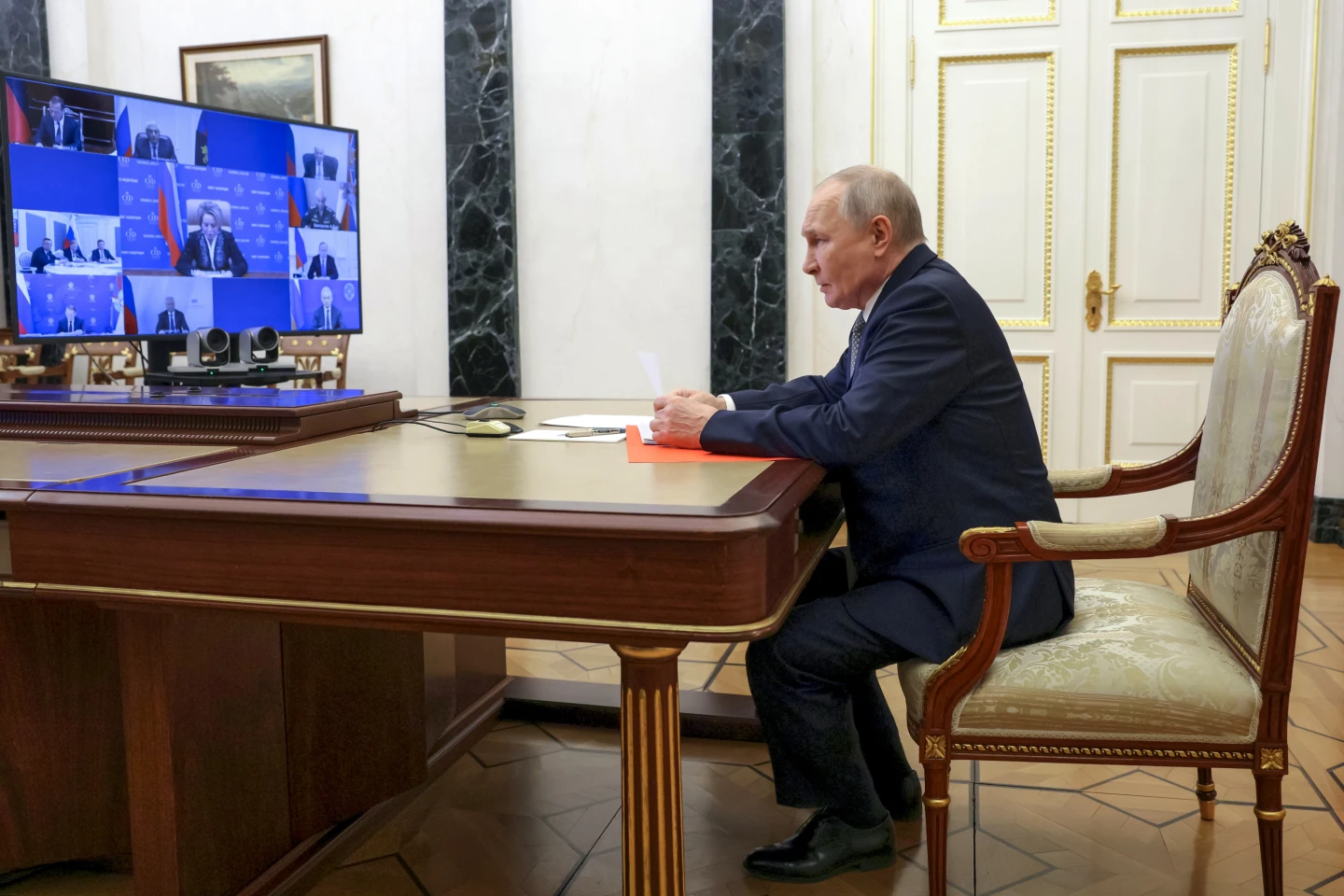
The move, intended to soothe jittery markets over the disruption of Middle Eastern oil and gas supplies, underlines how the war has boosted Moscow’s ability to profit from its energy exports, a pillar of the Kremlin’s budget as it presses its attack on Ukraine.
US sanctions will not apply for 30 days on deliveries of Russian oil that’s been loaded on tankers as of Thursday, US Treasury Secretary Scott Bessent said on X. That would give reluctant purchasers a green light to take the oil without worrying that they will run afoul of US sanctions rules.
The Trump administration earlier had granted a 30-day reprieve to refineries in India.
Bessent said the “narrowly tailored, short-term measure” was part of President Donald Trump’s “decisive steps to promote stability in global energy markets” and to “keep prices low.”
Allowing the sale of stranded Russian oil would provide no additional financial benefit for the Russian government because the Kremlin already taxed the oil when it was extracted from the ground, Bessent said. Washington has sanctioned Russia’s two biggest oil companies, Lukoil and Rosneft, as part of efforts to end the fighting in Ukraine. Except for the 30-day reprieve for floating oil, those sanctions remain in place.
Kremlin spokesman Dmitry Peskov said Friday the move will help stabilize global energy markets, adding it was impossible to do so “without significant volumes of Russian oil.”
But Ukrainian President Volodymyr Zelenskyy said the action “does not help peace.”
“This easing alone by the United States could provide Russia with about $10 billion for the war,” Zelenskyy said. “It spends the money from energy sales on weapons, and all of this is then used against us.”
Oil prices stayed high after the announcement
The price of international benchmark Brent crude eased after the announcement but soon rose again, breaking through $100 to trade at $103.24 per barrel as of 18:00 GMT (2 pm EDT) Friday. That is still well above $72.87, where Brent traded on Feb. 27, the eve of the war.
The fighting has choked off most tanker transport through the Strait of Hormuz at the mouth of the Persian Gulf, through which 20% of the world’s oil supply typically passes. That has dealt a massive energy shock to the global economy and threatened increased inflation around the world.
“In the short term this slightly increases available supply on the global market, which helps contain the current spike in oil prices,” said Simone Tagliapietra, an energy expert at the Bruegel think tank in Brussels. “The impact on prices should therefore be modestly downward, or at least stabilising.”
Analysts estimate about 125 million barrels of Russian oil are currently being shipped. That equals five or six days’ worth of normal shipments through the Strait of Hormuz, or a bit over one day’s worth of global consumption of about 101 million barrels per day.

