


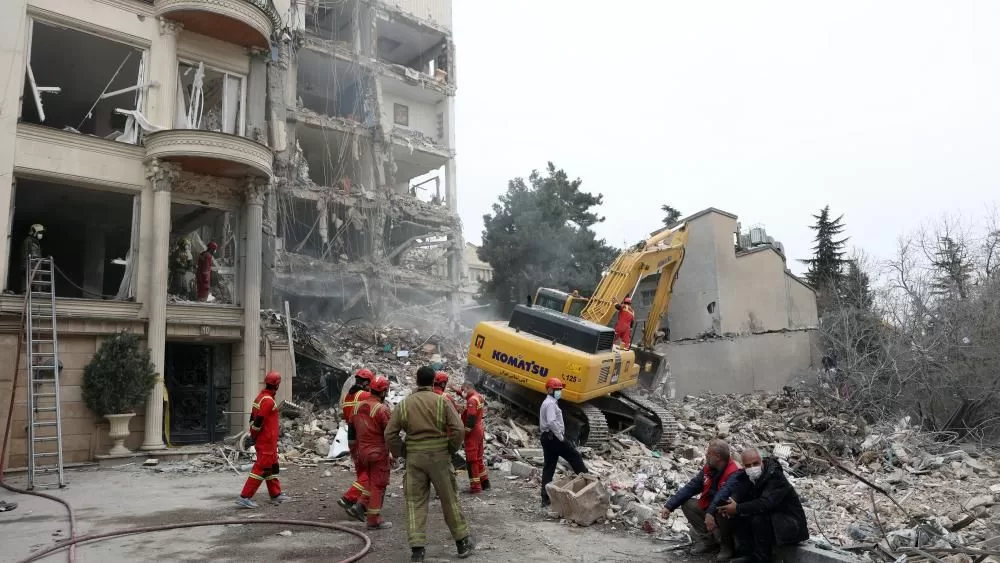
US President Donald Trump claims Iran is desperate for a deal to end nearly four weeks of fighting, contradicting the Iranian foreign minister who says Tehran is reviewing a US proposal but has no intention of holding talks to wind down the war.
The conflicting statements came as the economic and humanitarian toll of the war mounted, with fuel shortages spreading worldwide, sending companies and countries scrambling to contain the fallout.
Iranian Foreign Minister Abbas Araqchi said while there had been no dialogue or negotiation with the US, various messages had been exchanged through intermediaries.
“Messages being conveyed through our friendly countries and us responding by stating our positions or issuing the necessary warnings is not called negotiation or dialogue,” Araqchi said in a state television interview on Wednesday.
Trump, speaking later on Wednesday at an event in Washington, said Iranian leaders “are negotiating, by the way, and they want to make a deal so badly, but they’re afraid to say it because they will be killed by their own people. They’re also afraid they’ll be killed by us.”
Even if they happen, any negotiations would likely prove very difficult, given the maximalist positions laid out by both sides.
A 15-point US proposal to end the conflict, sent to Iran via Pakistan, includes demands ranging from dismantling Iran’s nuclear program and curbing its missiles to effectively handing over control of the Strait of Hormuz, according to sources and reports.
But Iran has hardened its stance since the war began, demanding guarantees against future military action, compensation for losses, and formal control of the Strait, Iranian sources say.
It also told intermediaries that Lebanon must be included in any ceasefire deal, regional sources said.
Trump has not identified who the US is negotiating with in Iran, with many high-ranking officials among the thousands of people killed across the Middle East since the US and Israel attacked Iran on February 28.
Iran has since launched strikes against Israel, US bases and Gulf states.
On Thursday, Iran launched multiple waves of missiles at Israel, triggering air raid sirens in Tel Aviv and other areas and injuring at least five people.
Israel’s military said it had completed a wide-scale wave of strikes targeting infrastructure in Iran.
Iranian supreme leader Ayatollah Ali Khamenei was killed on the first day of the conflict by an Israeli strike and was replaced by his son Mojtaba, who has been wounded in strikes and not been seen since his appointment.

