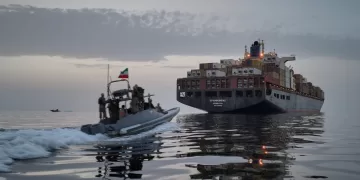








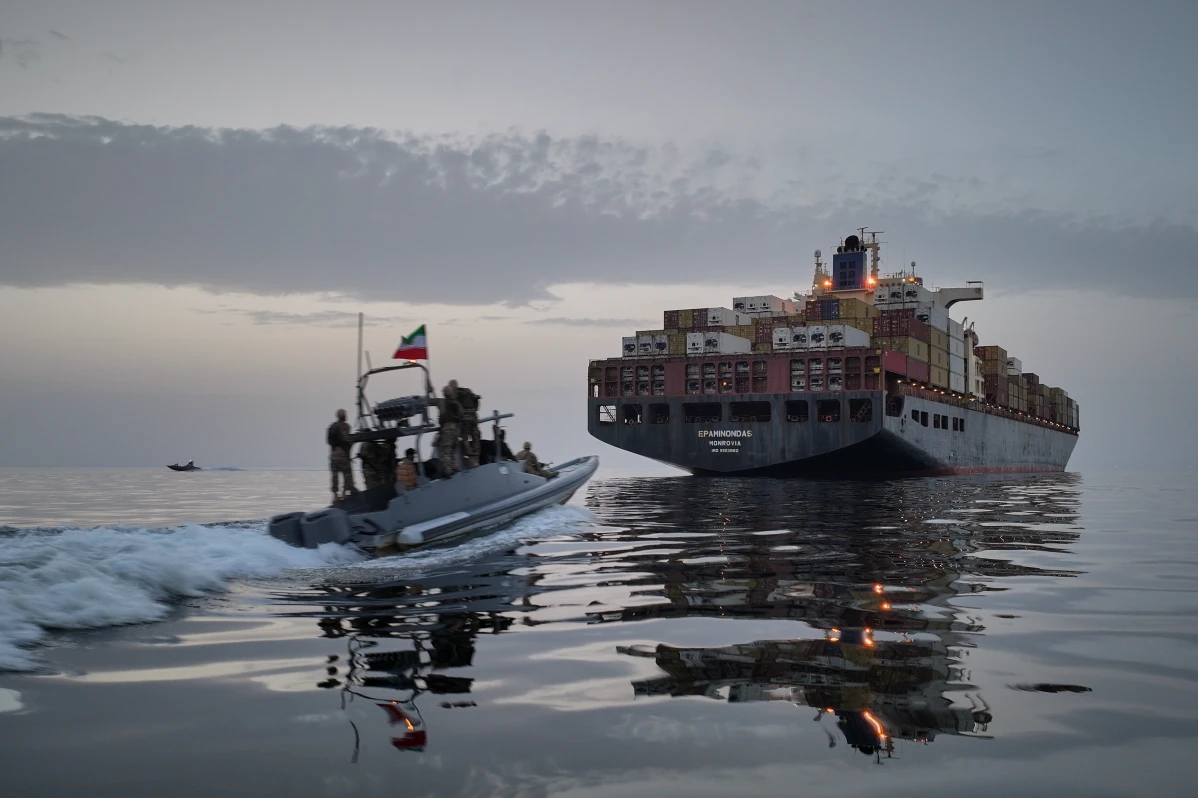
Even as Iran squeezes world energy supplies with its chokehold on the Strait of Hormuz, its own oil industry is increasingly being threatened by an American blockade.With no way to export the oil it is pumping out and diminishing room to store it at home, Iran may be forced to dramatically reduce or cease production from some of its wells, perhaps beginning in as little as two weeks, experts say.
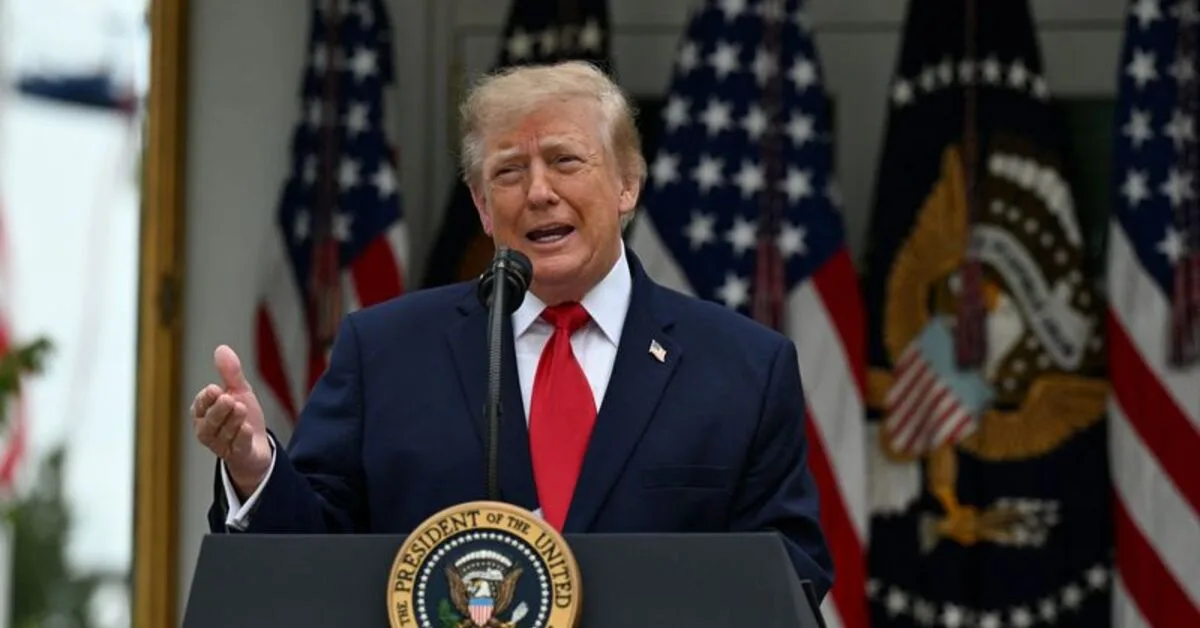
The situation likely isn’t as dire as US President Donald Trump recently described, colorfully suggesting pipelines could start exploding within days.
But once shut down, production from the aging wells may not be restarted so easily, if at all, undermining Iran’s future oil output.
Iran appears to have begun dialing back production already, analysts say, to avert outright shutdowns.
The pressure is building as the US Treasury Department ratchets up sanctions on Iranian oil shipments already at sea.
The US military has seized at least two tankers off Asia believed to be carrying Iranian oil.
With its oil trade constrained, Iran is seeing less hard currency flow back into an economy mauled by weeks of war, months of unrest and decades of international sanctions.
But with fewer tankers shipping Iranian oil, the effects of the Strait of Hormuz shutdown are only being magnified, leading to shortages of jet fuel and rising gasoline prices around the world.
Iran’s leaders “are really resisting” shutting down oil wells because of how painful that would be long-term, said Miad Maleki, a former sanctions expert at the US Treasury who is now a senior fellow at the Washington-based Foundation for Defense of Democracies.
“They’ve been under sanctions, they’ve been isolated for 47 years now. Those oil wells are not maintained well.
Their machinery is not maintained well,” Maleki said.
Once shut off, he added, the wells won’t easily “snap back after a few months.”

