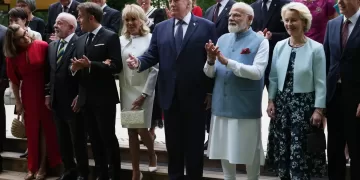
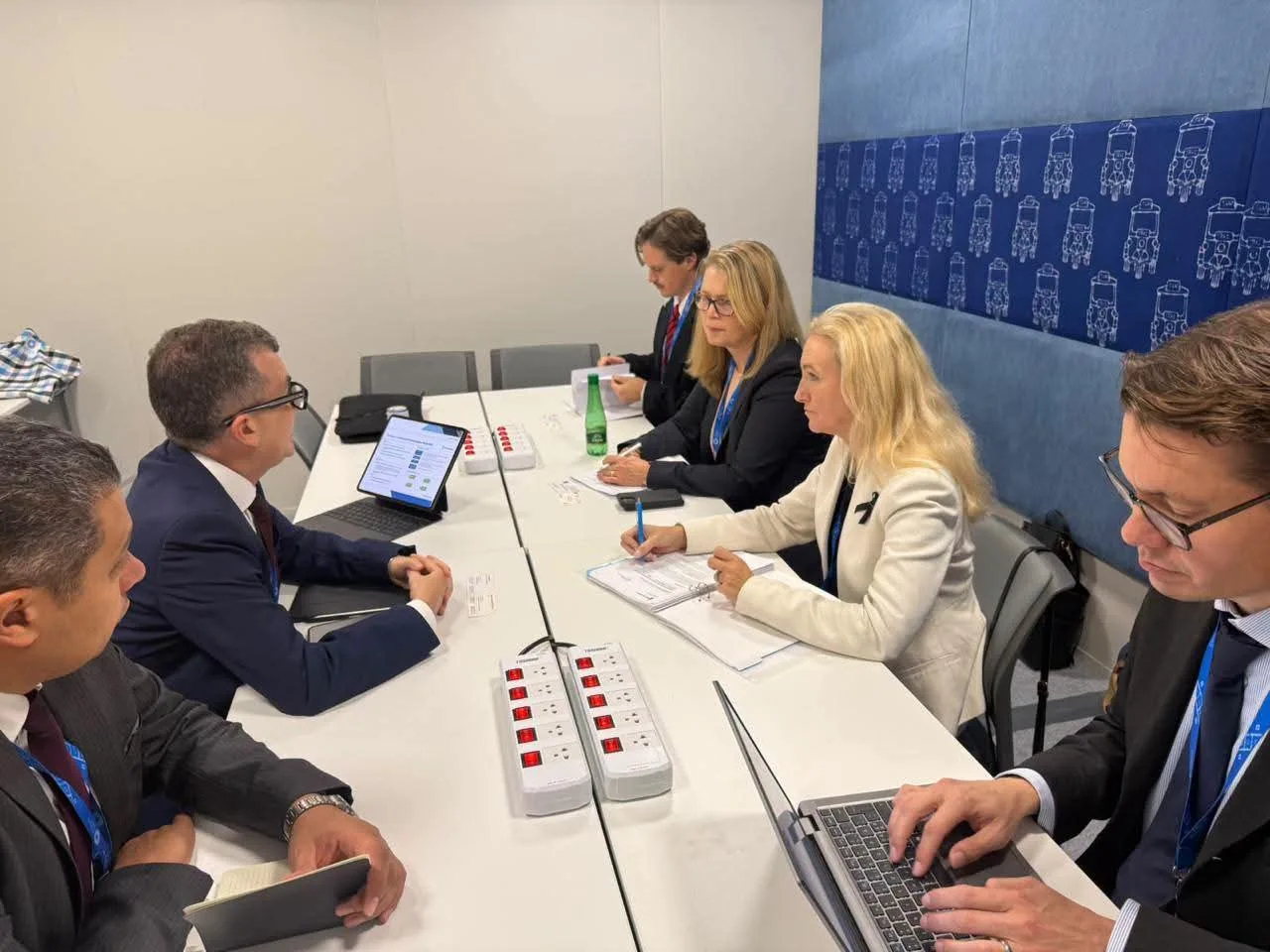





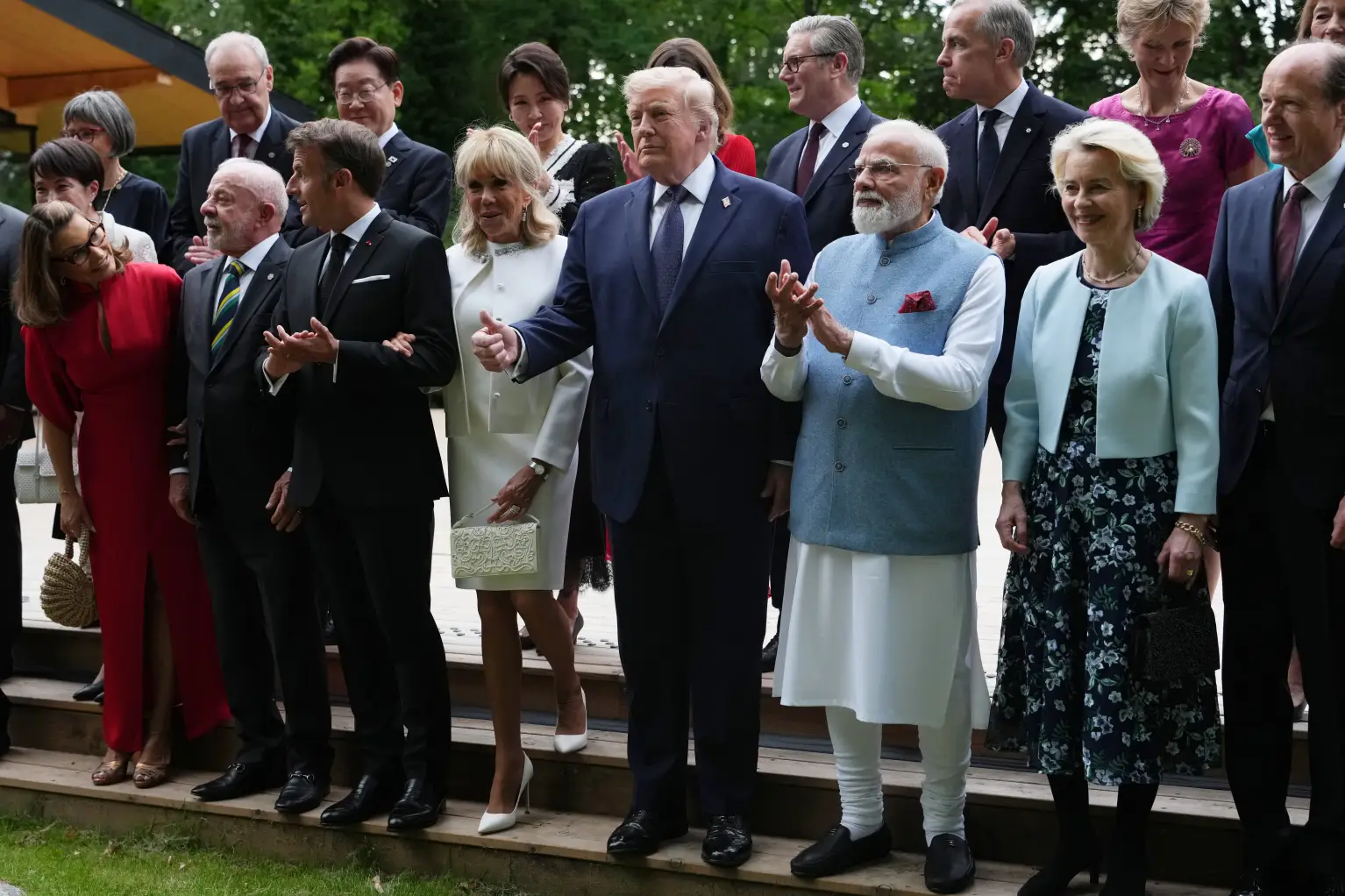
Leaders at the Group of Seven summit on Wednesday threw their support behind US President Donald Trump’s tentative agreement with Iran to open the Strait of Hormuz and further extend a shaky ceasefire — even though he’s offered scant specificity about how that would be implemented.
In a declaration issued overnight, the leaders called the deal a “historic opportunity to prevent Iran from acquiring any nuclear weapon and tackling the threats related to its regional and ballistic activities.” The leaders said that they were “ready to contribute to its implementation,” although neither the White House nor Iran has released the text of the agreement.
Trump and his fellow leaders were closing the formal talks of the leading industrial democracies at a lakeside resort in the French Alps on Wednesday with sessions on the future of artificial intelligence and fostering economic growth.
The U.S. leader then plans to make a stop for a glitzy dinner at the Palace of Versailles outside of Paris before he jets back to Washington.
But first, Trump finds himself trying to quell skepticism about the Iran agreement and also faces jitteriness from key ally Israel about ending the conflict under these terms.
“It’s a great document,” Trump said of the memorandum that has yet to be revealed, even though U.S. and Iranian officials are set to formally sign it at a ceremony on Friday at a stunning resort on Switzerland’s Lake Lucerne.
“Here’s what it says: Iran will never have a nuclear weapon. It won’t have one to buy, to develop — it will not have a nuclear weapon. And I would say that’s about 99.9% of what I wanted,” he said.While G7 leaders gave it their backing, Trump still has to sell the deal to some members of his own party who doubt it will defang Iran’s nuclear program. At the same time, he faces an anxious international community looking for him to follow through on his promise that the deal will reopen the Strait of Hormuz to oil tanker traffic, and keep it open.
The leaders meeting in the Alps said that an international maritime mission led by France and the U.K. “can play an important role to facilitate the resumption of maritime traffic in the Strait of Hormuz by protecting merchant vessels, reassuring commercial shipping operators, and supporting verification that all mines are removed.”
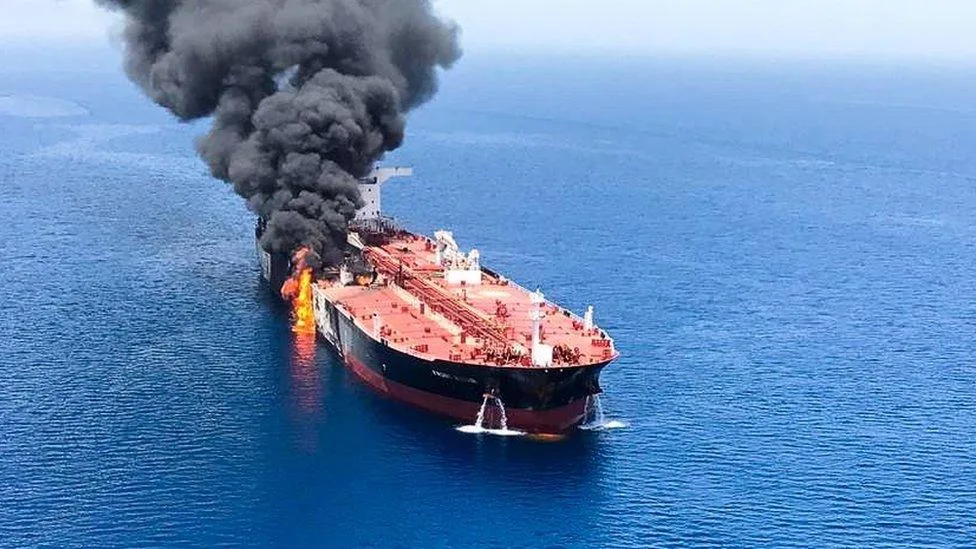
Before the Iran war, a fifth of all oil and natural gas traded passed through the Strait of Hormuz, a maritime chokepoint that Iran has effectively shuttered since the first days of the conflict that began on Feb. 28.
White House and Iranian officials have sometimes offered contradictory interpretations of what is in the agreement.
Iranian Foreign Minister Abbas Araghchi said Israel’s continued occupation of southern Lebanon, where Israeli forces have been targeting Iran-backed Hezbollah militants, would violate the deal.
“Without the withdrawal of Israeli forces from the territories they occupied during this war, the war has not fully come to an end,” Araghchi said.

