



DUBAI/WASHINGTON (Reuters) – US President Donald Trump urged Iran on Wednesday to ‘get smart soon’ and sign a deal, following days of deadlock in efforts to end the conflict and a media report that the US would extend its blockade of Iran’s ports.
In a post on Truth Social, Trump, who has said Iran can call if it wants to talk and has stressed repeatedly that Tehran cannot have a nuclear weapon, said the country “couldn’t get its act together”.
The Wall Street Journal cited US officials as saying the president had instructed aides to prepare for an extended blockade of Iran’s ports in a bid to force Tehran to capitulate.
Officials said Trump had opted to continue squeezing Iran’s economy and oil exports with the blockade as his other options – resuming bombing or walking away from the conflict – carried more risk, according to the WSJ.
“They don’t know how to sign a nonnuclear deal. They’d better get smart soon!” Trump said in Wednesday’s post, without explaining what such a deal would entail.
Iran wants some kind of US acknowledgment of its right to enrich uranium for what it says are peaceful, civilian purposes.
It has a stockpile of roughly 440 kilograms (970 pounds) of uranium enriched to 60 per cent, material that could be used for several nuclear weapons if further enriched.
Iranian officials said on Tuesday the country could withstand the blockade as it was using alternative trade routes, and the Islamic Republic did not consider the war over.
The conflict has killed thousands, thrown energy markets into turmoil and disrupted global trade routes.
In a sign of the economic toll the war is taking on Iran’s economy, its currency fell to a record low of 1,810,000 rials to the US dollar on Wednesday, the Iranian Student News Agency said, as demand for foreign currency that built up during six weeks of fighting is now flowing into the open market.
The rial has seen its value fall by nearly 15 per cent in the last two days alone, ISNA reported.
Inflation for the Iranian month running from March 20 to April 20 was 65.8 per cent, the central bank said, a trend which is likely to be exacerbated by the currency’s plunge.
Iran’s most recent offer for resolving the two-month war, suspended since April 8 under a ceasefire agreement, would set aside discussion of its nuclear programme until the conflict is formally ended and shipping issues resolved.
However, that proposal did not meet Trump’s demand to have the nuclear issue discussed from the outset.
US intelligence agencies, at the request of senior administration officials, are studying how Iran would respond if Trump were to declare a unilateral victory in the two-month-old war that has become a liability for the White House, two US officials and a person familiar with the matter told Reuters.
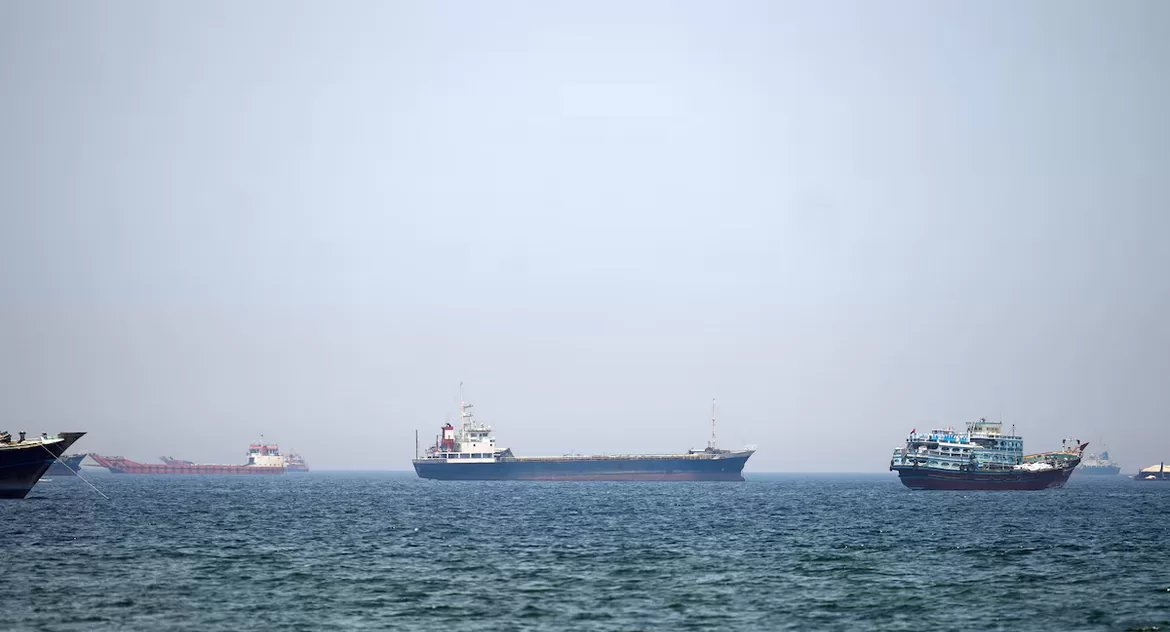
Tehran has largely blocked all shipping apart from its own from the Gulf through the Strait of Hormuz, a chokepoint for global energy supplies, since the war began on February 28.
This month, the US began blockading Iranian ships.

