







Farmers around the world are feeling the squeeze of the Iran war.
Gas prices have shot up and fertiliser supplies are waning due to Tehran’s near shutdown of the Strait of Hormuz in retaliation for US and Israeli bombing.
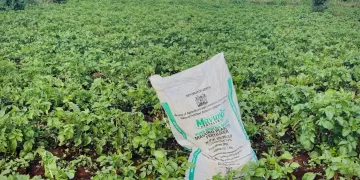
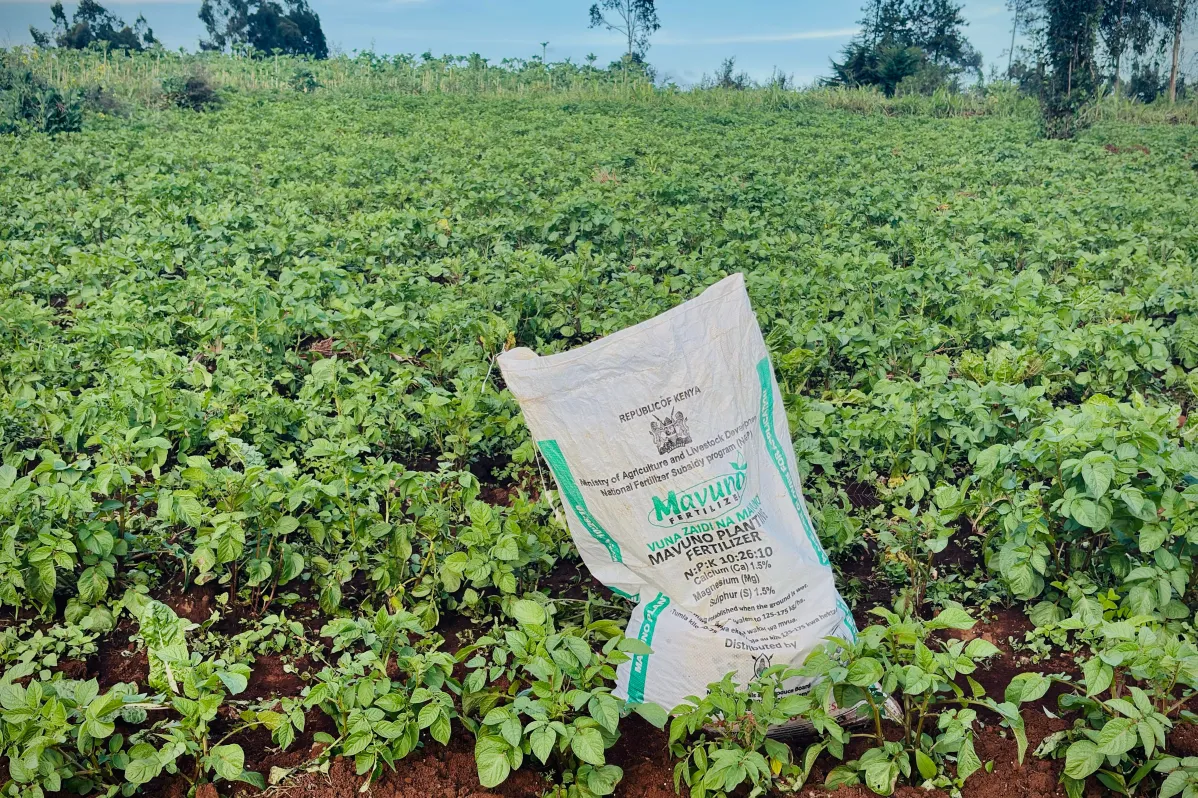
The fertiliser shortage is putting the livelihood of farmers in developing countries — already troubled by rising temperatures and erratic weather systems — further at risk, and could lead to people everywhere paying more for food.
The poorest farmers in the Northern Hemisphere rely on fertiliser imports from the Gulf, and the shortage comes just as planting season begins, said Carl Skau, deputy executive director of the World Food Programme.
“In the worst case, this means lower yields and crop failures next season. In the best case, higher input costs will be included in food prices next year.”
Baldev Singh, a 55-year-old rice farmer in Punjab, India, says smallholders — the bulk of the country’s farmers — may not survive if the government cannot subsidise fertilisers when demand peaks in June.
“Right now, we are waiting and hoping,” he said.
Iran is seriously limiting shipments through the Strait of Hormuz, a narrow passage that usually handles about a fifth of the world’s oil shipments and nearly a third of global fertiliser trade.
Nitrogen and phosphate — two major fertiliser nutrients — are under immediate threat from the blockade.
Supplies of nitrogen including urea, the most widely traded fertiliser that helps plants grow and boosts yields, are the hardest hit because of shipping delays and the soaring price of liquefied natural gas — an essential ingredient.

