






All ships can sail through the Strait of Hormuz but this needs to be coordinated with Iran’s Islamic Revolutionary Guard Corps (IRGC), a senior Iranian official told Reuters, adding that unfreezing Iranian funds was part of the deal.
Foreign Minister Abbas Araqchi wrote on X that the strait was open after a ceasefire accord was agreed in Lebanon, while US President Donald Trump said he believed a deal to end the Iran war would come “soon,” although the timing remains unclear.
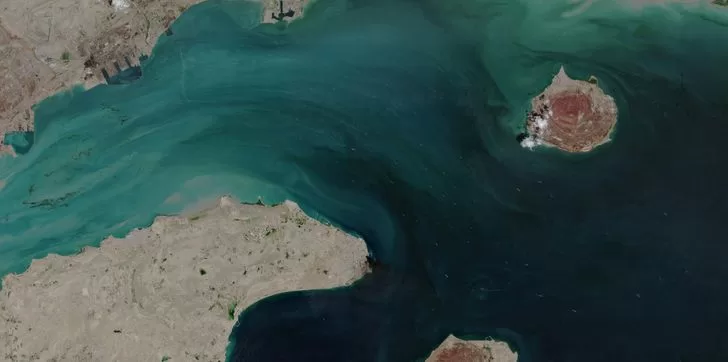
Hundreds of ships and 20,000 seafarers have remained stranded inside the Gulf waiting to pass through the key waterway, which handles about 20 percent of the world’s oil and liquefied natural gas flows.
The Iranian official said transits would be restricted to lanes that Iran deemed safe, adding that military vessels were still prohibited from crossing the strait.
“Releasing Iran’s funds was part of the agreement for reopening the strait,” the official noted, referring to an estimated $30 billion in frozen revenue, generated mainly from oil and gas exports, blocked amid US sanctions on Tehran.
It was not immediately clear if this included or excluded the established Traffic Separation Scheme (TSS) lanes for entering and exiting the Gulf used by international shipping since the 1970s.
“Even US vessels would be permitted, excluding military ships,” he said.
The official added that certain routes through Hormuz would remain open, but added that those would need to be determined as secure by Iran.

