


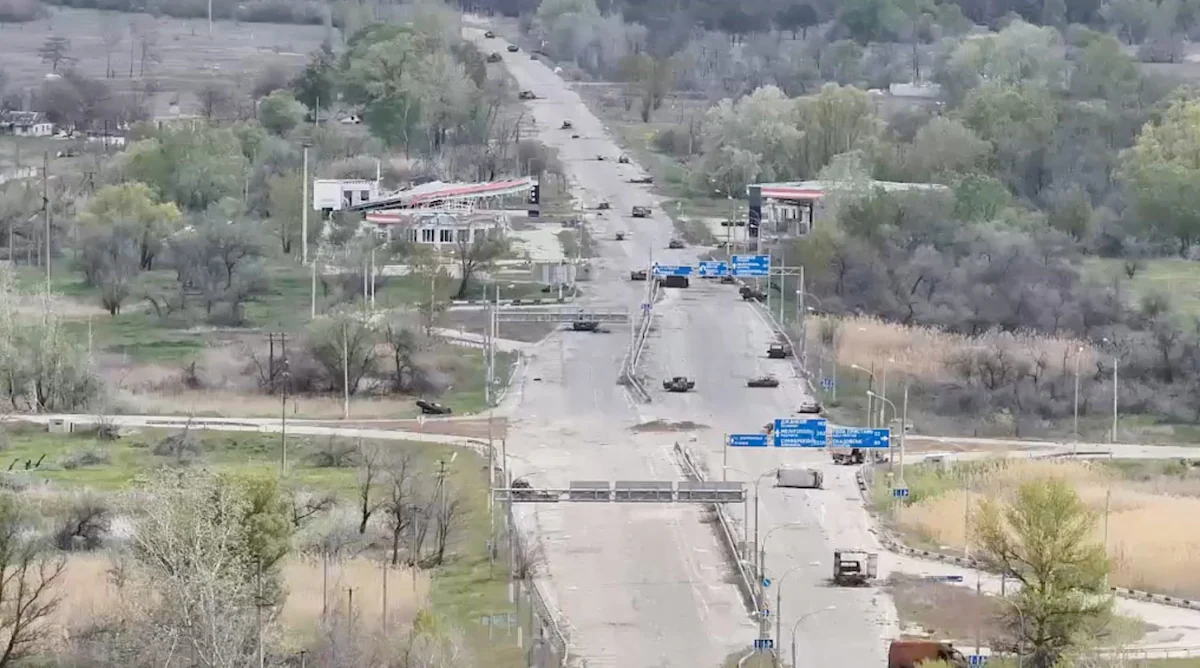



In Russia’s grain belt, farmers fret they will be unable to harvest their crops as a fuel crisis sparked by Ukraine’s drone attacks on oil refineries and depots disrupts daily life.
As Kyiv tries to pressure Moscow into making peace with strikes on the country’s energy infrastructure, the resulting damage has squeezed oil-rich Russia’s fuel supplies, leading to restrictions in most regions and growing public disquiet.
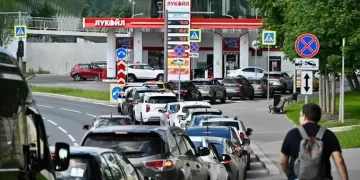
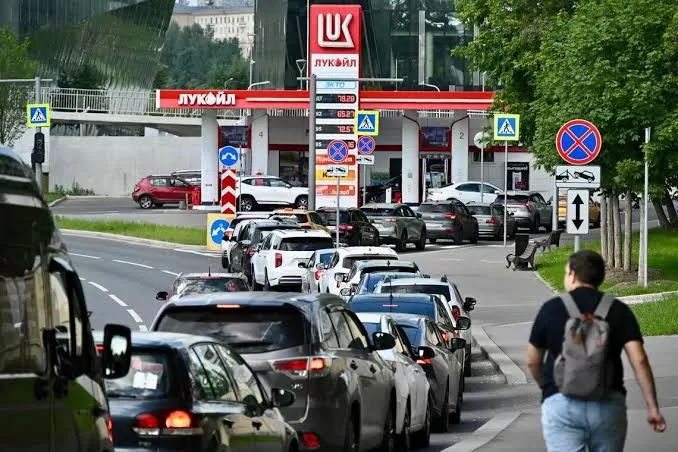
This has pushed drivers to crowdsource maps and trade tips about which stations have fuel and shorter lines.
The shortage has also frayed tempers, with drivers shown in footage on social media getting into fights as they wait to refuel.
In one video, titled ‘The Ultimate Luxury 2026,’ a man slowly pours petrol into his lawnmower from a jerry can and jokes: “What riches. Who can afford this now?”
Meanwhile, online searches for “how to siphon fuel” rose to more than 9,300 by June 21 from 697 a month earlier, website iPhones.ru said, citing Yandex data.
In some regions, retail gasoline prices have risen to some of the highest levels in Europe, Reuters calculations show.
Gasoline prices in Sevastopol, the largest city in Russian-controlled Crimea, jumped 30% in the last week alone, state statistical agency Rosstat said on Wednesday.
While average gasoline prices in Russia stood at 72.38 roubles ($0.9256) per litre as recently as last week, Rosstat said, some stations in regions hit by shortages showed prices of $2.42 per litre, according to Reuters witnesses.
Evidence of the widening impact of Kyiv’s campaign is uncomfortable for authorities in Russia, which has repeatedly attacked Ukraine’s energy infrastructure since launching what it calls its special military operation in 2022, leaving large numbers of Ukrainians without power or heating during winter.
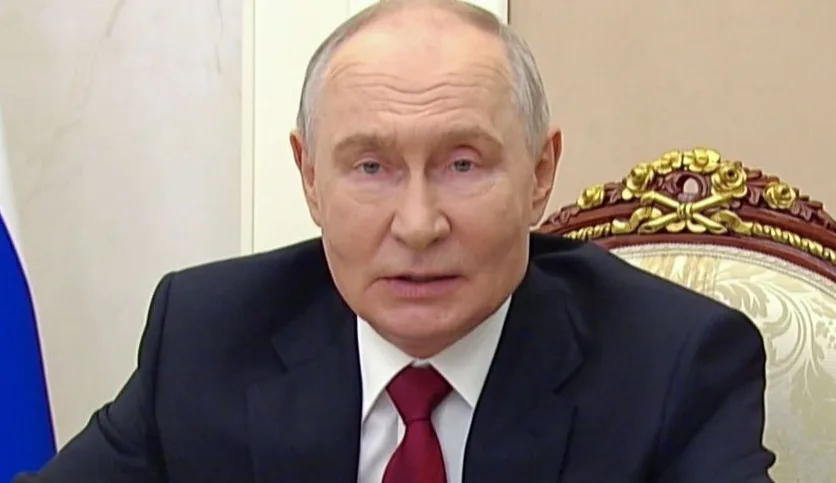
Moscow initially played down fuel shortages as localised bottlenecks, but on Sunday President Vladimir Putin acknowledged there were issues and promised measures to stabilise the market.

