




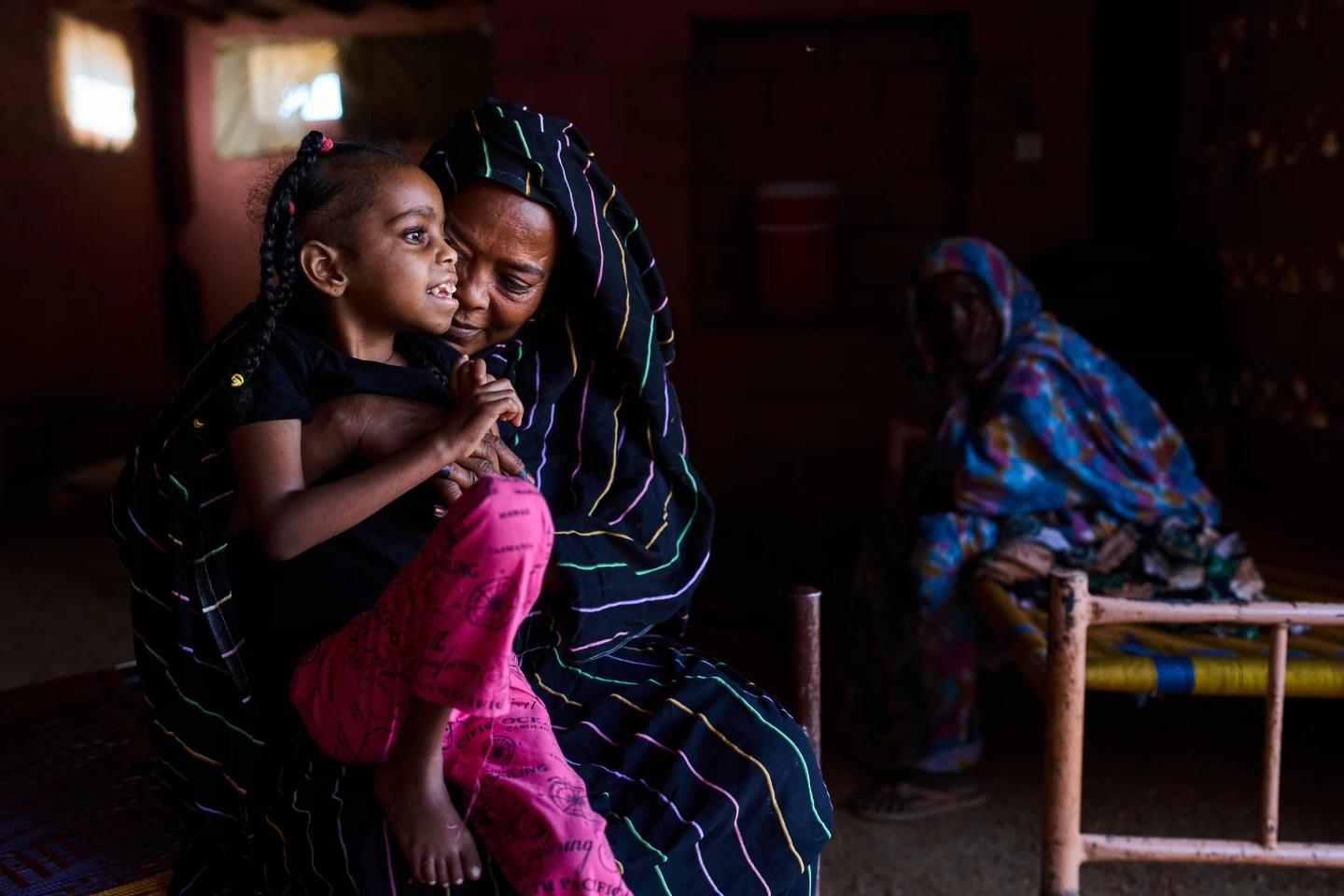
It’s always been challenging for Abbas Awad to find medicines in his village outside Sudan’s capital. But since the war in Iran, it’s become harder. Prices have spiked and many pharmacies in the area are out of stock.
The latest war in the Middle East has far-reaching effects, including on countries ravaged by conflicts of their own.
After three years of war in Sudan, a public health clinic in Qoz Nafisa village in Khartoum state is struggling to support thousands of people like the 61-year-old Awad.
He said he has been spacing out his medicine for glaucoma, worried he won’t be able to find more or afford it when he does. Money was already an issue because of the war at home, he said.
“Now we have the problem of the war in the Middle East. It’s just made things worse,” he said.
Aid groups say the Iran war has cut off vital shipping routes, upending their ability to get food and medicine to millions of people around the world in need. The standoff between the United States and Iran has essentially shut down the Strait of Hormuz, and other routes from strategic hubs such as Dubai also have been impacted.
Transport costs have spiked with higher fuel and insurance rates, further straining the ability to deliver supplies. The United Nations says there’s been up to a 20% cost increase on shipments, along with delays, as goods are rerouted.
The International Rescue Committee, which supports the clinic where Awad gets some of his medicines, said about $130,000 worth of pharmaceuticals intended for Sudan was stranded in Dubai for weeks and only now is making its way there.
The IRC says medicines and supplies such as antibiotics, painkillers and stethoscopes that were supposed to be flown from the United Arab Emirates to Port Sudan were instead transported by road to neighboring Oman and then flown out.
US President Donald Trump this week extended the fragile ceasefire with Iran, but aid groups worry little will change.

