










LONDON (Reuters) – Keir Starmer’s Labour Party suffered heavy early losses in local elections on Friday, showing the depth of voter anger with the British prime minister and increasing doubts about his future just two years after a landslide victory in a national vote.
Labour haemorrhaged support in areas reporting early results, including in traditional strongholds in former industrial regions of central and northern England, along with some parts of London.
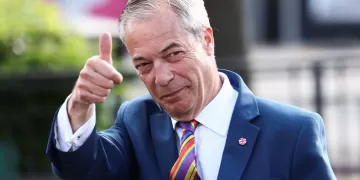
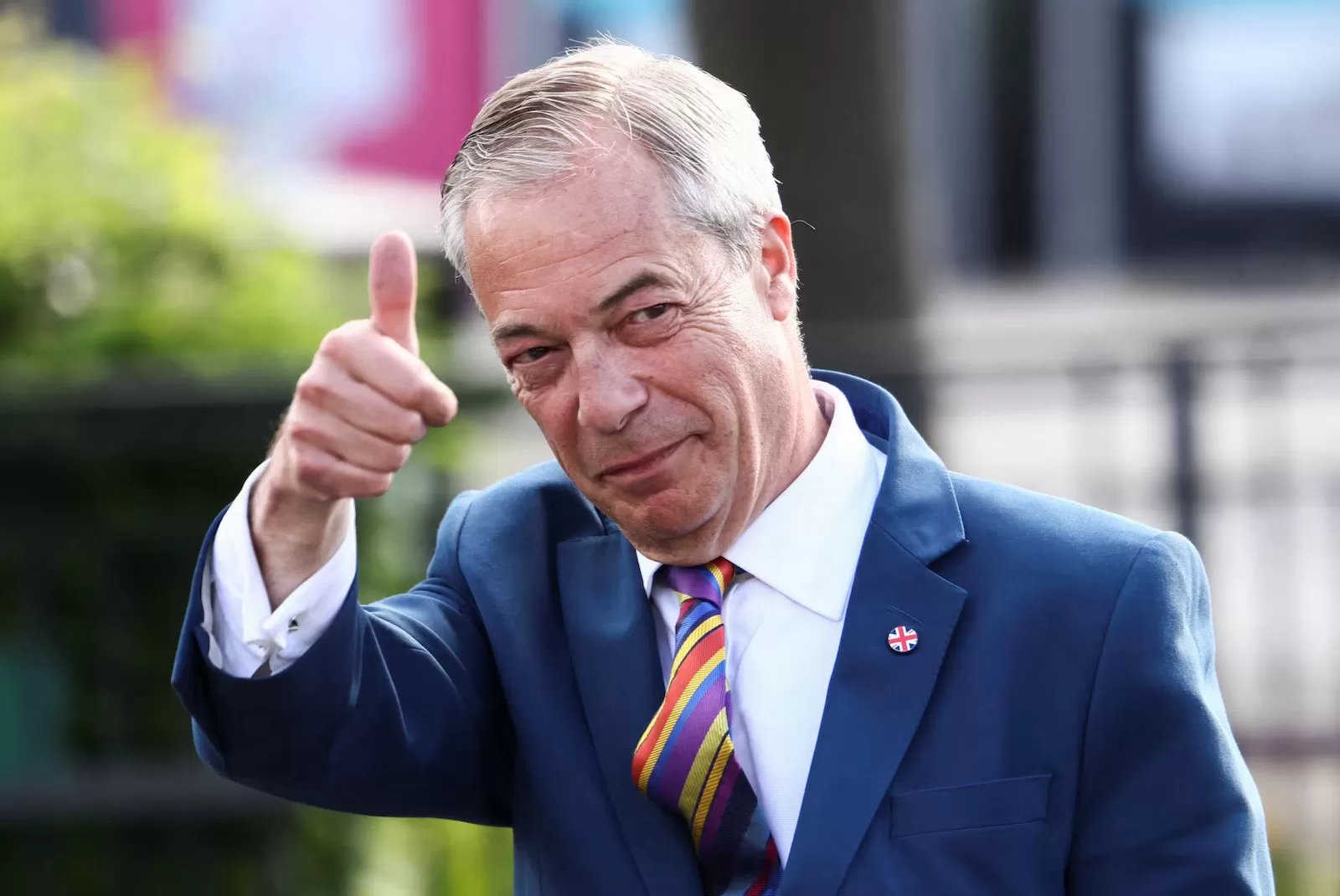
The main beneficiary was the populist Reform UK party of Brexit campaigner Nigel Farage, which gained more than 300 council seats in England, and could form the main opposition in Scotland and Wales to the pro-independence Scottish National Party and Plaid Cymru.
“The picture has been pretty much as bad as anyone expected for Labour, or worse,” said John Curtice, Britain’s most respected pollster.
The elections for 136 local councils in England, alongside the devolved parliaments in Scotland and Wales, are the most significant test of public opinion before the next general election due in 2029.
Some Labour lawmakers have said if the party performs poorly in Scotland, loses power in Wales, and fails to hold many of the roughly 2,500 council seats it is defending in England then Starmer will face renewed pressure to quit or at least set out a timetable for his departure.
But Starmer’s allies were quick to support the prime minister, saying it was not the time to move against him.
Defence Minister John Healey said the last thing voters wanted was “the potential chaos of a leadership election”.
“I think he can still deliver, he can still turn it round,” Healey told Times Radio.

