








Over the past two and a half years, Israel has taken control of swaths of Gaza, Lebanon and Syria that amount to its biggest expansion of militarily occupied lands in decades.
It is an area larger than many major cities — roughly 1,000 square kilometres (386 square miles) — and Israel has said it plans to stay indefinitely.
The land seizures began in the aftermath of Hamas’ 2023 cross-border attack, which ignited wars on multiple fronts.
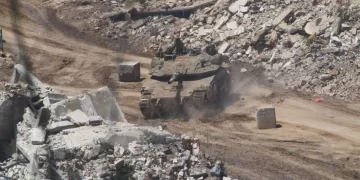
The Israeli military took over large portions of Gaza as part of a broad invasion, and later seized control of chunks of Lebanon and Syria.
Israel calls these areas “buffer zones” and says they are needed to prevent future attacks by militant groups.
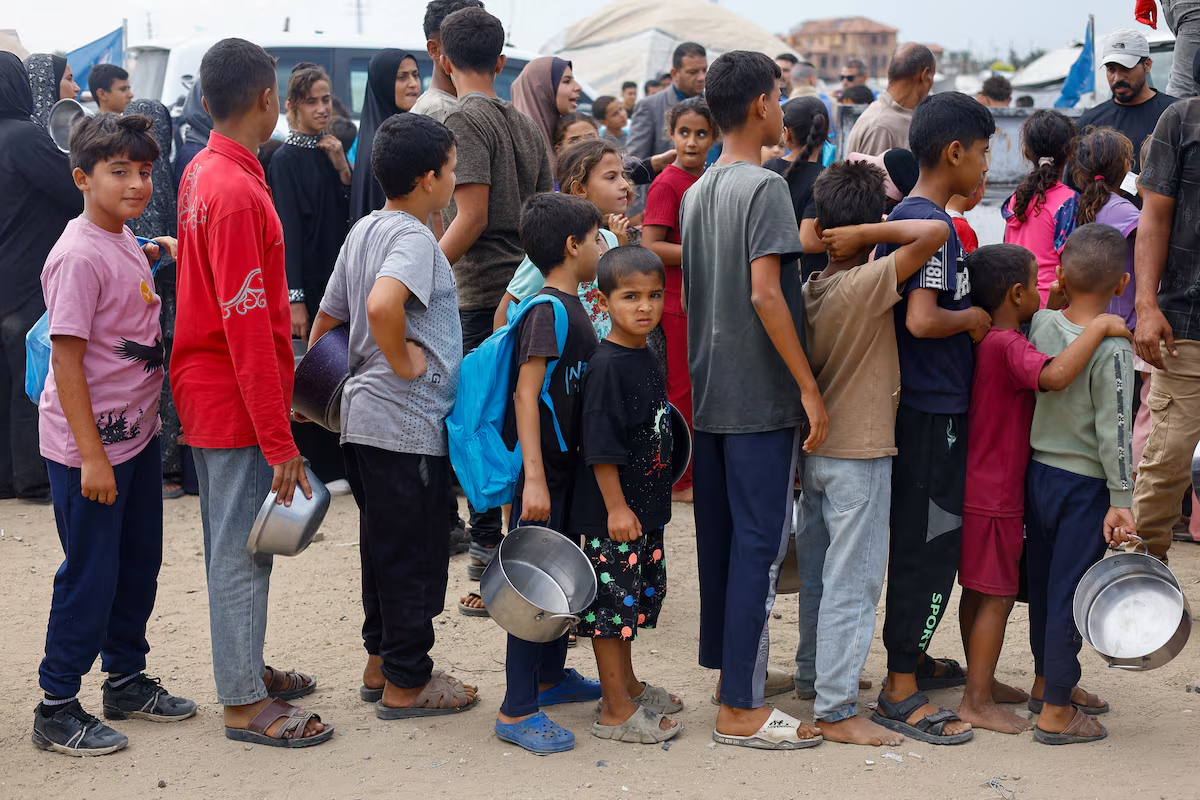
In Gaza and Lebanon, Israeli land seizures and evacuation warnings have pushed out more than 3 million people, and troops have demolished towns and neighbourhoods, creating large depopulated zones.
The “buffer zones” — equivalent to roughly 5 per cent of Israel’s area soon after its founding — are not new borders, which require an agreement between two countries.
But many fear these changes could become long-lasting.
Iran has made Israel’s withdrawal from Lebanon a condition for ending its war with the U.S.Since its founding in 1948, Israel has never had clear borders.
Its boundaries have shifted through wars, annexations, ceasefires and peace agreements.

