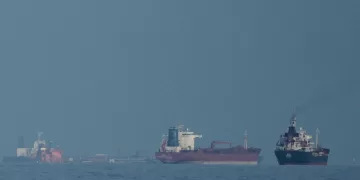






Iran said Saturday it was reimposing restrictions on transit through the Strait of Hormuz, blaming the move on a U.S. blockade of Iranian ports and signaling a return to tight controls over one of the world’s most important shipping lanes.
The announcement came hours after vessel-tracking data showed the first major convoy of tankers moving through the strait since the conflict began, underscoring the fragility of the latest diplomatic opening.
In a statement, Iran said a limited number of commercial ships and oil tankers had been allowed to pass under earlier understandings reached in negotiations, but accused the United States of “piracy” under the guise of a blockade. It said control of the strait had been restored to its previous status and that the strategic waterway would remain under close Iranian supervision unless Washington lifted restrictions on ships traveling to and from Iran. The Associated Press separately reported that Iranian officials said passage would remain conditional and subject to new rules.
The renewed restrictions followed a weekend of conflicting signals from President Donald Trump, who said he had secured everything he wanted from Tehran: the full reopening of the Strait of Hormuz, a commitment that Iran would allow enriched uranium to be removed, and an end to Iranian support for proxy groups in the Middle East. Iran rejected those claims. Iranian Parliament Speaker Mohammad Bagher Ghalibaf accused Trump of making multiple false statements and said Tehran would not be swayed by what he described as media warfare and efforts to shape public opinion.

