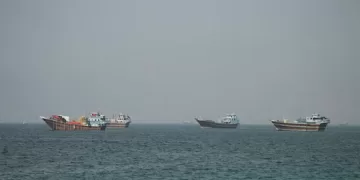




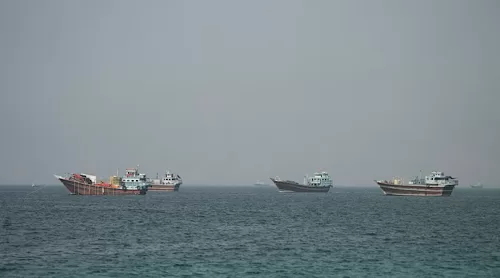
Iran on Friday reaffirmed its authority over shipping in the Strait of Hormuz and cautioned Gulf nations against aligning themselves with the United States, a day after an attack on a vessel near Oman underscored the fragility of a tentative agreement aimed at ending the Iran war.
Tehran’s remarks were a response to what it described as an “interventionist, irresponsible and provocative” joint statement from the U.S. and six Gulf states rejecting Iran’s claim that it has the right to impose tolls on ships passing through the strait.
“Safe passage through the Strait of Hormuz cannot be assured under vague arrangements, alternative routes, or decision-making processes that ignore Iran’s status as a coastal state,” Deputy Foreign Minister Kazem Gharibabadi wrote on X.
Oil prices slipped further on Friday, despite differing interpretations of last week’s interim accord between Tehran and Washington and a slowdown in traffic through the strait, a crucial route for about 20% of the world’s oil and liquefied natural gas.
Saudi Aramco resumed crude shipments on Friday at its Ras Tanura terminal, the world’s largest oil port, after nearly four months of suspension, according to shipping data.
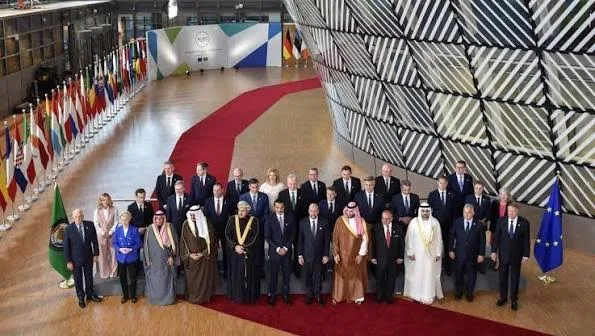
U.S. Secretary of State Marco Rubio, concluding a tour of the Gulf intended to reassure anxious regional partners about the interim agreement, told reporters Thursday that if Iran threatened or obstructed vessels in the strait, “we’re going to have a problem.” In their joint statement, Rubio and the Gulf Cooperation Council called for “free, unconditional and unrestricted navigation” in the Strait of Hormuz without tolls or “attempts to assert control,” adding that lasting peace must also address Iran’s ballistic missiles, drones and support for proxy groups.
Iran’s foreign ministry countered on Friday that the U.S. military presence in the Gulf was the true source of regional instability and division, insisting that management of the strait should fall to Iran and Oman in accordance with the interim pact.
“We warn against the continuation of hostile and interventionist policies in the region,” the ministry said.
Tehran assumed effective control of the waterway after U.S.-Israeli strikes on Iran on February 28 ignited the war, disrupting global oil supplies and shaking energy markets and the broader economy.
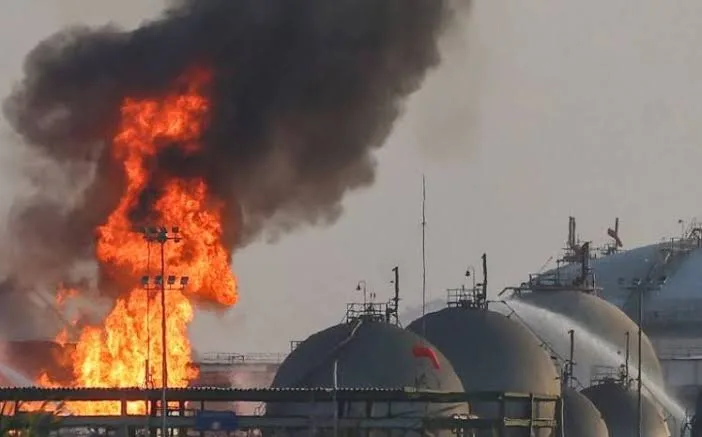
Taiwan’s Evergreen Marine said Friday that its Singapore-flagged vessel Ever Lovely was struck by an “unknown object” near Oman on Thursday while following a route recommended by the British naval agency UKMTO. No injuries were reported, and the ship later continued its passage out of the strait.

