



By Mohamed Fahmy
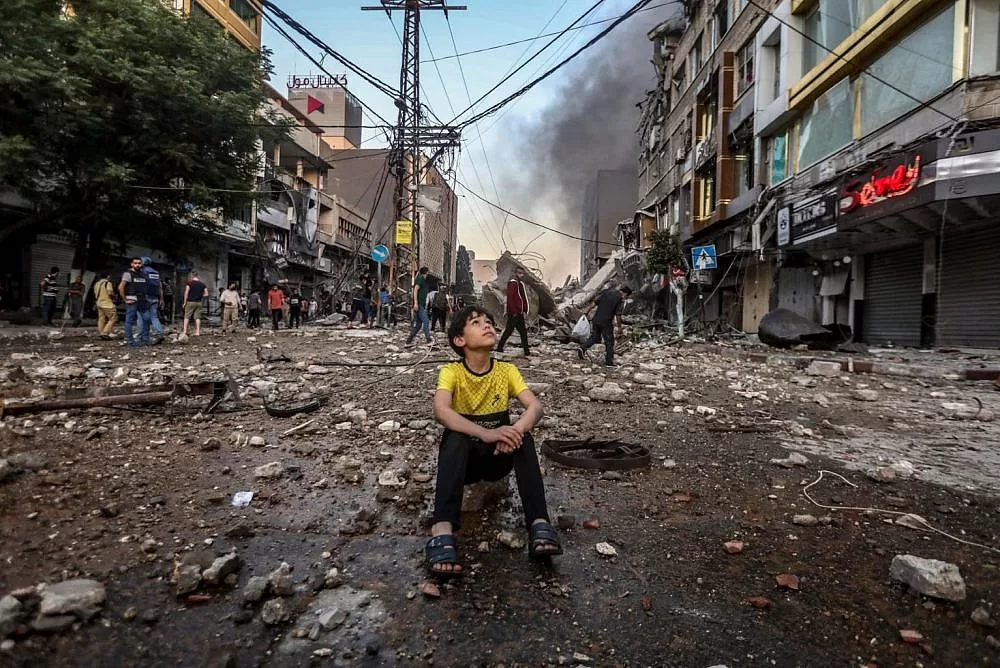
After nearly 21 months of relentless bloodshed in Gaza, there are signs that a new ceasefire agreement can be imminent, a potential turning point in a conflict that has devastated the Palestinian enclave, destabilized the broader region, and ignited global outrage.
International efforts, spearheaded by Egypt, Qatar and the US, have intensified in recent days to finalize an agreement between Israel and Hamas that would bring a temporary halt to hostilities.
US President Donald Trump, who has been instrumental in efforts in this regard, has said that Israel had accepted the proposed terms of the possible deal, with Hamas expected to respond within hours.
The proposed agreement, if finalized, would mark the third ceasefire since the conflict erupted in October 2023, following Hamas’s surprise attack on southern Israel that killed approximately 1,200 people and led to the capture of 251 hostages.
According to sources familiar with the negotiations, the new deal entails:
- The release of Israeli hostages held by Hamas, starting with at least 10 survivors, along with the return of the remains of 18 others
- The release of hundreds of Palestinian prisoners from Israeli jails
- The immediate entry of critical humanitarian aid into Gaza
- A phased withdrawal of Israeli troops from parts of the territory seized during the war
- A 60-day period of negotiations aimed at establishing a permanent cessation of hostilities
The ceasefire also includes international guarantees largely coordinated by the US, Egypt, Qatar, and other regional powers to reassure Hamas that Israel will not unilaterally resume its military operations before meaningful political talks take place.
Several developments have converged to make the current window for a ceasefire more realistic than previous efforts.
Firstly, the brief but intense confrontation between Israel and Iran last month, which ended with a US-brokered ceasefire, weakened Tehran’s position and disrupted its network of regional proxies, including Hamas. This has reduced Hamas’s ability to sustain its resistance campaign in Gaza.
At the same time, Israeli Prime Minister Benjamin Netanyahu finds himself under domestic pressure. Although public confidence in his leadership remains divided, Israel’s limited military success against Iran has slightly bolstered his political standing. A successful deal to secure the return of hostages would resonate positively with Israeli voters ahead of expected elections in October next year.
Moreover, with the Israeli Knesset (parliament) set to adjourn for a three-month summer recess and judicial proceedings against Netanyahu paused during the same period, the prime minister faces a narrow political window to pursue a ceasefire without immediate threats from his far-right coalition partners who fiercely oppose concessions to Hamas.
Opinion polls in Israel suggest significant public support for any deal that returns hostages and reduces military casualties, especially after the loss of 20 Israeli soldiers in Gaza last month.
Hamas, meanwhile, negotiates from a position of acute weakness. The group’s military infrastructure has been decimated, its fighters forced from major strongholds, and its leaders increasingly isolated. Internal divisions have reportedly emerged between hard-line factions determined to continue armed resistance and pragmatists seeking to preserve a political foothold in Gaza, even if a limited one.
While Hamas insists on stronger guarantees that any temporary pause in fighting will lead to permanent arrangements, sources close to the group suggest its leaders are aware they have limited options. Retaining presence in Gaza and avoiding complete military collapse has become their primary objective.
Despite cautious optimism, uncertainties persist.
Israeli officials have signalled that failure to achieve Hamas’ disarmament or the exile of its leadership through negotiations will result in the resumption of military operations.
Some far-right figures within Netanyahu’s coalition continue to advocate for policies that could force mass displacement of Gaza’s population, reflecting a hard-line vision at odds with ceasefire efforts.
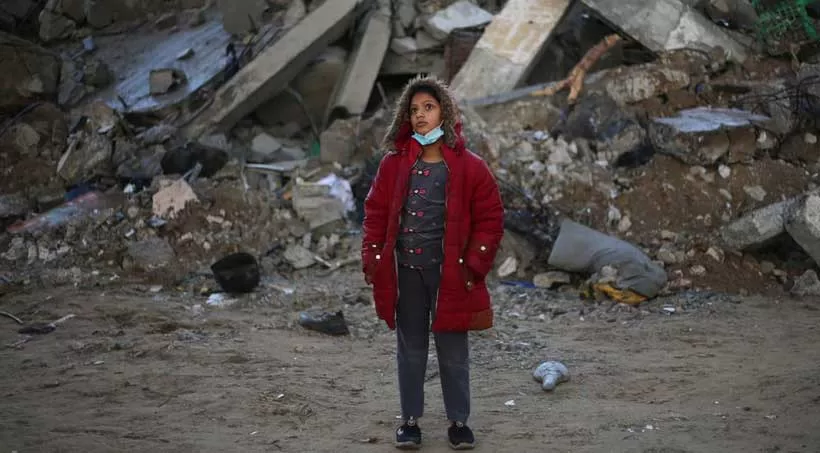
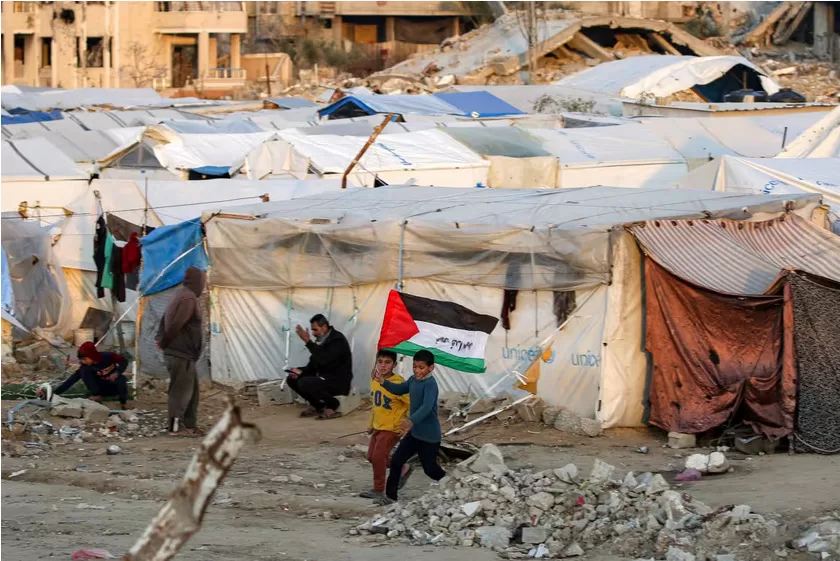
Meanwhile, the humanitarian situation in Gaza remains catastrophic. The Israeli offensive has killed at least 57,000 Palestinians, overwhelmingly civilians, according to Gaza’s Ministry of Health figures considered credible by the UN and many Western governments.
Efforts to deliver aid have been marred by controversy. The Gaza Humanitarian Foundation (GHF), a private entity backed by the US and Israel, has faced allegations of misconduct, including instances where civilians seeking food were injured or killed near aid distribution points. Both the GHF and Israeli authorities deny intentionally harming civilians, though these incidents have fuelled further outrage.
As regional powers, including Egypt and Qatar, intensify diplomatic efforts, all eyes are on Netanyahu’s upcoming visit to Washington for talks with Trump. Analysts suggest this trip could mark a critical juncture for finalizing the deal and determining Gaza’s future trajectory.
For the 2.3 million Palestinians trapped in Gaza, whose suffering has largely been absent from high-level negotiations, the prospect of a ceasefire offers a glimmer of hope, albeit tempered by years of unfulfilled promises and broken truces.
Whether this emerging agreement marks the beginning of a lasting political solution or merely a temporary lull in violence remains to be seen. But for now, the conditions for a ceasefire appear closer than at any other moment since the war began a fragile opportunity the international community cannot afford to squander.

