




Christian holidays offer a renewed opportunity to affirm the prevalence of a culture of tolerance across the Arab world.
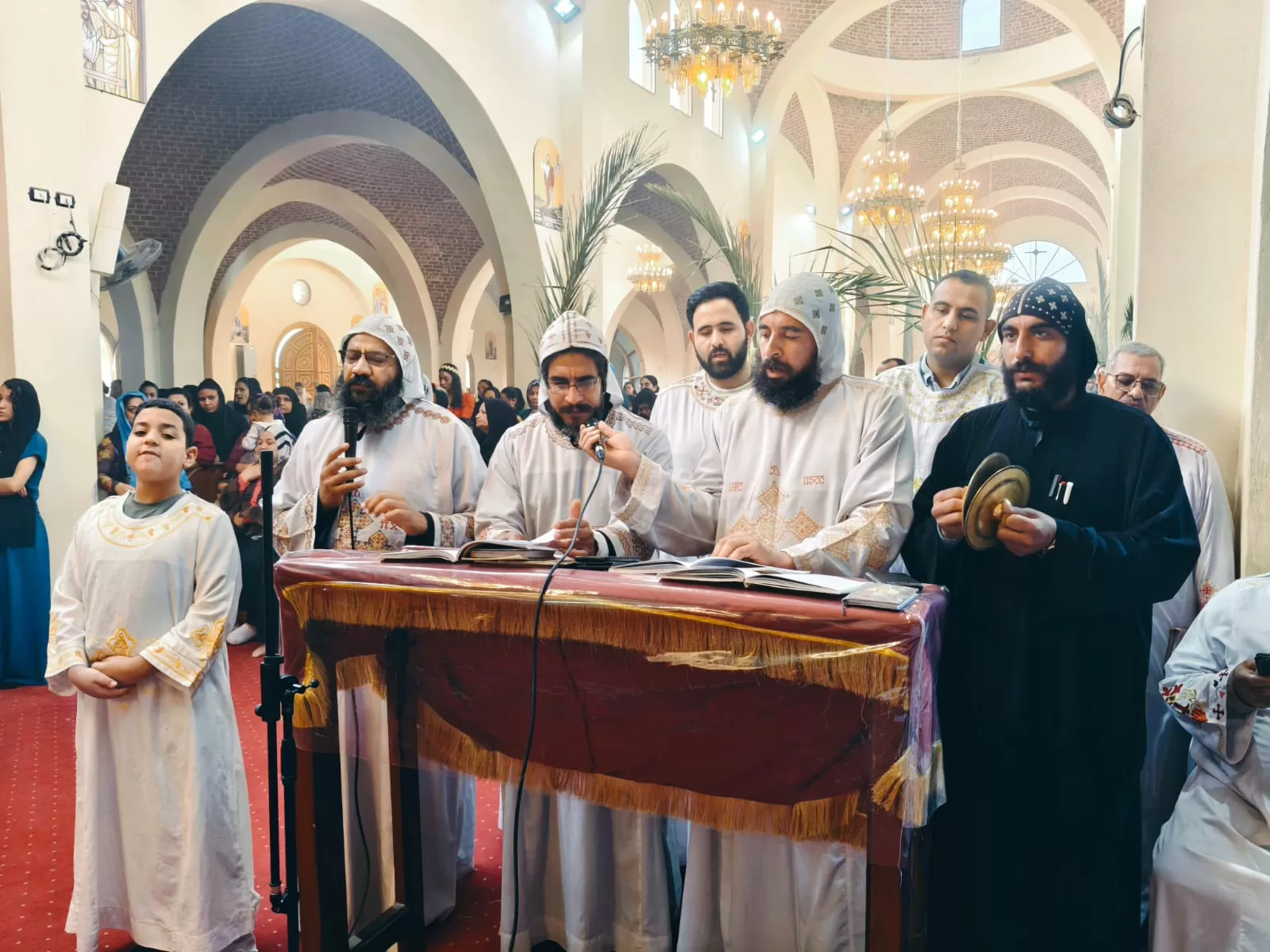
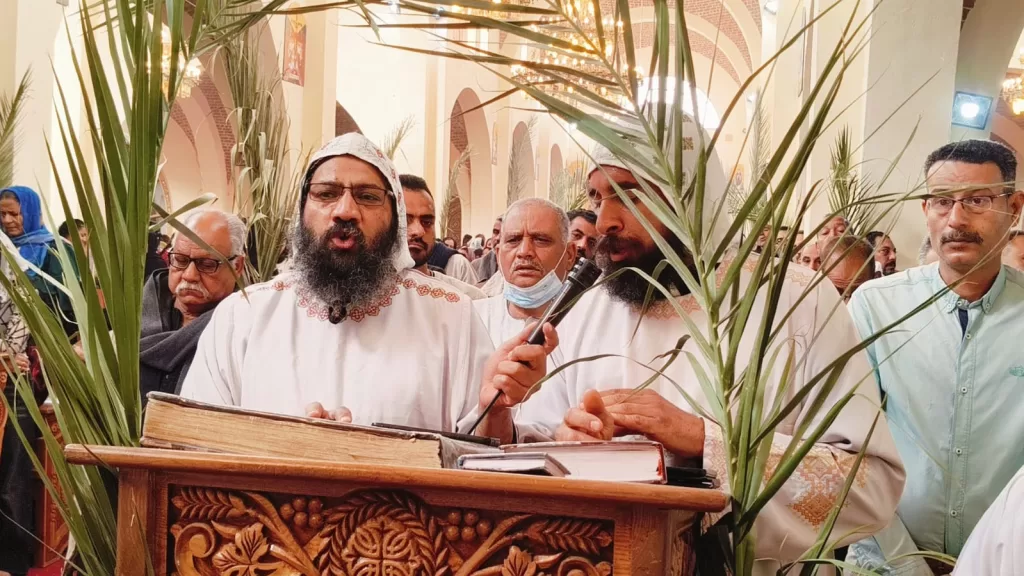
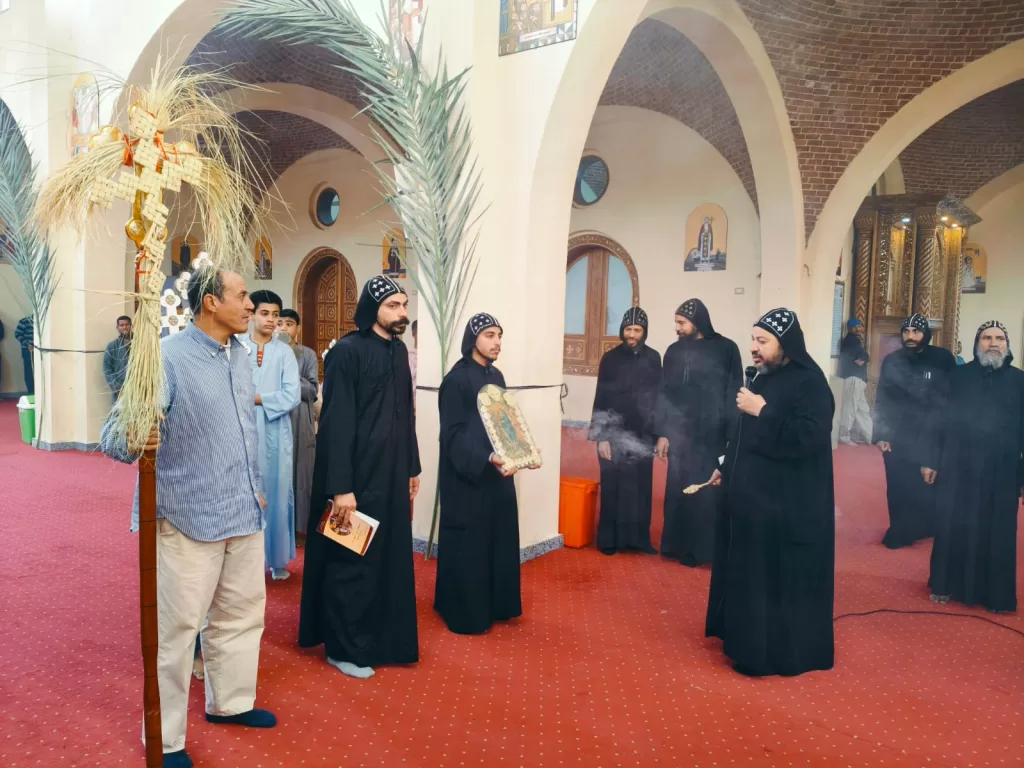
These days, as celebrations of Easter approach, one of the deepest expressions of coexistence in Egypt comes to life. The occasion is not confined to its religious dimension within churches; it extends into a broader societal moment that reflects a unique spirit of participation and mutual respect. The word “Hosanna,” echoed in prayers with its meanings of welcome and peace, transforms in the Egyptian context into a living symbol of national unity, Emotions intertwine, and daily life details overlap between Muslims and Christians, reflecting a long history of shared living.
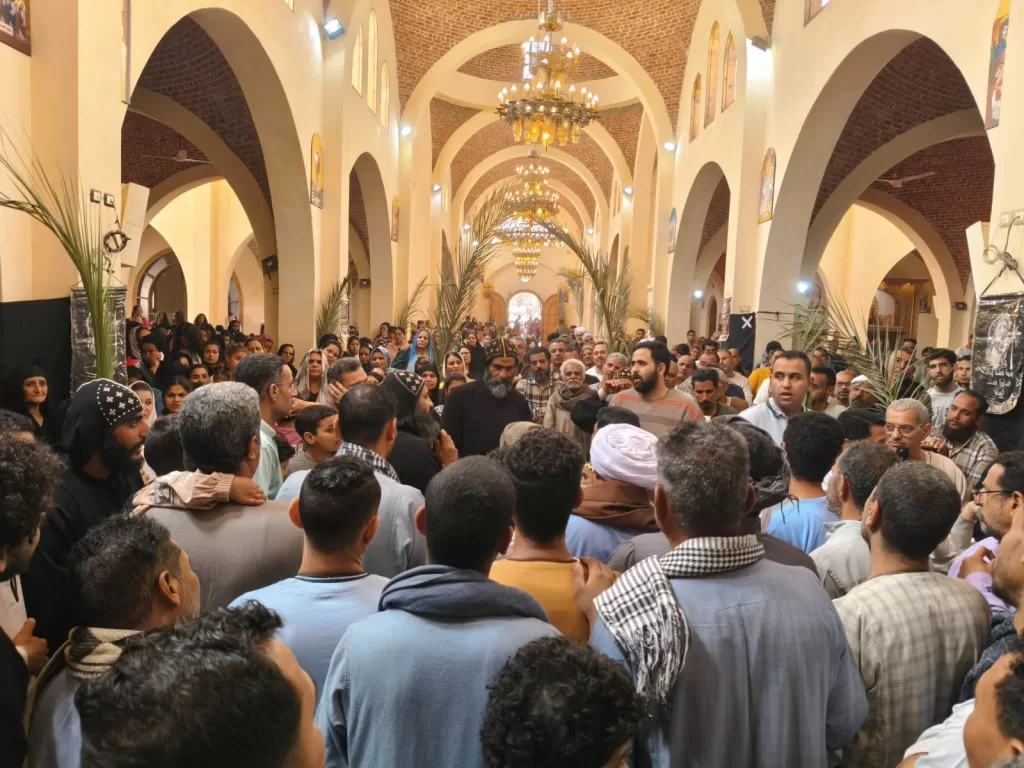
This moment is inseparable from the deeper message of Jesus Christ, founded on love, tolerance, and peace—values that have, throughout history, shaped the essence of both religious and human discourse, The commemoration of his entry into Jerusalem, followed by events culminating in the Resurrection as a symbol of life’s triumph, gives the occasion a human dimension that transcends doctrine. It affirms that peace remains the supreme message uniting people despite their differences. In this context, one of the most profound spiritual meanings in the Gospel is embodied in the verse: “Blessed are the peacemakers, for they shall be called children of God” (Matthew 5:9), underscoring that peacemaking is not merely a moral value but a noble human mission.
In Egypt, coexistence is not limited to occasions; it is deeply rooted in the very fabric of society. Religious holidays and seasons become revealing moments of values that go beyond tolerance—values tied to belonging and a shared national identity.
Dr. Mohamed Anab, Professor of Islamic Archaeology and Architecture at the Faculty of Archaeology, Fayoum University, explains that this meaning of coexistence and tolerance is clearly reflected in historic and architectural landmarks. Foremost among them is the Religious Complex in Old Cairo, where churches, a mosque, and a synagogue stand within the same geographical space.
The area includes the Hanging Church, an ancient Christian landmark; the Ben Ezra Synagogue, one of the most prominent Jewish sites in Egypt; and the Mosque of Amr ibn al-As, the first mosque built in Egypt and Africa. This unique proximity reflects a historical extension of shared living among followers of different religions within a single space, carrying profound civilizational meanings of diversity and tolerance.
Thus, these celebrations appear as an annual renewal of an unwritten social contract, affirming that religious diversity is not a source of division but a component of Egypt’s soft power.
From this societal model, we can move to other Arab experiences, where coexistence takes on different forms shaped by each society’s particular context. In Kirkuk, coexistence emerges culturally through events such as the “Distinguished Monodrama Festival,” where multilingual performances reflect the city’s diversity. Presenting works in Arabic, Turkmen, and Kurdish is not merely artistic variety but a conscious effort to turn difference into dialogue, making theater a tool for understanding and rediscovering the other.
In Lebanon, coexistence appears as a daily social reality. Churches and mosques stand side by side in neighbourhoods and cities such as Hamra and Zeitouna in Beirut, as well as in Saida and Tripoli. This reflects a spatial and cultural overlap where religions coexist within the same urban fabric. Beyond geography, this coexistence extends into daily life, as Muslims and Christians share social occasions, strengthening community bonds and transforming religious difference into a source of diversity rather than division.
The scope expands further to include the institutional dimension, as seen in the United Arab Emirates, which presents a clear model for managing diversity through public policy, This approach has been reaffirmed in official discourse, with the Ministry of Foreign Affairs emphasising that the country hosts communities of various nationalities, including the Iranian community, which is respected and valued as part of the social fabric. The ministry also clarified that circulating claims regarding residency conditions do not reflect reality, stressing that the state’s approach is grounded in the rule of law, ensuring the protection of all residents’ rights without discrimination.This illustrates how coexistence values are translated into practical policies and diplomatic messaging that reinforce stability and openness.
In Morocco, coexistence manifests in its historical and cultural dimension through the preservation of diverse identity components, including Moroccan Jewish heritage, which is safeguarded as an integral part of national memory—an understanding of history as a unifying force rather than a source of division.
In Jordan, coexistence is reflected in a form of societal stability rooted in moderation. Official and religious institutions promote balanced discourse that encourages interfaith dialogue and fosters a culture of acceptance, contributing to a cohesive society capable of facing regional challenges.
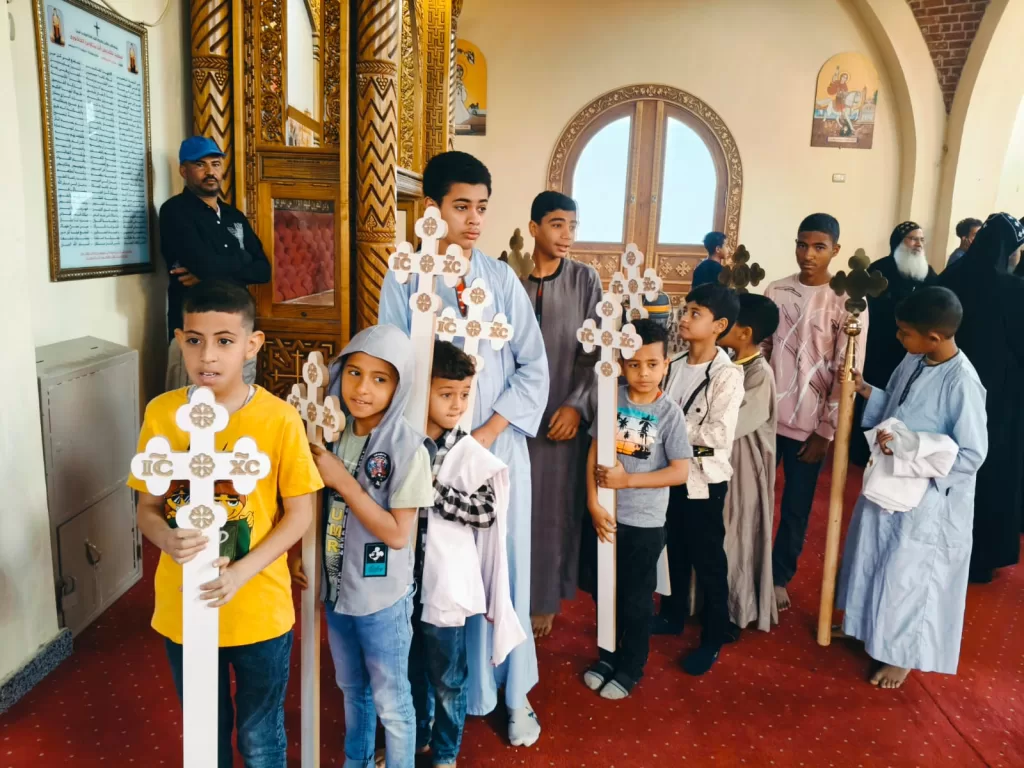
These varied examples reveal that coexistence in the Arab world is no longer a static concept but a multi-layered experience: beginning at the societal level in Egypt, expressed culturally in Kirkuk, institutionalised through policy in the UAE, extended historically in Morocco, and sustained through moderation in Jordan.
Amid growing global tensions, these Arab experiences stand as practical models demonstrating that managing diversity can become a pillar of stability and development. When differences are transformed into spaces of integration, coexistence becomes not only a moral necessity but a strategic choice for shaping a more balanced and humane future—one founded on the peace long advocated by divine messages and shared by humanity at large.
When the values promoted by divine religions become everyday practice, coexistence turns into a lived reality rather than a slogan, and difference becomes a richness that enhances life rather than a cause for division. Love and peace remain the universal language that unites hearts before it unites societies.
