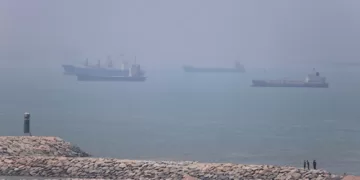
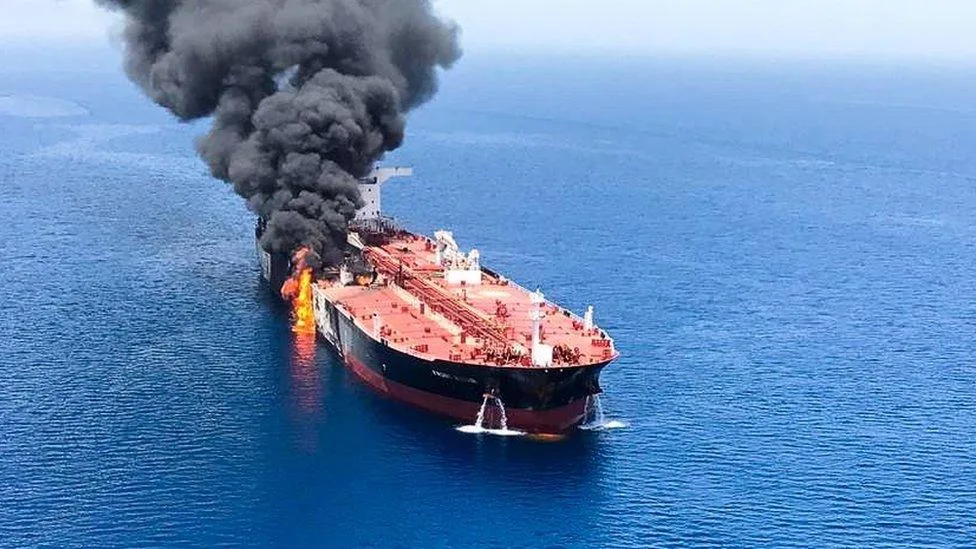




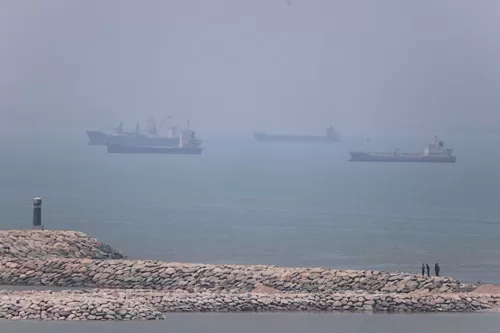
Three Saudi-flagged supertankers carrying 6 million barrels of crude oil sailed through the Strait of Hormuz on Thursday, just hours after US President Donald Trump signed a deal with Iran aimed at ending the war that has roiled global energy markets.
In Lebanon, however, where more than a million people remain displaced, Israeli forces carried out fresh airstrikes on Thursday morning. The attacks have raised questions about how far Trump is willing to pressure his longtime ally to halt an offensive he has now pledged to stop.
Trump and Iranian President Masoud Pezeshkian signed the “memorandum of understanding” early on Thursday, bringing the agreement into effect two days earlier than anticipated.
The deal calls for the immediate reopening of the Strait of Hormuz and the lifting of the U.S. blockade on Iranian ports.
While shipping industry sources say it will take time for traffic to return to pre-war levels—due to the need to ensure safe passage and clear mines—the immediate effects were visible. Vessels that had previously gone dark by switching off transponders were now openly broadcasting their positions as they prepared to transit the strait.
The U.S.-Iran memorandum initiates a 60-day negotiation window to reach a final settlement. Trump launched the war in February alongside Israeli Prime Minister Benjamin Netanyahu.
Israel, which invaded southern Lebanon in March and seized significant territory in its campaign against Hezbollah, was not part of the negotiations.
Iran has long insisted that any peace agreement must address Lebanon. In a notable concession, the memorandum explicitly calls for the “permanent termination” of the war in Lebanon and the preservation of its “territorial integrity and sovereignty.”
Trump has grown increasingly critical in recent days of Israel’s operations in Lebanon, accusing it of destroying entire buildings to target Hezbollah fighters. Israel, however, has made clear it has no plans to withdraw, regardless of the agreement.
On Thursday, it released an updated map showing an expanded “buffer zone” under its control in southern Lebanon.
Although fighting in Lebanon had eased earlier in the week after Trump first announced the deal, it has intensified again. On Thursday morning, the Lebanese state news agency NNA reported three people killed in Israeli airstrikes on the southern towns of Kfartebnit and Zebdine.
In the southern town of Qlailieh near Tyre, some displaced families returned to find their homes reduced to rubble. Resident Abdelkarim al-Dahi likened the endless conflict between Israel and Hezbollah to the cartoon Tom and Jerry: “They don’t stop.”

