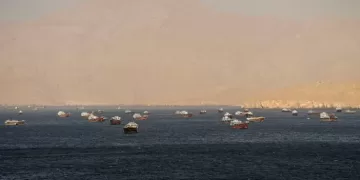




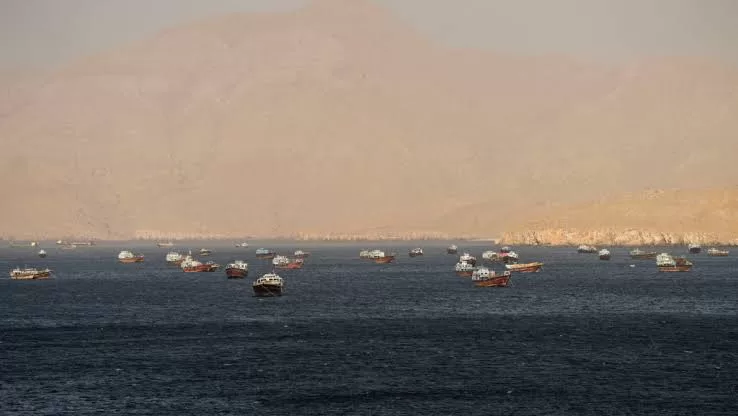
Iran’s publication of a new map asserting its control over the Strait of Hormuz risks extending an already punishing ordeal for thousands of mariners trapped on ships in the Gulf.More than 20,000 sailors are stuck on around 2,000 vessels in the Gulf, many of them unable to leave ship, lacking adequate supplies of food and fresh water, and fearful of an uncertain future at sea in a war zone.
Sailors interviewed by Reuters in recent weeks have described the hardships and anxieties of their experience, and a federation representing them warns of dire conditions.
“The only thing we do here is plan how to spend the night and pray to God that we do not get hit during an attack,” Indian sailor Salman Siddiqui said by phone from his stranded ship last month.
When Reuters travelled on a resupply boat to vessels moored off the Saudi coast this week, sailors on a tanker gathered by the handrail to wave, a rare moment of contact with the outside world.For nearly three months, the sailors trapped in the Gulf have led isolated lives, each with a small group of shipmates, moving between tiny living quarters, communal dining areas and scorching, sun-baked decks.
Tehran closed the strait, a global oil supply route, after US-Israeli attacks on Iran began on February 28.
Thousands of ships were trapped in the Gulf and, with peace negotiations stalled, Iran is doubling down on the effective blockade.
The Persian Gulf Strait Authority, a body Iran has set up to manage requests for passage, published a map on Wednesday reaffirming Tehran’s claims to a wide stretch of water either side of the choke point.

