

The nature of warfare in the Middle East is shifting rapidly, transforming not only the scale of conflict but also the very core of military decision-making.
Fighter jets no longer dominate the skies alone. Instead, “smart” weapons have moved to the forefront.
These systems scan, track, and strike at speeds that often outpace human response, acting in some instances with minimal human intervention.
Consequently, the region has evolved beyond a mere conflict zone into a primary testing ground for the world’s most advanced military technologies.
Early warning from Libya
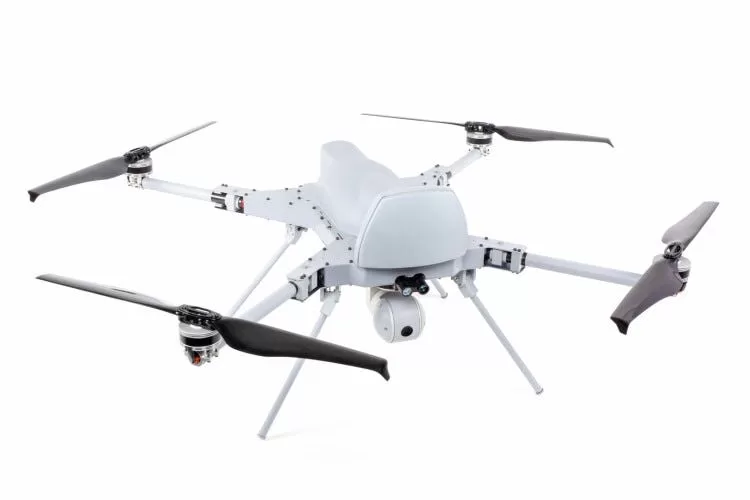
In 2020, a United Nations report documented the use of the Kargu-2 drone during the Libyan conflict.
The system tracked combatants and launched attacks with limited human control, marking what many analysts consider the first real-world instance of a weapon operating with a degree of autonomy.
This milestone signalled a definitive shift towards machine-assisted, and potentially machine-led, warfare.
Speed over certainty
In Gaza, reporting by Time magazine indicates that AI systems are being utilised to generate target lists at an unprecedented pace.
By processing vast quantities of data, including communications, movement patterns, and behavioural indicators, these systems allow military planners to identify targets far more rapidly than ever before.
While this increases operational efficiency, it simultaneously raises grave concerns regarding accuracy, civilian risk, and the erosion of clear accountability.
Gulf strikes
Recent data underscores the intensity and evolving nature of modern conflict in the Gulf.
Between February 28 and March 21, 2026, a total of 1,110 missiles and 3,792 drones were deployed in attacks across the region. According to military expert Major General Ayman Abdel Mohsen.
The distribution of these strikes highlights the growing dominance of unmanned aerial vehicles (UAVs): Saudi Arabia was targeted by 793 drones and 98 missiles; the UAE by 1,748 drones and 356 missiles; Kuwait by 542 drones and 264 missiles; Qatar by 445 drones and 249 missiles; Bahrain by 242 drones and 143 missiles; and Oman by 22 drones.
This trend reflects a broader strategic transformation. Drones now outnumber missiles by a ratio of more than three to one, favouring systems that are more cost-effective, flexible, and easier to deploy.
The result is a form of economic warfare, where low-cost drones often priced in the tens of thousands of dollars, are used to challenge sophisticated defence systems that rely on interceptors worth millions.
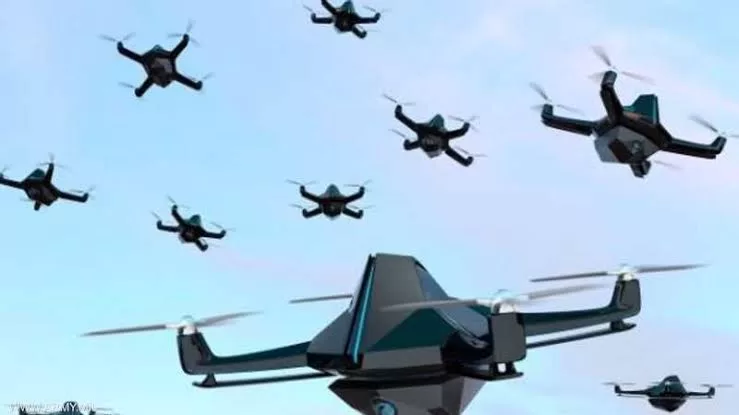
Furthermore, the use of large drone swarms, enhanced by automation and basic AI coordination, increases the likelihood of overwhelming traditional air defences.
Cheap weapons
Systems, such as the Shahed-136, illustrate this shift. These drones are relatively inexpensive, simple to manufacture, and capable of being upgraded with advanced guidance technologies.
Their proliferation signals a change in military doctrine, where success is no longer defined solely by high-end technology, but by the capacity to produce and deploy effective, low-cost systems in bulk.
According to the Stockholm International Peace Research Institute (SIPRI), global military spending has surpassed $2.2 trillion.
A significant portion of these funds is now being directed towards artificial intelligence, autonomous systems, and electronic warfare.
The Middle East is deeply embedded in this global shift, serving as both a theatre of conflict and a proving ground for emerging military doctrines.
Warfare is no longer defined solely by raw firepower, but is increasingly shaped by data, speed, and algorithms.
As weapons evolve from tools into decision-makers within a region already marked by complex tensions, a critical question remains: if machines begin to decide the course of battle, who will be held responsible for the consequences?