




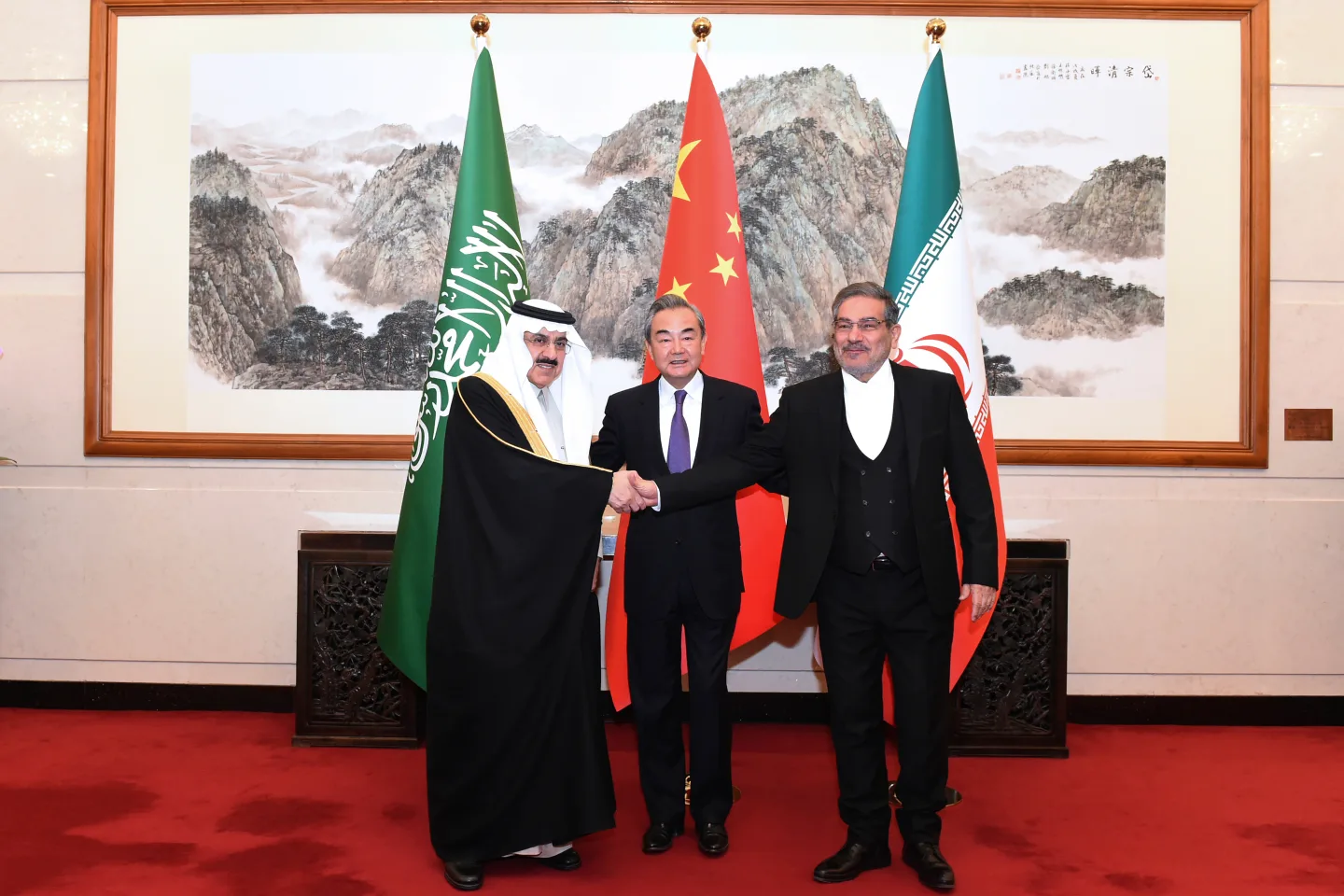
China’s role as an unofficial mediator in the latest war in the Middle East is drawing attention across the world as it seeks to project the image of being a responsible global power while US actions are straining its long-standing alliances.
China’s profile in international diplomacy has risen in recent years, thanks to active efforts from its diplomats.
Long reluctant to get involved in conflicts far from its borders, it has nevertheless emerged as a major player with attempts to mediate conflicts from Southeast Asia to Europe.
With the Iran war, Beijing is not an official mediator, but all parties — including Washington and Tehran — say it has played an important role in trying to de-escalate the conflict.
Experts say Beijing’s strategies for diplomacy in multiple conflicts have looked similar and have had mixed success in influencing negotiations, but the efforts come at an opportune time, as US actions under President Donald Trump have increased tensions with traditional diplomatic allies.
In the Iran war, experts say, China’s close economic and political ties to Tehran put it in a unique position of influence as the conflict hurts the global energy supply, especially in Asia.
Trump has said he believes China helped encourage Iran to negotiate the fragile ceasefire that he has now extended.
Diplomats told AP that Beijing, the biggest purchaser of sanctioned Iranian oil, used its leverage to urge the Iranians back to the negotiating table for historic face-to-face talks in Pakistan earlier this month.
Beijing has not confirmed that account, likely because it does not want to be seen as part of a US-led security framework, said Yaqi Li, a researcher at the S. Rajaratnam School of International Studies at Nanyang Technological University in Singapore.
Still, some saw it as a major moment for Beijing, which has criticised the US’ and Israel’s war against Iran.
After the war began with US-Israeli strikes on Feb. 28, Chinese Foreign Minister Wang Yi spoke with counterparts including Israel, Saudi Arabia, Bahrain and the United Arab Emirates.
As of mid-April, he had 30 phone calls with various parties about the war, according to a tally of his calls from the Ministry of Foreign Affairs.

