


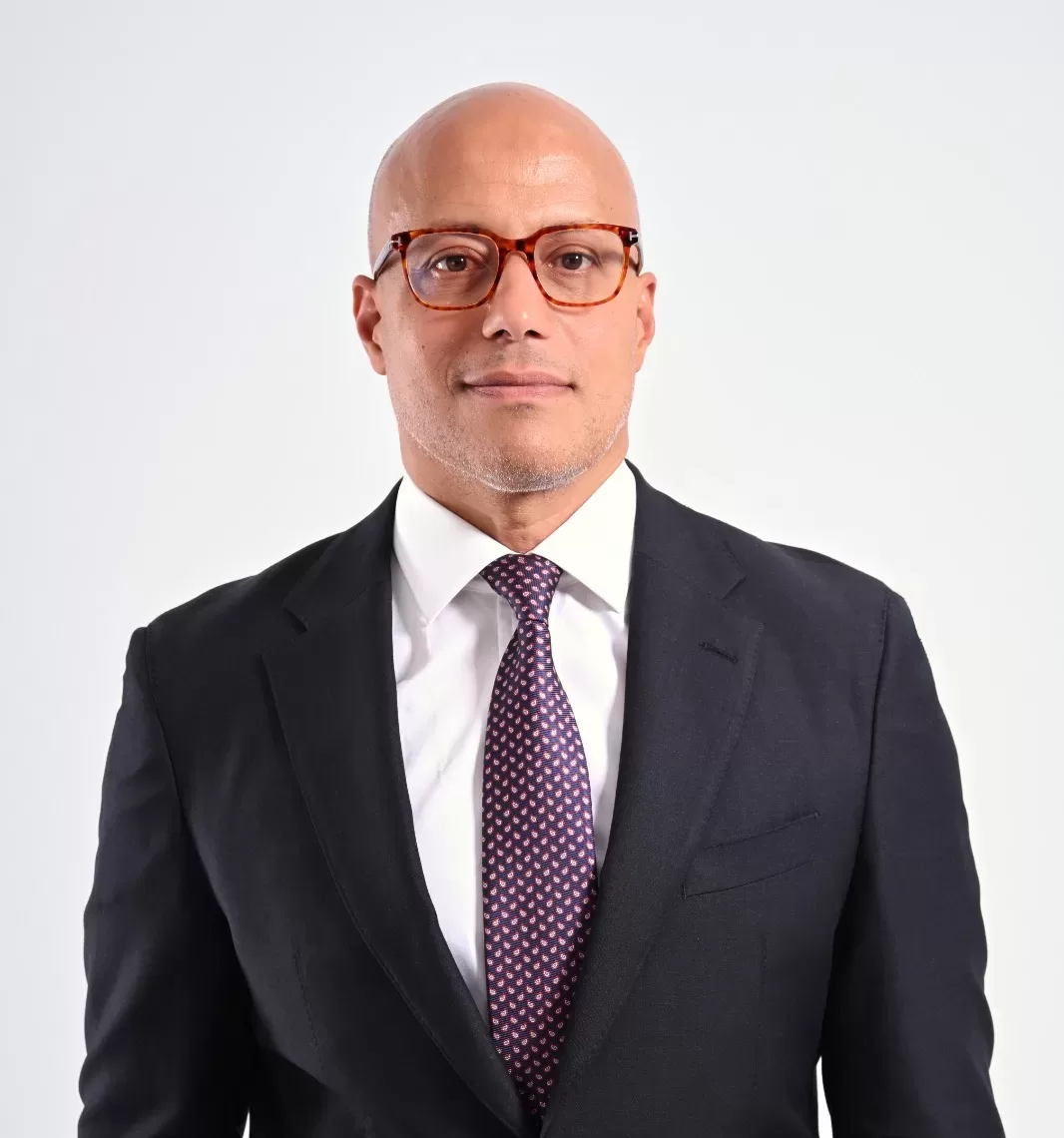
By – Mohamed Abu Gebba
(The Regional Managing Director for Northern Africa at Network International, a leading enabler of digital commerce across the Middle East and Africa)
Over the past few years, we’ve witnessed incredible momentum in Egypt’s digital payment space. From mobile wallets and QR codes to a surge in online commerce, the way we pay and get paid is evolving faster than ever.
This rapid evolution has been significantly supported by the Central Bank of Egypt’s (CBE) proactive efforts to foster a cash-less society and accelerate the adoption of e-payments.
A prime example of this is the recent successful launch of payment card tokenization on mobile applications, including the enablement of Apple Pay as the first phase. This marks a significant stride in encouraging citizens to embrace digital financial transactions, reflecting strong consumer demand for tokenized, contactless experiences.
With the CBE now allowing tokenization for wallet rails, early adoption will be crucial for card portfolio growth in the coming decade.
It’s exciting, it’s promising, and for many of us working in this space, it’s highly relevant. But with every leap forward, we need to ask: How do we keep these new ways of paying secure? How do we build trust that lasts? One of the most powerful answers lies in tokenization.
At its core, tokenization is a simple yet transformative idea. It replaces your actual card number with a secure digital token whenever you transact. That token is unique to the device, the channel, or the merchant and even if it’s intercepted, it’s completely useless on its own. Think of it as your card wearing a digital disguise every time it steps out. It’s the kind of innovation that doesn’t shout for attention but quietly protects millions of transactions every day. In Egypt, where the pace of digital adoption keeps accelerating, this invisible layer of protection is more important than ever.
We have a young, mobile-first population and strong national efforts pushing for financial inclusion. But we also have a responsibility to make sure that the growth of digital payments is not only fast but also safe, inclusive, and built to last. What people often don’t see is that tokenization isn’t just for tap-to-pay or mobile wallets.
It’s foundational for secure e-commerce, in-app purchases, wearables, and even smart devices that make payments for us. Wherever the future of money is headed, tokenization is already part of it. That said, building tokenization at scale is not as simple as switching on a feature. It takes deep technical alignment, strong local partnerships, and a good understanding of how people use digital payments in Egypt.
We can’t copy-paste solutions from other markets and expect them to work here. Our market is unique with different payment schemes, different levels of digital readiness, and different customer behaviors across urban and rural areas. There are also key challenges being worked through locally, where many players in the ecosystem, from issuers to merchants, are still in the early stages of adoption. Awareness among consumers is growing, but not yet where it needs to be. And for smaller fintechs or processors, the cost of integrating tokenization infrastructure can be a barrier.
That’s why the role of the Central Bank of Egypt has been so critical. Its forward-looking approach to innovation, combined with a clear focus on consumer protection, has helped create the right environment for tokenization to take root.
The regulatory support we’ve seen in recent years gives the entire industry a strong foundation to build on and I genuinely believe we’re headed in the right direction. Of course, technology alone isn’t enough. We must think about the entire customer journey.
What happens when a customer changes phones? Or gets a new card? Token lifecycle management is just as important as token activation. A seamless, secure experience depends on us getting all of that right behind the scenes so that for the customer, it just works. Tokenization is no longer optional. It’s the new minimum standard for trust in digital payments. It protects data, reduces fraud, and enables innovation without sacrificing safety. Without it, we’re exposed.
With it, we can build a system that works for everyone, from high-frequency online shoppers to first-time mobile wallet users. Tokenization in Egypt has helped set the tone for better implementation, at scale, with inclusivity and with the kind of local understanding that makes it sustainable.
Sustaining this momentum will lead to more tokenization solutions tailored to diverse operational needs in Egypt – giving financial institutions the flexibility to either hand over full management to an external partner, or directly handle tokenization, including provisioning and token lifecycle management, while benefiting from secure and reliable infrastructure from proven digital payment service providers. Overall, as someone who has worked in this industry for years, I see tokenization not just as a security feature, but as a signal of maturity. It shows we’re not only thinking about innovation, but about resilience. Not just growth, but also trust. And trust, in payments, is everything.

