


The official opening of the Grand Egyptian Museum (GEM) near the Pyramids of Giza is more than a cultural milestone. It is a profound declaration of Egypt’s ambition on the world stage.
This monumental edifice, set to house the complete treasures of Tutankhamun, for the first time, signals a shift in how the world perceives Egypt, not just as the cradle of civilization, but as a reliable, modern, and capable host for the globe’s most prestigious events.
The sheer scale, successful and logistical perfection of the GEM project is a statement that directly instills global trust in Egypt’s ability to manage high-profile international undertakings.
This renewed faith in the nation’s capacity is the key to unlocking the doors for major sporting spectacles like the Olympic Games, the FIFA World Cup, and the Africa Cup of Nations (AFCON).
Egypt is already actively translating this cultural momentum into tangible sporting progress, securing the right to host the 2027 African Games, a crucial step that validates its existing infrastructure and organizational capacity on a continental level.
Yet, the ambition stretches far beyond this. Egypt is now a strong contender for major global events, including a bid for the 2036 Summer Olympics and potential involvement in a joint bid for the 2030 FIFA World Cup.
The men’s national football team’s consistent presence in top continental and global tournaments, including their recent qualification to the 2026 World Cup, keeps the nation’s brand visible.
Even more dominant is Egypt’s nearly total global hegemony in Squash, with Egyptian champions routinely occupying the top spots in the World Rankings, a clear testament to a deeply structured and successful sports development system that rivals any in the world.
This modern focus on sport has deep, foundational roots. A look back at the Ancient Egyptians reveals a society that profoundly valued physical activity.
Tomb reliefs in Saqqara, dating as far back as 2250 BC, depict organized athletic contests, such as wrestling, running, and high jump, proving that sport was integral to their social, religious, and military life.
This connection between a glorious past and a capable present is the ultimate soft power tool.
Crucially, the narrative of competence and stability is further solidified by Egypt’s active role in global and regional diplomacy.
High-level engagements, such as the organization of the Sharm El Sheikh Peace Summit on October 10 and President Abdel Fattah El Sisi’s recent trip to Brussels to meet European leaders demonstrate a stable and globally engaged state.
There is an undeniable principle here: Politics inevitably leads to sporting success. A secure, diplomatically active, and internationally recognized nation is inherently a more attractive and viable choice for global sports bodies like the IOC and FIFA.
The ability to host major political summits, manage security, and coordinate complex international relations proves a fundamental readiness that extends directly to the logistical and security demands of an Olympics or a World Cup.
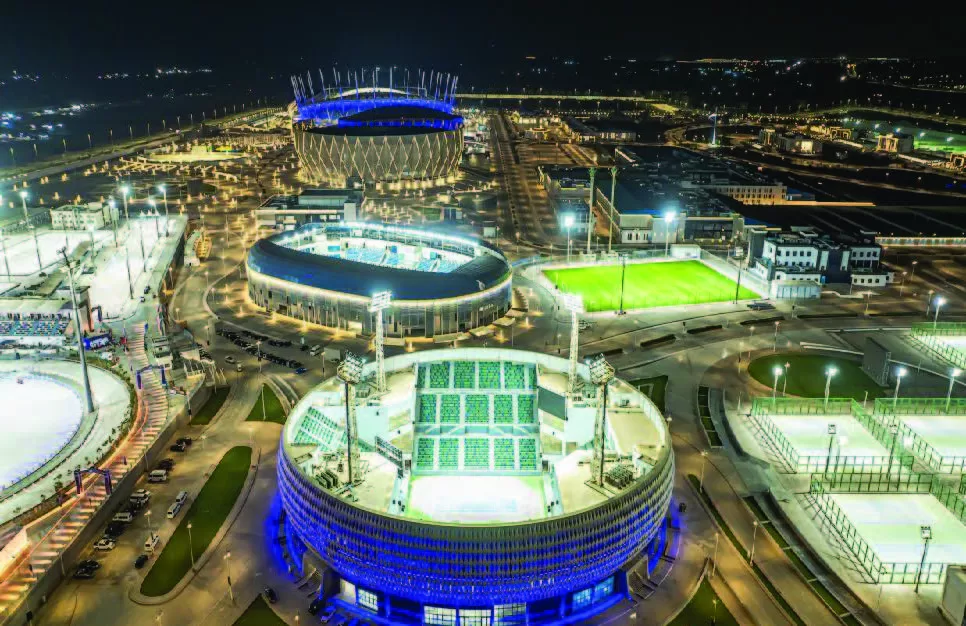
In the light of these grand ambitions, sports in Egypt is undergoing significant paths of reform, with a focus on large-scale infrastructure projects, the professionalization of leagues, and comprehensive talent development programmes.
The same determination and meticulous planning that brought the wonders of the past into the modern halls of the Grand Egyptian Museum are now being channelled to make Egypt a premier destination for the future of global sport.

