



Egyptian karate is on a hot streak, propelled by consistency and a wave of hungry fighters seriously gunning for the top spot.
From Cairo’s training halls to the biggest arenas overseas, these karatekas are leaving their mark every time they step onto the tatami. This surge has cemented the country into a serious contender worldwide.

In recent years, Egypt has dominated Arab and African competitions. It is not just gradual improvement; it is a force built on precise technique and a federation operating with real determination.
That intent was underlined in emphatic fashion when the latest world rankings were released, with four Egyptian karatekas grabbing number one spots in their respective divisions.
Home success
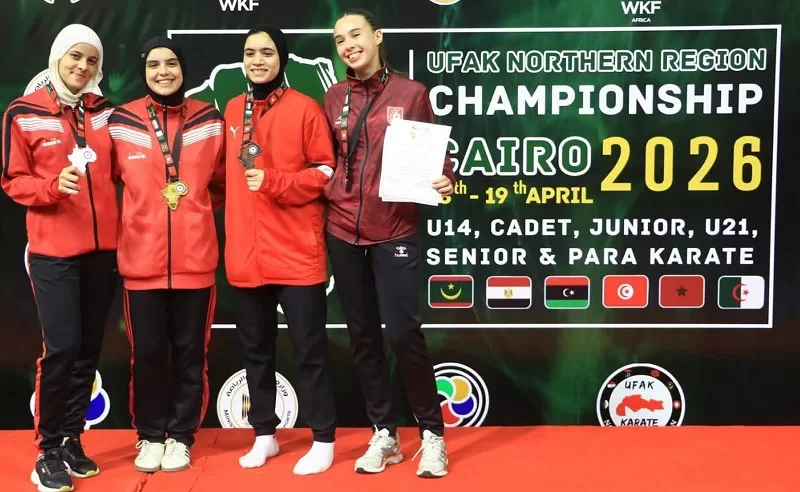
Hosting duties often reveal as much as the competition itself, and Cairo passed that test with flying colours at the 2026 North African Karate Championship at the end of last month.
Six nations, nearly 500 athletes, and a fiercely competitive edge — all handled with the sort of polish that is becoming expected of Egyptian sport.
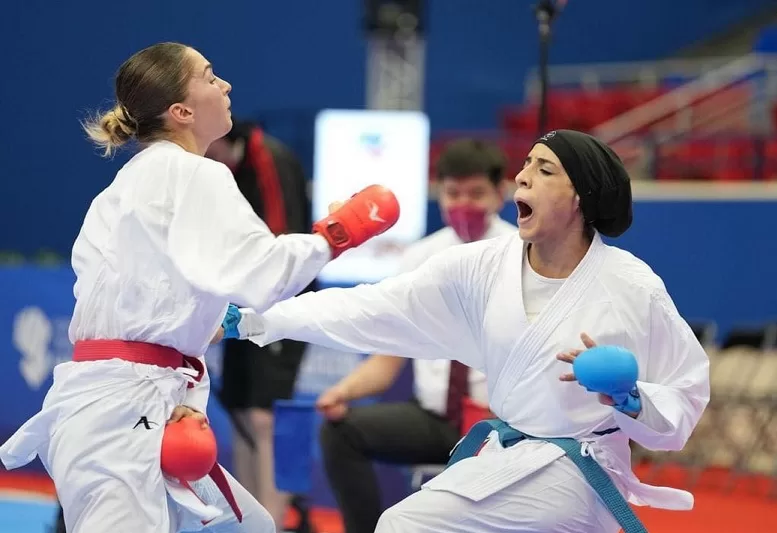
At the heart of it, standout performances told their own story. Maani el-Gazzar powered to gold in the +68kg division, while the trio of Mohamed Tharwat, Yahya Mohamed and Mohamed Ali delivered a masterclass in team kata to secure top honours.
Behind the scenes, the Egyptian federation keeps building trust abroad, thanks to its steady track record and experience.
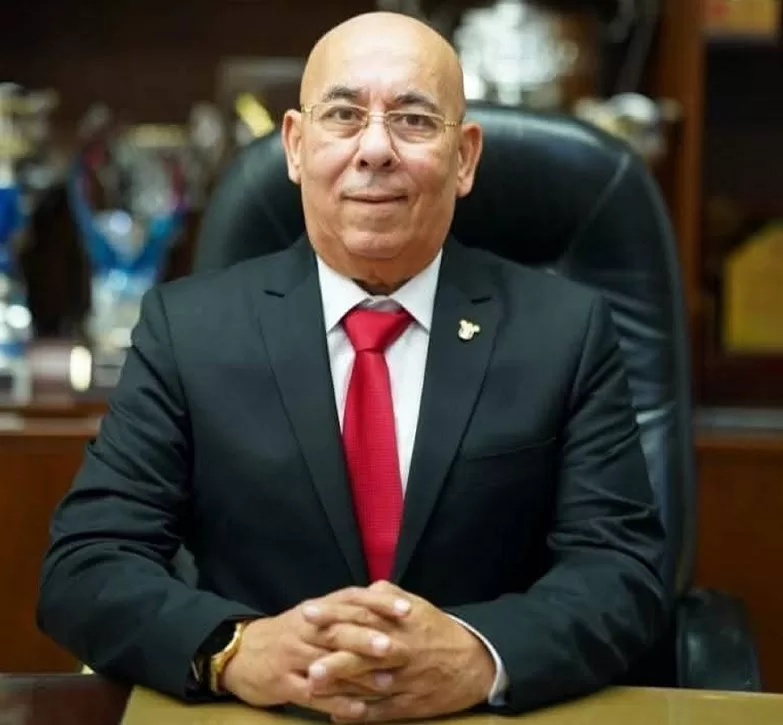
“The championship’s organisational success is a reflection of the Egyptian Federation’s accumulated know-how,” said Mohamed el-Dahrawy, President of the Egyptian Karate Federation, speaking to The Egyptian Gazette.
“It’s that growing experience that’s earning increasing trust from both continental and international governing bodies.”
Ranking reign
Egypt’s grip on the global rankings isn’t accidental — it’s earned.
Abdullah Mamdouh leads the charge in the -75kg division, a karateka whose consistency keeps him firmly among the elite. Youssef Badawi remains the man to beat in the -84kg division, his dominance built on a run of commanding performances.
In the heavyweight categories. Taha Tarek owns the +84kg division. On the women’s side, Ahlam Ibrahim is the name to watch in the -55kg category.
El-Dahrawy — a member of the executive committee of both the international and African federations, as well as president of the North African Federation — explained that this run of success is no coincidence.
He added that it reflects a clear, long-term vision centred on developing new generations capable of competing on the world stage, a strategy that is steadily driving Egypt’s national teams towards the summit of the international rankings.
Beyond mats
Egypt’s influence isn’t confined to medals. The nation recently hosted the World Senior Championships — its first in over three decades — and delivered an edition that was widely praised across the board.

On the mat, history was made. Egypt topped the overall standings for the first time, claiming three golds and a bronze, while also lifting the men’s kumite team World Cup. It was a performance that spoke volumes about the programme’s depth and direction.
World surge
Whether in Rome, Fujairah or Istanbul, Egypt’s presence is being felt.
At the World League in Rome, four medals — two silver, two bronze — highlighted their competitiveness against the very best. Rising stars and established names alike stepped up, with fighters such as Adel Amara and Al-Hassan Awad pushing deep into the brackets.
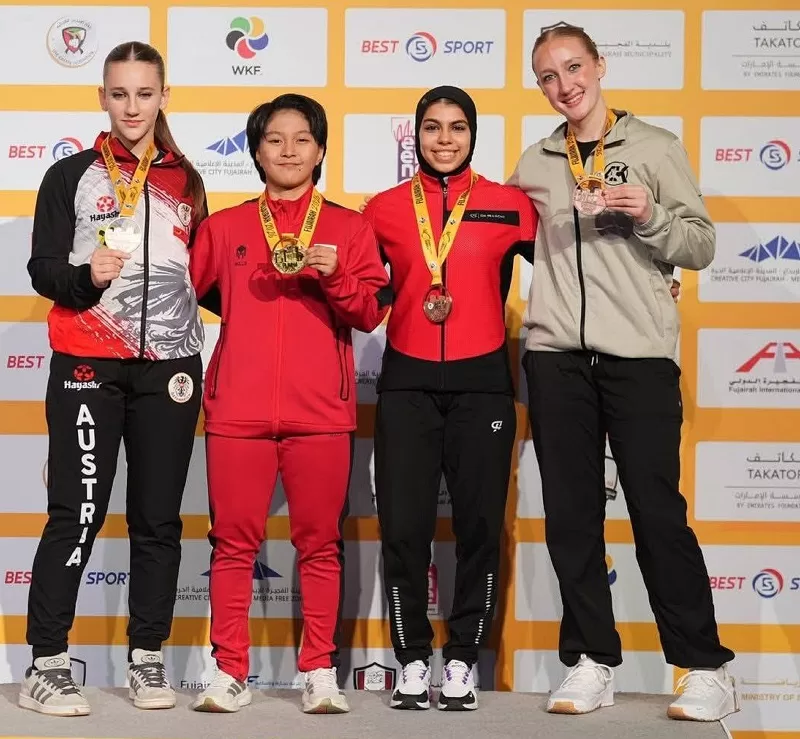
The youth ranks are equally promising. At the World Youth League in Fujairah, Egyptian prospects emerged from a field of nearly 3,000 competitors with medals and momentum, signalling a pipeline that shows no signs of drying up.
And in Istanbul, Egypt topped the Premier League medal table — six medals and a statement victory over the world’s elite.
Total dominance
The success story stretches further still. Egypt’s para-karate athletes have stamped their authority on the global stage, securing top honours at the World Para-Karate Championship.
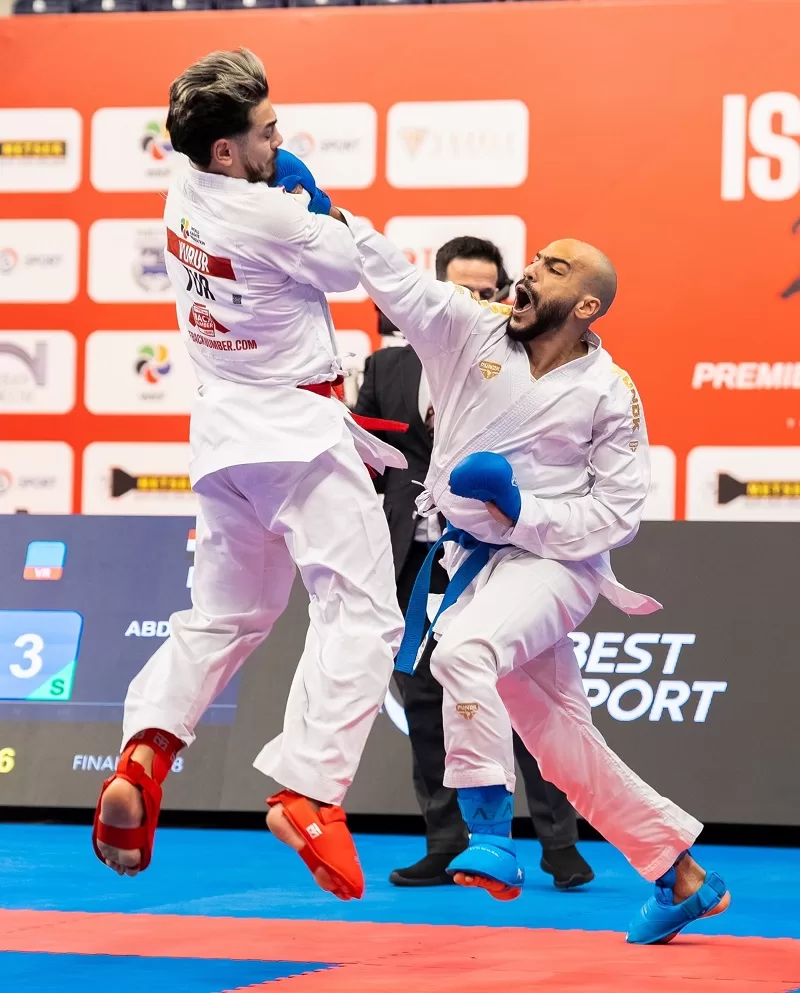
Regionally, the dominance is emphatic. Fifty-one medals at the Arab Championship in Jordan. Thirty-six at the African Championship in Nigeria. The gap between Egypt and the rest is, at present, considerable.
Coming next
There is no room for complacency. There is a packed calendar ahead. The 2026 World Championships in Poland in October and then the World Cup in China in November are looming fast.

Between present success and future ambition, the drive for more is clear. Egypt is pushing ahead, aiming to strengthen its standing worldwide.

