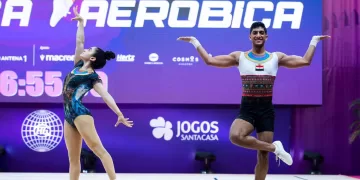






Egypt is set to showcase its sporting ambition by hosting the 2028 Aerobic Gymnastics World Championships, a new chapter for the country’s athletic legacy.
The first of its kind in Africa and the history of local sports, the event is a clear international recognition of growing confidence in Egypt’s ability to host major global events, thanks to its advanced infrastructure and strategic vision that has positioned sports as a soft power of sustainable development.
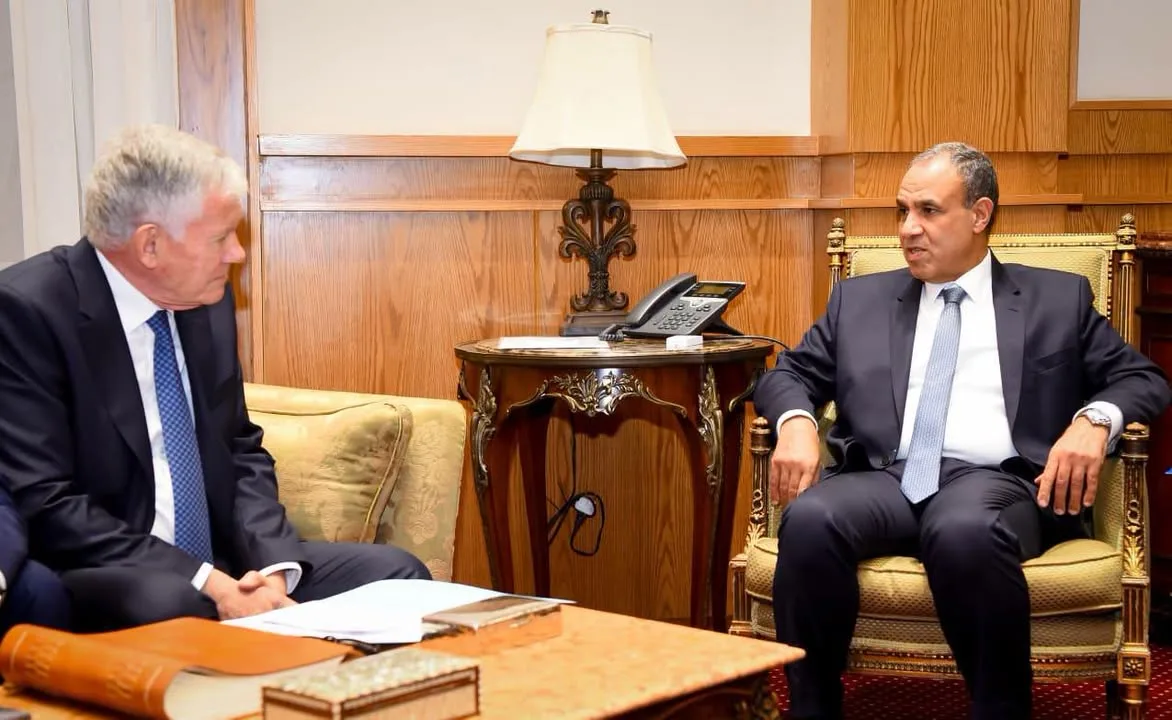
Hosting rights of the championships were secured by a unanimous vote of the International Gymnastics Federation’s Executive Committee, reflecting significant international solidarity and support for the Egyptian bid.
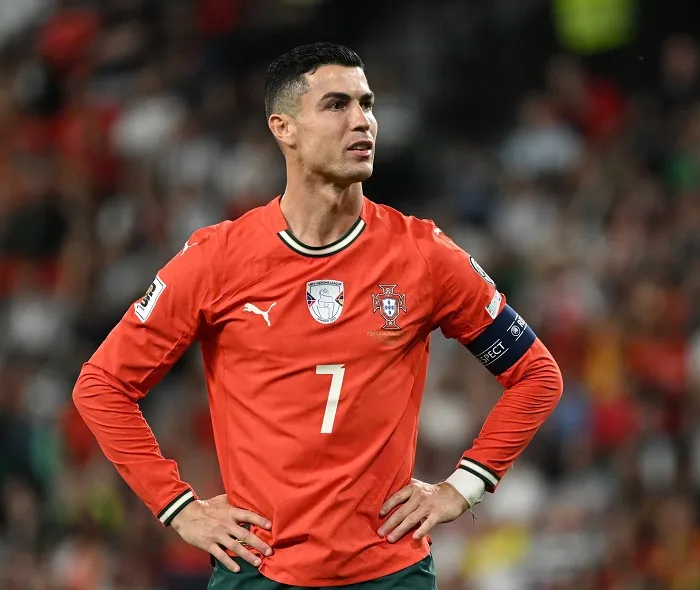
This support was shown when Portugal withdrew its own bid to clear the way for Egypt’s success.
International recognition
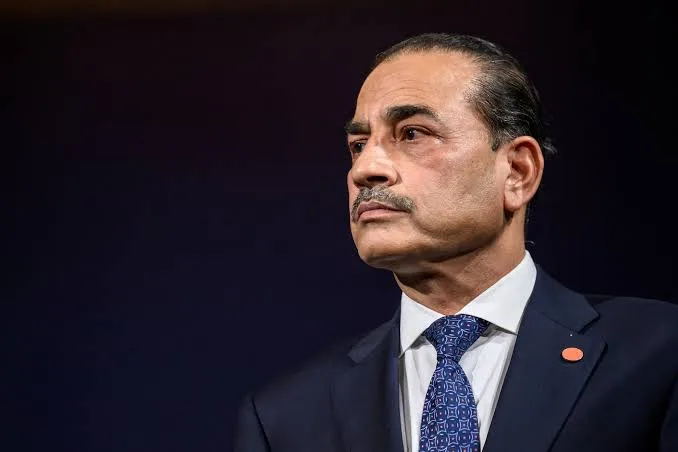
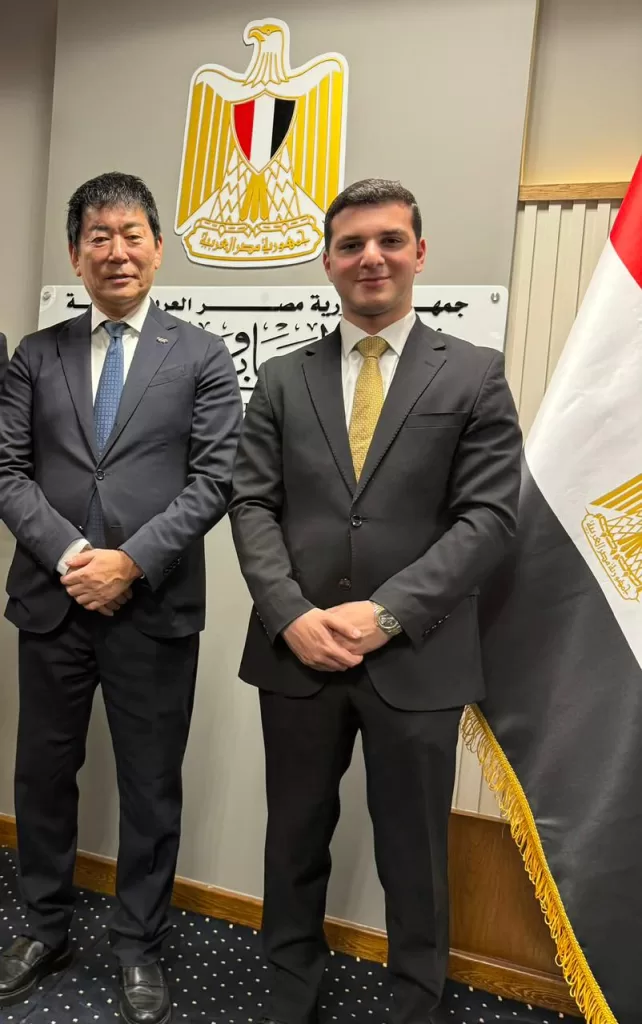
Vice President of the Aerobic Gymnastics Technical Committee of the African Gymnastics Federation Seif Amin said hosting the event is far from coincidental.
“It is the natural culmination of Egypt’s impressive technical growth in the sport over the last few years,” Amin told The Gazette.
He revealed that the international technical committee closely monitors qualitative developments in the level of Egyptian athletes and Egypt’s organizational capabilities.
These capabilities, he said, now rival international Olympic standards.
“The championships will be an ideal platform to showcase young Egyptian talents to the world,” Amin said.
“They are the fruit of years of hard work to develop the technical and administrative systems of gymnastics in Egypt,” he added.
Political vision
During the signing ceremony of the hosting agreement, Minister of Youth and Sports Gohar Nabil described the event’s hosting as a “significant sporting achievement”.

This achievement, he added, recompenses the wise vision of the Egyptian political leadership which has paid special attention to the development of the sports sector over the past decade.
Minister Nabil revealed that Egypt targets more than just technical organization.
“It rather wants to project a civilized image that reflects the security, stability, and comprehensive development it experiences in all fields,” the minister said.
Minister Nabil added that the combined efforts of state institutions and the Egyptian Gymnastics Federation have turned Egypt into a destination for athletes from around the world.
The sports infrastructure built and developed in recent years, he said, now places Egypt among leading countries capable of hosting sports events, regardless of their size.
From zero to 15,000
Amin, the vice president of the Aerobic Gymnastics Technical Committee of the African Gymnastics Federation, showed just how much work has been done to grow the sport in Egypt through some impressive numbers.
The spread of aerobic gymnastics, he said, witnesses a significant and remarkable leap forward.
Just seven years ago, he added, this branch of gymnastics was completely non-existent.
“Today, however, our federation boasts 15,000 officially registered athletes,” Amin said proudly.
According to him, this rapid spread was caused by the nature of the sport, being characterized by its practice ease and need for simple and affordable equipment, compared to other sports.
This has helped Egypt, Amin said, jump in the world rankings, reaching seventh place two years ago.
“This success hasn’t stopped at the rankings,” Amin said. “It also extends to real results.”
Egyptian juniors recently achieved advanced results in the World Cup in Portugal, securing tenth and eleventh places, amid fierce global competition from leading nations in this sport.
Old roots, new dreams
Today, gymnastics is one of the most popular and exciting sports in the Olympic Games, attracting millions of fans worldwide.
The sport’s roots stretch thousands of years back, with young men in ancient armies training in gymnastics to prepare for war and develop their physical abilities.
Throughout human history, people have explored the limits of their bodies, a fact clearly documented by ancient civilizations.
The ancient Egyptians were pioneers in this field, with ancient Egyptian hieroglyphs depicting back arches in backflips with astonishing accuracy, while stone carvings from ancient China portray similar acrobatic movements.
This offers indications that Egypt’s hosting of the championships marks a return of the sport to one of its original homelands.
Around 2,000 athletes from 90 countries are expected to participate in the championships.
Amin said Egypt’s ambitions do not stop atimpressive organization.
“The Egyptian federation has a clear strategy to achieve world and Olympic medals by 2028,” Amin said.
He added that these ambitions are driven by the broad base of sport practice and the presence of new generations of talented athletes trained, using the best scientific methods.
Ready for 2028
Amin revealed that the Cairo International Stadium Indoor Halls Complex remains the designated venue for the event.
He confirmed what he described as “strong” and “continuous” cooperation with the Ministry of Youth and Sports.
“This high level of coordination aims to overcome all logistical and technical obstacles to ensure the success of the tournament,” Amin said.
“It also aims to confirm Egypt’s ability to dazzle the world again in 2028,” he added.
Cairo, he said, would always be the world’s sports capital.

