




The Egyptian sports scene has changed dramatically over the past 13 years, since the June 30 Revolution right up to 2026.
With strong backing from the government, Egypt has built top-quality facilities that have drawn the interest of international sports organizations.
Today, the Arab, African nation has become a favourite destination for major global tournaments.
This sports growth is an important part of the country’s progress, helping build healthier communities, develop young talent, and establish Egypt as a leading sports nation.
During these 13 years of steady work, Egypt has hosted nearly 422 international, continental, and Arab championships.
In those events, Egyptian athletes won an impressive total of 3,430 medals.
The success also carried over to Paralympic sports, where athletes took part in 55 championships and brought home 584 medals.
This strong Paralympic record, achieved by 350 committed athletes, received steady support from President Abdel Fattah El Sisi.
Sports infrastructure
This period of major building has left Egypt with a huge national network of 6,430 youth and sports facilities, run by the Ministry of Youth and Sports.
These include youth centres, sports clubs, medical units, stadiums, and indoor halls.
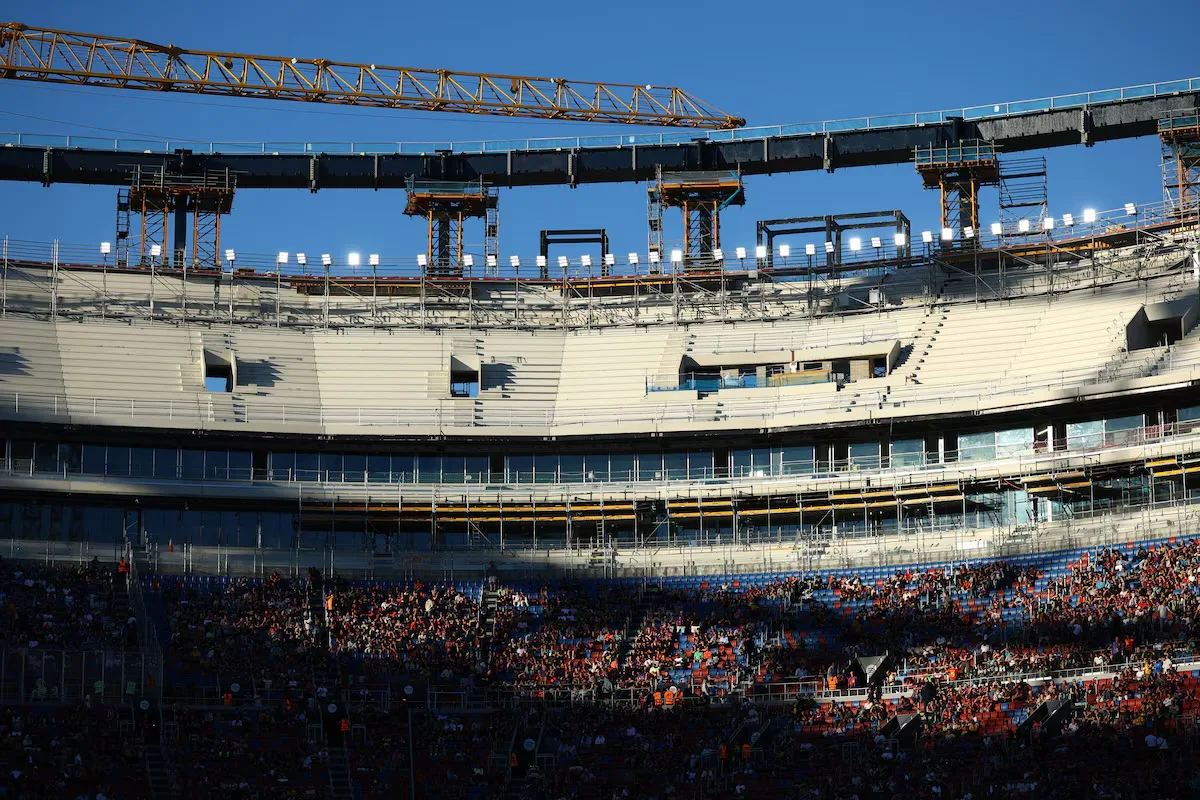
Key achievements include building more than 4,282 football pitches, renovating 14 major stadiums, and developing 12 youth cities.
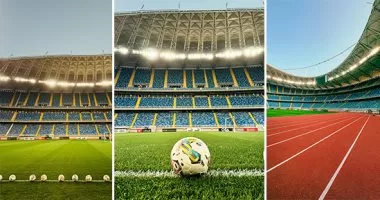
The government also built and upgraded 14 multipurpose indoor halls, including four world-class arenas created for the World Men’s Handball Championship in 6th of October City, Cairo Stadium, Borg El Arab, and the New Administrative Capital.
They established 14 new sports clubs, renovated 30 youth innovation centres, built 191 swimming pools, and created the Nady Al-Nady club chain with locations in October, Sheraton, and the New Administrative Capital.
Smart Olympic cities
A new wave of modern sports complexes has been developed to strengthen Egypt’s place on the world stage.
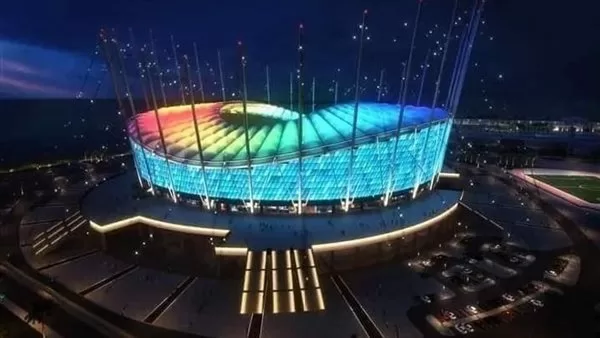
The standout is the Egypt International Olympic City, which covers 468 acres and includes a main stadium with space for 92,000 spectators, two indoor halls, and full facilities for tennis, swimming, squash, shooting, and equestrian sports.
The Sports City in the New Administrative Capital spans 92 acres and features an indoor hall for 7,500 fans, 14 football fields, and various multi-sport areas.
Sports achievements
On the competition side, Egyptian sports have reached historic milestones in both team and individual events.
In football, the national team ended a 28-year wait by qualifying for the 2018 FIFA World Cup in Russia. They qualified again for the 2026 World Cup and earned a memorable win against New Zealand.
At the Paris 2024 Olympics, Egypt’s Ahmed El Gendy made history by winning gold in the men’s modern pentathlon, the first Olympic gold ever for Egypt and Africa in that event.
Globally, Egypt now ranks in the top ten in 11 sports federations and holds the number one spot in four different sports.
This success is backed by strong involvement in sports leadership, with 35 Egyptians currently heading international, continental, and Arab sports federations, plus 39 vice presidents, 24 committee chairs, and 112 committee members around the world.
Economic management, investment
The ministry has changed how it handles investments by partnering with the private sector through the Right of Use system. This brought in around EGP30 billion between 2020 and 2024 without putting any extra strain on the state budget.
In youth centres, 880 projects were carried out across 393 locations nationwide, generating EGP3.8 billion, with 75% of that money going straight back to the centres to support local activities.
Investment projects in sports clubs and bigger facilities across 19 governorates brought in another EGP6.6 billion.
These efforts were supported by better financial access, including the installation of 758 ATMs and the opening of 49 bank branches inside sports facilities.
Discovering talent
Finding and developing talent has been a priority through organized national programmes backed by companies.
The National Project for Motor Talent works with children, starting at age, four to build basic athletic skills and is currently supporting 1,200 young players across different governorates.
At the same time, the National Project for Talent and Olympic Champions trains top athletes in 15 sports, guiding them from junior levels all the way to the Olympics.
Grassroots programmes like “Capitano Egypt” and “Stars of Egypt” run leagues in youth centres and involve over 32,000 players, coaches, and staff each year.
A ten-year community project, worth EGP250 million, was also launched to strengthen the youth, junior, and senior national football teams.
All of this helps keep a steady flow of talent moving forward from Tokyo 2020 through Paris 2024 and on to Los Angeles 2028.
Empowering youth
Broad participation among young people has grown significantly, with the government carrying out over 5,000 projects that created around 130 million opportunities for young men, women, and families.
Between 2018 and 2023, the ministry ran 234 national programmes for children, benefiting nearly 6.1 million kids.
This inclusive approach also helped people with disabilities, especially after 2018 was declared the Year of Disabled Persons by the president.
The years 2024 and 2025 marked important turning points with new laws and continued tournament wins.
In 2024, the state upgraded 3,335 sports fields and expanded its talent programmes.
In 2025, the president approved a new Sports Law with important updates to improve how sports are managed.
That same year, Egypt won the right to host the U-20 Africa Cup of Nations and successfully held the third edition of the international Sports Expo 2025.
Broad continental eminence in 2026
The success continued into 2026 with outstanding results and clear leadership across the continent in several sports.
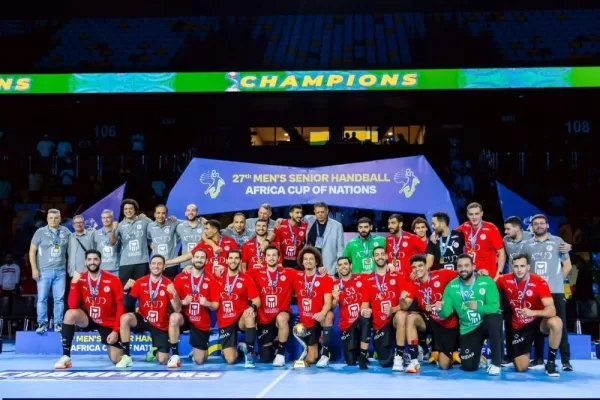
The Egyptian Men’s National Handball Team won the African Men’s Handball Championship for the fourth time in a row, and the tenth time overall, last January.
At the African Swimming Championship in Oran, Algeria, in May 2026, Egypt topped the standings with 49 medals by the end of the third day (15 gold, 17 silver, and 7 bronze).
In February 2026, Egypt hosted the Powerlifting World Cup at the Giza Pyramids and completely dominated, winning a record 270 medals (207 gold, 49 silver, and 14 bronze).
In gymnastics, the rhythmic team won 27 medals, while sweeping the African Championship in May 2026. The men’s artistic gymnastics team also took team gold at the African Championship in Cameroon.
This rich harvest over 13 years shows that the sports revolution that began with the June 30 Revolution is a lasting national strategy.
It secures Egypt’s place on the global stage through 2026 and supports the country’s Vision 2030 development goals.


