

By Mohamed Attia
EHCAAN targets 100 million passengers by 2030
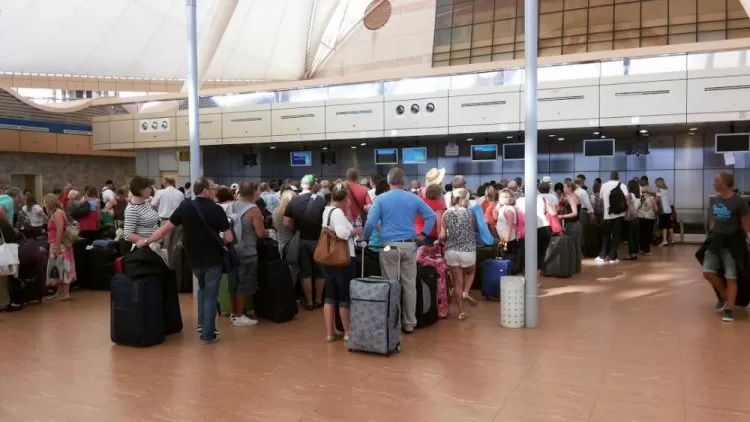
Egyptian airports are currently experiencing a significant boom in growth and development across all levels, marked by historic financial performance and a dedicated push to enhance the overall traveler experience.
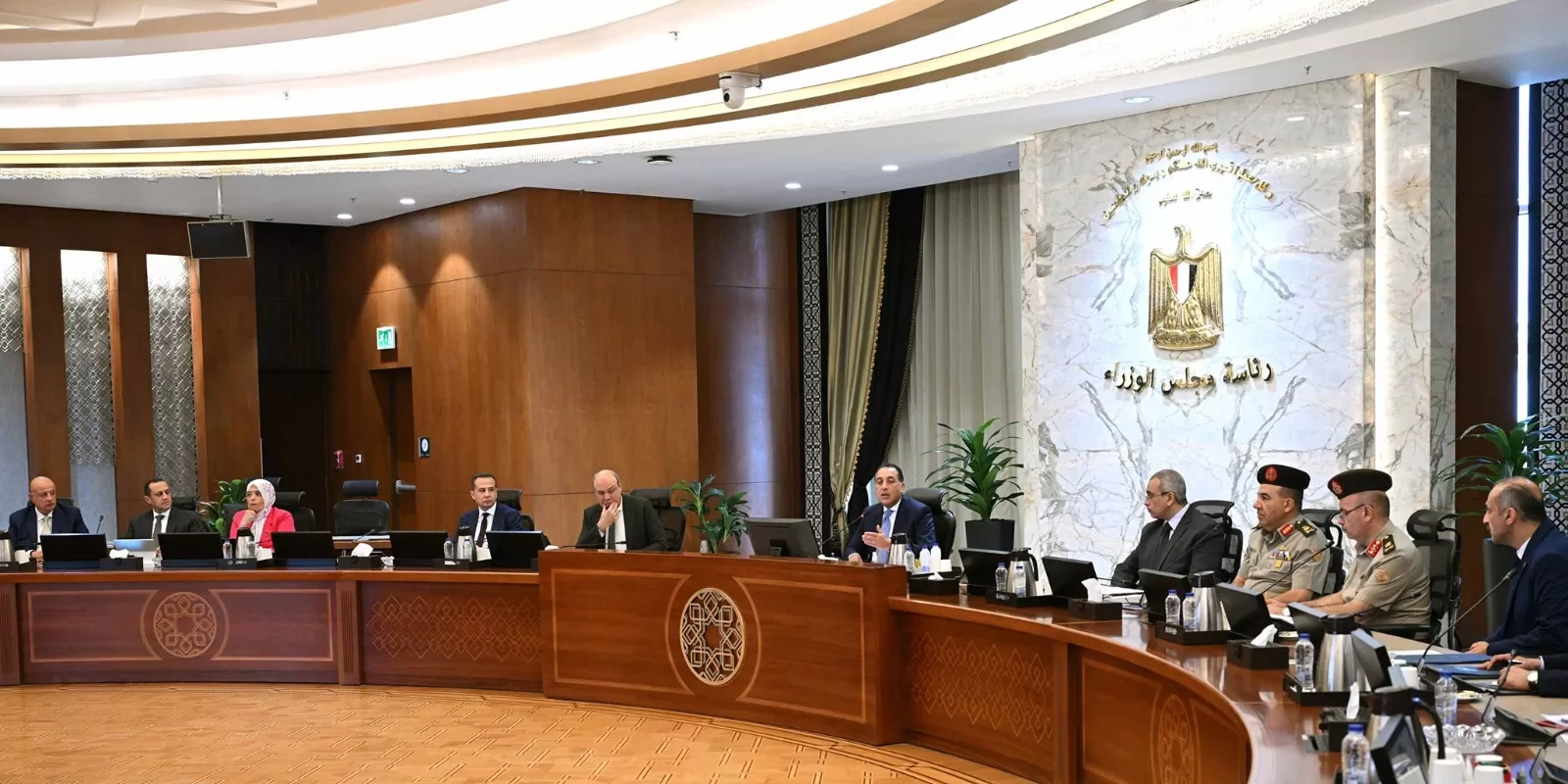
Prime Minister Moustafa Madbouli recently met with Minister of Civil Aviation Sameh el-Hefny and other key officials to follow up on comprehensive support and development plans.
During the meeting, the Prime Minister stressed the critical importance of advancing the Ministry’s plans to upgrade infrastructure, security systems, and operations, noting that the state fully supports these efforts as they facilitate procedures and help create a distinctive experience for all patrons.
The Minister, in turn, presented the strategic steps being taken, focusing on modernising infrastructure, implementing the latest quality and operational standards, and increasing airport capacity to keep pace with the influx of tourism while enhancing regional and international competitiveness.
Financially, the Egyptian Airports Company (EAC) has achieved a qualitative leap in profitability, reporting post-tax financial profits of EGP 10.4 billion this year (2025).
This figure represents a massive 45 per cent increase compared to last year’s EGP 7.2 billion, demonstrating robust financial health.
Operationally, the airports affiliated with the EAC received a total of 17,911,000 passengers in 2025, which is a 15 per cent increase over the 2023 figures.
This surge was especially pronounced at tourist attraction airports, which collectively saw an 18.5 per cent increase in passenger numbers. Looking at individual airports, El Alamein Airport led the growth chart with a staggering 479 per cent increase in activity, while other significant boosts were recorded at Sphinx Airport (467%), Marsa Matrouh Airport (148%), and major hubs like Sharm El Sheikh (35%), Luxor (37%), and Hurghada (32%).
This exceptional growth is attributed to several factors, including increased terminal capacity, the introduction of new operational systems, continuous monitoring and resolution of passenger complaints, and the selection and training of highly qualified personnel.
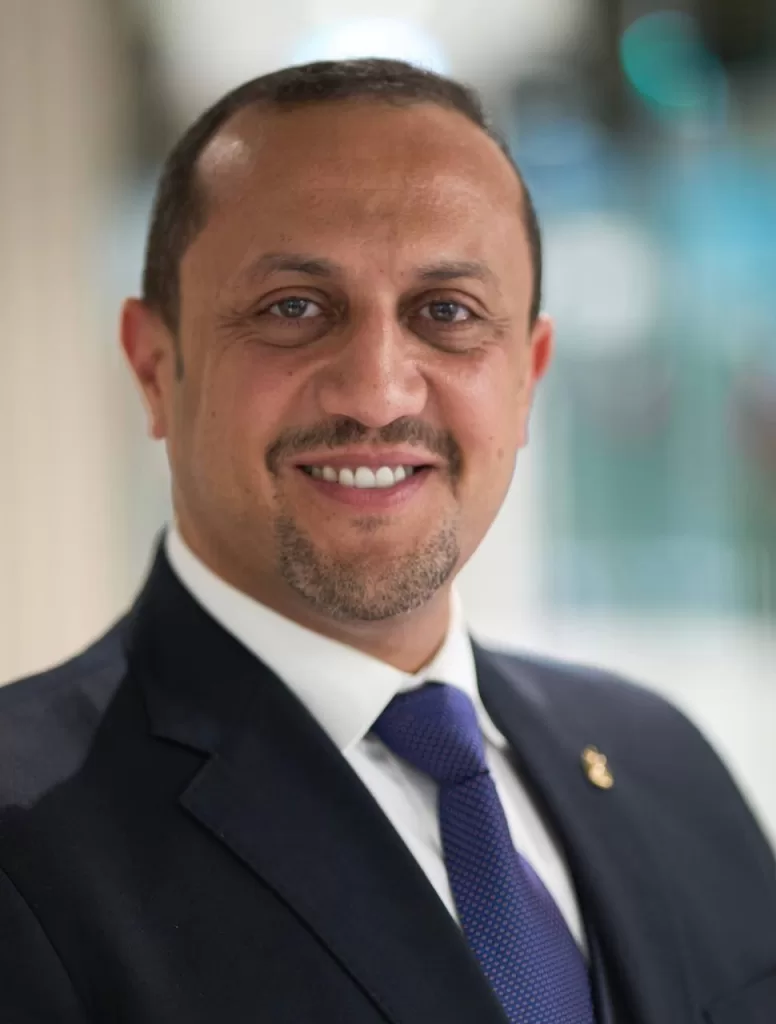
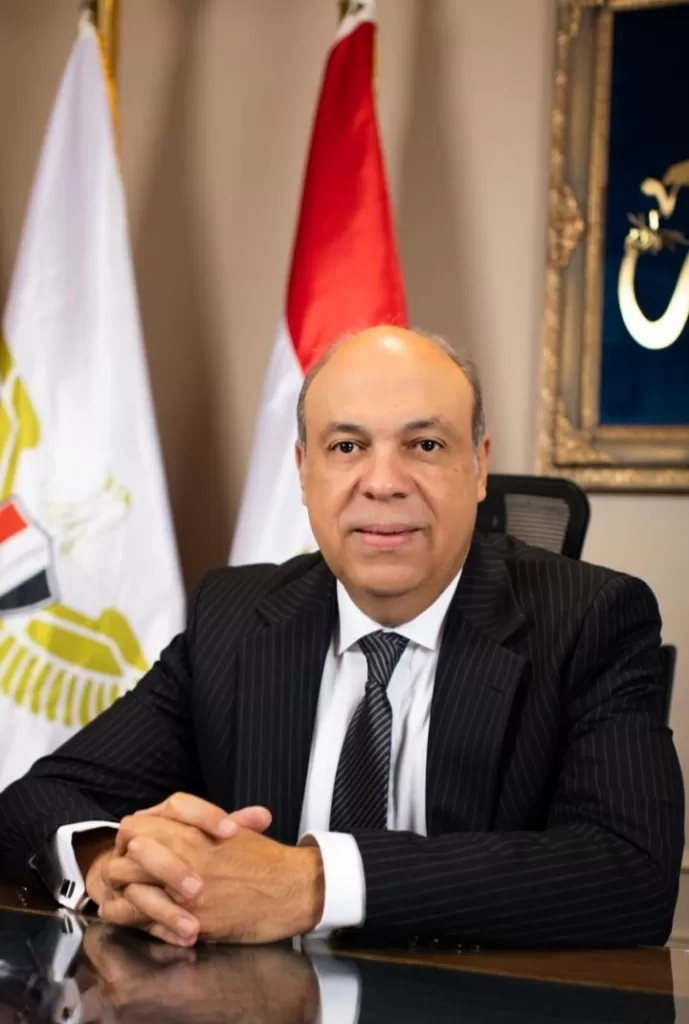
Under the directives of el-Hefny and the leadership of Engineer Ayman Arab, Chairman of the Egyptian Holding Company for Airports and Air Navigation (EHCAAN), Egyptian airports are undergoing a major transformation to meet the highest international standards and prepare for the state’s plan to welcome 30 million tourists annually.
EHCAAN’s vision is to increase the total capacity of Egyptian airports to 100 million passengers annually by 2030, up from the current 66.2 million passengers annually.
This extensive plan relies on improving airport management and air navigation services, ensuring a smooth and enjoyable travel experience, and supporting digital transformation through strategic partnerships.
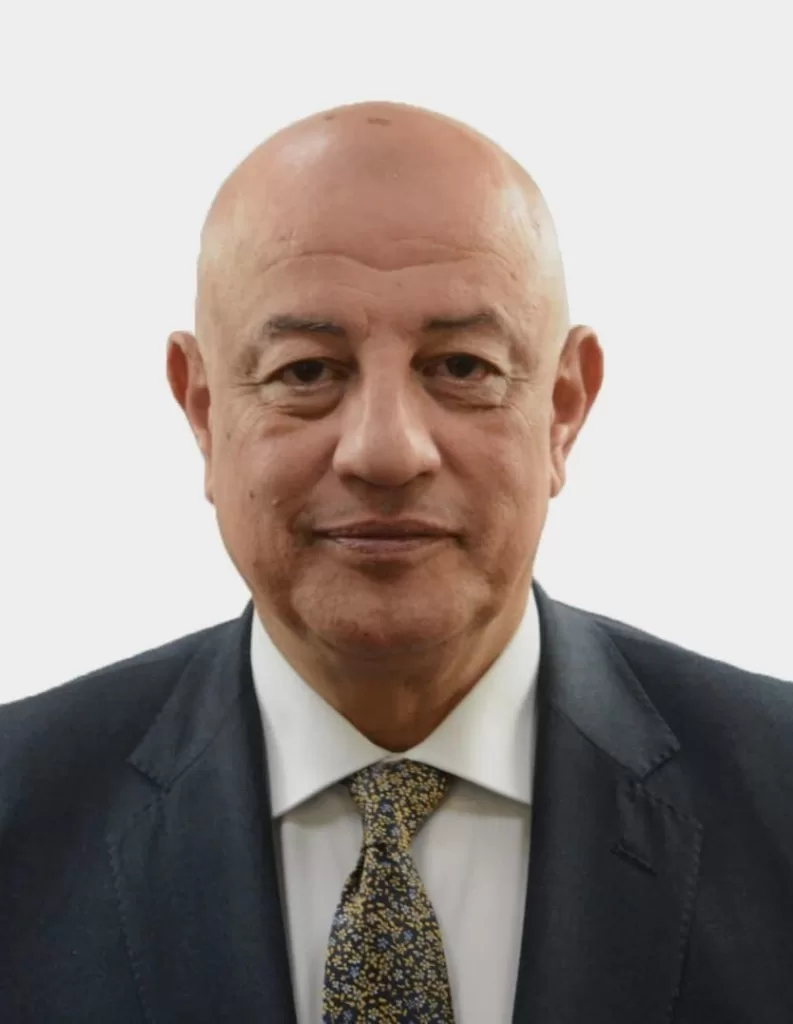
A key element of this is the serious pursuit of strengthened partnerships with the private sector in airport management and operation, which has been evident in the Minister’s recent meetings with major international airport management firms.
Furthermore, EHCAAN seeks to position Egypt as a sustainable, global aviation hub and a centre of excellence in the aviation world, leveraging the Airports Council International’s regional office in Cairo to develop the airport sector across East, Central, and Southern Africa.
The development plan includes several ambitious projects aimed at boosting tourism and regional connectivity.
At Cairo International Airport, the company is keen to establish Terminal 4, an ambitious project expected to be completed within four to five years, which will increase the airport’s capacity to 30 million passengers annually, with the potential to reach 40 million.
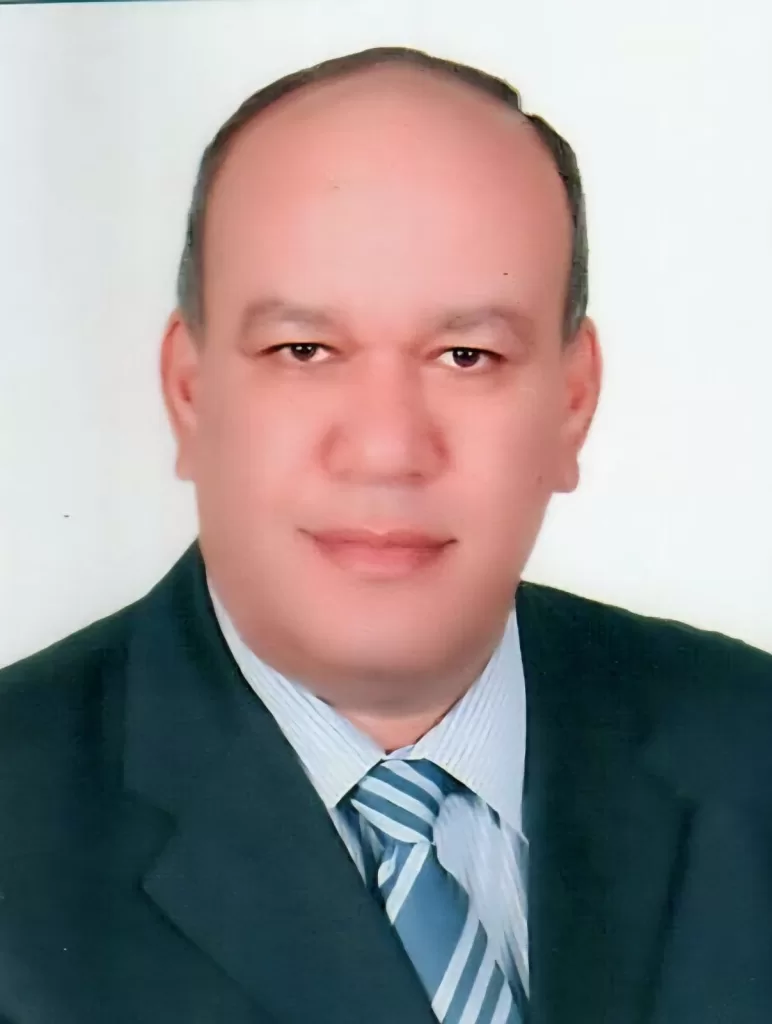
Cairo Airport is already seeing positive results, with September 2025 registering a 15% growth in passenger traffic and a 10% increase in flights compared to the same month in 2024. Furthermore, capacity expansions are planned for several regional airports: Hurghada Airport is set to increase to 20 million passengers after the construction of Terminal 3; El Alamein Airport will increase to 1.5 million passengers, establishing it as a major Mediterranean gateway; Sharm El Sheikh Airport will expand to 10 million passengers; Borg El Arab Airport to 6 million; Luxor Airport to 6 million; Aswan Airport to 2.5 million; and Saint Catherine Airport to 800,000 to promote ecotourism.
These developments collectively reflect a deep commitment to sustainable development and enhancing the overall efficiency and global standing of Egypt’s civil aviation sector.